Kimono Dress Codes: A Guide to Formality and Etiquette
The Language of Silk: Understanding Kimono Etiquette
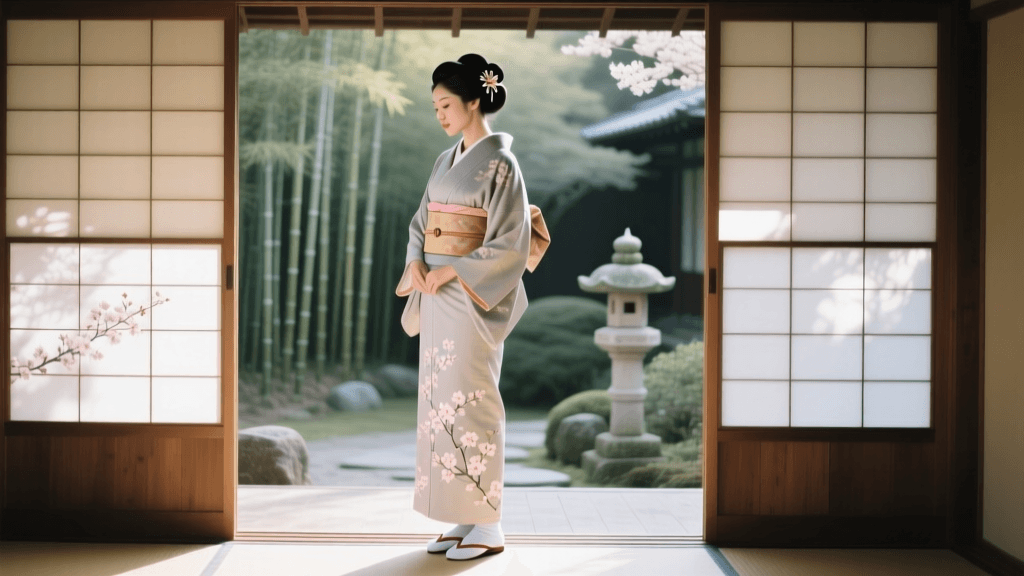
In the realm of traditional Japanese clothing, a kimono is far more than a beautiful garment; it is a complex visual language. Every fold, pattern, color, and accessory communicates the wearer’s age, marital status, and the specific nature of the event they are attending. This intricate system of dress codes is governed by the principle of TPO—Time, Place, and Occasion. Whether you are attending a Shinto wedding, participating in a traditional tea ceremony, or simply strolling through Kyoto in the summer, understanding these rules is essential to showing respect for Japanese culture and heritage.
According to the Victoria and Albert Museum, the evolution of the kimono from the Heian period to the modern era has been deeply intertwined with strict sumptuary laws and social hierarchies. Today, while everyday wear has largely shifted to Western clothing, the kimono remains the undisputed standard for formal and ceremonial occasions. Navigating this hierarchy requires a keen eye for detail and an understanding of the unspoken rules that dictate appropriate attire.
The Hierarchy of Kimono Formality
To master kimono etiquette, one must first understand the garment types. The formality of a kimono is determined by its fabric, the presence and number of family crests (kamon), and the scale of its dyed or woven patterns. Below is a comprehensive guide to the primary kimono types and their appropriate occasions.
| Kimono Type | Formality Level | Target Wearer | Best Occasions |
|---|---|---|---|
| Kurotomesode | Highest Formal | Married Women | Weddings (close relatives) |
| Irotomesode | High Formal | Married/Unmarried | Weddings, Imperial Court events |
| Furisode | High Formal | Unmarried Women | Coming of Age Day, Weddings |
| Homongi | Semi-Formal/Formal | All Women | Wedding guests, Tea ceremonies |
| Tsukesage | Semi-Formal | All Women | Parties, Graduations, Dining |
| Komon | Casual/Everyday | All Women | Shopping, Casual outings |
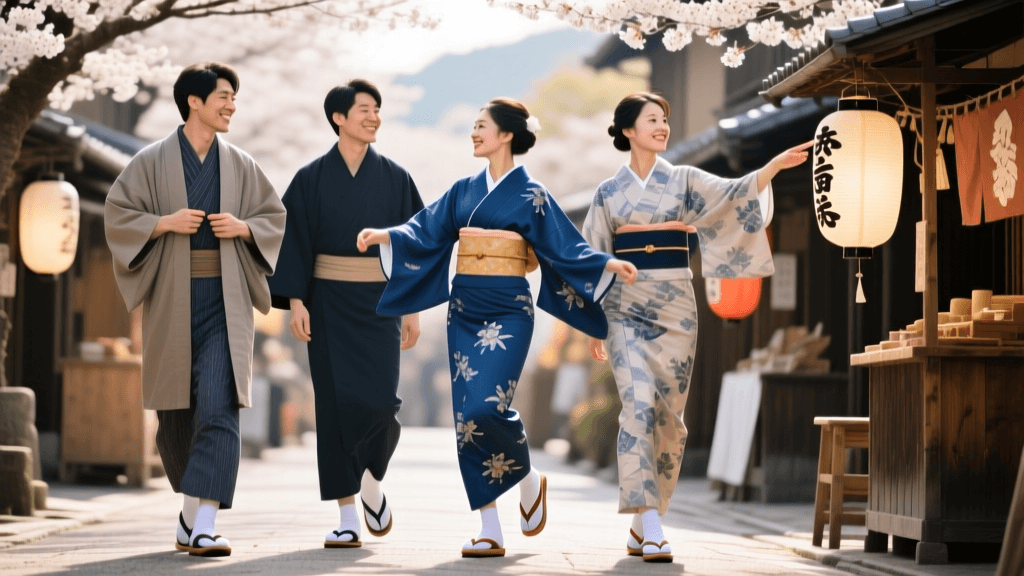
| Yukata | Summer Casual | All | Festivals, Fireworks, Onsen |
As noted by The Metropolitan Museum of Art, the distinction between woven and dyed patterns also plays a crucial role in formality. Generally, dyed patterns (like those on a Homongi) are considered more formal than woven patterns (like those on a Tsumugi silk Komon), though exceptions exist based on the specific weave's prestige.
Wedding Etiquette: What to Wear (and What to Avoid)
Attending a Japanese wedding as a guest requires careful navigation of the dress code. The golden rule is to never upstage the bride. This means avoiding white entirely, as white is strictly reserved for the bride’s shiromuku or iro-uchikake. Furthermore, while the furisode (with its dramatic, floor-sweeping sleeves) is the pinnacle of formal wear for young, unmarried women, wearing one that is excessively flashy or heavily embroidered might be seen as trying to draw attention away from the bride.
For most female wedding guests, the homongi is the safest and most elegant choice. A homongi features an 'eba' pattern, meaning the design flows seamlessly across the seams of the kimono when laid flat. Pair this with a fukuro obi (a formal, brocaded sash) tied in a nijuudaiko (double drum) knot. Men attending weddings should wear a dark, crested montsuki hakama ensemble with a white and silver striped hakama and a white fan tucked into the sash.
Practical Tips for Wedding Guests:
- Footwear: Always wear pristine white tabi socks and formal zori sandals with brocade straps. Never wear geta (wooden clogs) to a formal wedding.
- Accessories: Carry a formal fukusa (silk cloth) to present your monetary gift (goshugi), and use a small, elegant clutch. Avoid large Western-style handbags.
- Cost Expectation: Renting a full homongi wedding guest set in Japan typically costs between ¥10,000 and ¥20,000 ($70–$140 USD), which usually includes dressing services (kitsuke).
Tea Ceremonies: The Art of Subdued Elegance
The Japanese tea ceremony (chanoyu) is rooted in the Zen principles of harmony, respect, purity, and tranquility. The aesthetic is heavily influenced by wabi-sabi—the appreciation of imperfection, simplicity, and rustic elegance. Therefore, wearing a loud, heavily embroidered, or brightly colored kimono to a tea ceremony is considered highly inappropriate, as it distracts from the serene atmosphere and the meticulous beauty of the tea utensils.
Guests should opt for a subdued tsukesage, a high-quality komon (such as edo komon with microscopic stenciled patterns), or a refined silk tsumugi. The colors should be muted and harmonize with the season. For example, soft greens and pinks in spring, or deep indigos and russets in autumn.
Crucial Tea Ceremony Rules:
- No Jewelry: You must remove all rings, bracelets, and watches. Metal jewelry can scratch the priceless, often antique, ceramic tea bowls (chawan).
- Scent: Avoid wearing strong perfumes or scented lotions, as they interfere with the delicate aroma of the matcha and the incense used in the ceremony.
- Seating: You will be sitting in seiza (kneeling) on tatami mats for an extended period. Ensure your kimono is tied securely but not so tightly that it restricts circulation, and wear clean, white tabi.
Funerals and Mourning: The Strict Rules of Mofuku
Mourning attire, known as mofuku, is governed by the strictest rules in Japanese dress. If you are attending a Buddhist or Shinto funeral, the expectation is a plain, unpatterned black kimono with five family crests (itsutsumon). The fabric is typically matte black silk crepe, devoid of any shine or decorative elements.
Every accessory must also be black. This includes the obi, the obijime (sash cord), and the zori sandals. The only exception is the white tabi socks and the white han-eri (half-collar) visible at the neckline. In recent years, Western black mourning dresses have become acceptable for distant acquaintances, but immediate family and close friends are still expected to wear traditional mofuku.
The Obi: The Anchor of Formality
A common misconception is that the kimono alone dictates the formality of the outfit. In reality, the obi (sash) is equally important. A highly formal kimono paired with a casual obi will downgrade the entire ensemble, while a casual kimono paired with a formal obi creates a jarring, unharmonious look.
The obi is the anchor of the kimono ensemble. It dictates the formality and provides the structural support necessary for the elegant drape.
- Maru Obi & Fukuro Obi: These are the most formal, heavily brocaded sashes, often featuring gold and silver threads. They are mandatory for kurotomesode, irotomesode, and furisode.
- Nagoya Obi: Shorter and easier to tie, the Nagoya obi is the standard for semi-formal wear like homongi and tsukesage.
- Hanhaba Obi: A narrow, unlined sash used exclusively for casual cotton or linen yukata. It is never worn with silk formal kimono.
Seasonality: Wearing the Correct Motifs
Another critical, yet often overlooked, aspect of kimono etiquette is seasonality. Traditional Japanese aesthetics demand that clothing reflects the current or slightly upcoming season. Wearing a kimono adorned with cherry blossoms (sakura) in the autumn, or maple leaves (momiji) in the spring, is considered a major faux pas.
- Spring (March - May): Motifs include cherry blossoms, wisteria, peonies, and butterflies. Colors are soft pastels like pale pink, mint green, and light yellow.
- Summer (June - August): Motifs feature water, fans, morning glories, and fireflies. Fabrics shift to breathable, unlined silk (hitoe) or sheer gauze (ro and sha) to combat the intense humidity.
- Autumn (September - November): Motifs include maple leaves, chrysanthemums, bellflowers, and the harvest moon. Colors deepen into rich burgundies, golds, and burnt oranges.
- Winter (December - February): Motifs feature pine, bamboo, plum blossoms (the 'Three Friends of Winter'), and snowflakes. Colors are deep and grounding, such as navy, forest green, and plum.
Adhering to these seasonal rules demonstrates a deep appreciation for nature and the passage of time, core tenets of Japanese philosophy.
Practical Advice: Renting, Buying, and Dressing Services
For international visitors or those new to the culture, acquiring a full, formal kimono wardrobe is impractical. A high-quality, authentic silk homongi can cost anywhere from $800 to over $3,000 USD, not including the obi, undergarments (juban), and accessories.
Renting: Rental shops are abundant in cities like Kyoto, Tokyo, and Kanazawa. A standard tourist rental (usually a casual komon or yukata) costs around ¥3,000 to ¥5,000 ($20–$35 USD). However, for formal events like weddings or tea ceremonies, you must seek out specialized kitsuke (dressing) salons. These salons provide high-end formal wear and professional dressing services for approximately ¥15,000 to ¥30,000 ($100–$200 USD).
Dressing Services (Kitsuke): Tying a formal obi requires specialized training. If you own your kimono but cannot dress yourself, you can book a kitsuke appointment at a local beauty salon or kimono school. This service typically costs between ¥5,000 and ¥10,000 ($35–$70 USD) and takes about 45 minutes to an hour. Always book well in advance, especially during peak seasons like cherry blossom season or the November autumn foliage period.
Conclusion
Mastering kimono etiquette is a lifelong journey, deeply rewarding for those who take the time to understand the cultural nuances behind the garments. By respecting the TPO rules, choosing the appropriate level of formality, and paying close attention to accessories, you honor the artisans who weave the silk and the centuries of tradition that the kimono represents. Whether you are sipping matcha in a quiet Kyoto tearoom or celebrating a joyous wedding, dressing correctly ensures you participate in these beautiful Asian traditions with grace, respect, and confidence.