Japanese Festival Costumes: Happi, Yukata, and Tabi
The Heart of Matsuri: Understanding Japanese Festival Attire
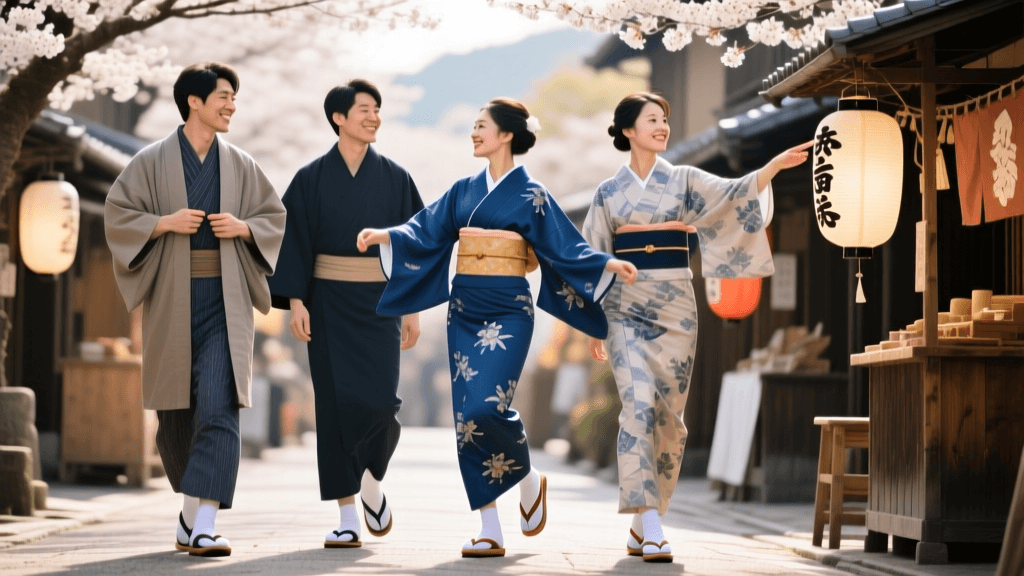
Japanese festivals, known as matsuri, and traditional summer dances like Bon Odori, Awa Odori, and Yosakoi, are not merely spectator events. They are deeply participatory cultural performances where the community comes together to honor ancestors, celebrate the harvest, or pray for good health. According to the Japan National Tourism Organization (JNTO), participating in these festivals often requires specific traditional garments that allow for vigorous movement while maintaining historical aesthetics. Whether you are preparing to join a local neighborhood dance circle or attending a major summer matsuri as a performer, understanding the mechanics, history, and practicalities of Japanese festival costumes is essential for an authentic and comfortable experience.
The Happi Coat: The Ultimate Festival Uniform
The happi (法被) is arguably the most iconic piece of Japanese festival clothing. Originally worn by samurai and household guards during the Edo period to display family or clan crests, the happi eventually evolved into the standard uniform for festival participants, merchants, and artisans. Today, it is the quintessential garment for energetic performances like the Mikoshi (portable shrine) processions and Yosakoi dances.
Anatomy and Sizing of the Happi
A traditional happi is a straight-lined, T-shaped coat that wraps over the front and is secured with a belt or tied at the waist. Unlike tailored Western garments, happi coats are designed with a generous, boxy fit to allow for maximum airflow and unrestricted arm movement.
- Standard Sizing: Most commercial happi coats are sold in 'One Size' or 'L/XL', typically measuring about 80-85 cm in length and 100-110 cm across the shoulders. This accommodates most adult frames.
- Materials: For high-intensity summer performances, seek out 100% cotton happi. Cotton absorbs sweat and breathes well. Polyester blends are cheaper and resist wrinkling but can trap heat, making them less ideal for mid-August humidity.
- The Maekake: Performers often pair the happi with a maekake (a heavy cotton apron) tied tightly around the hips to support the lower back during strenuous activities like carrying a mikoshi.
Yukata for Bon Odori: Movement and Elegance
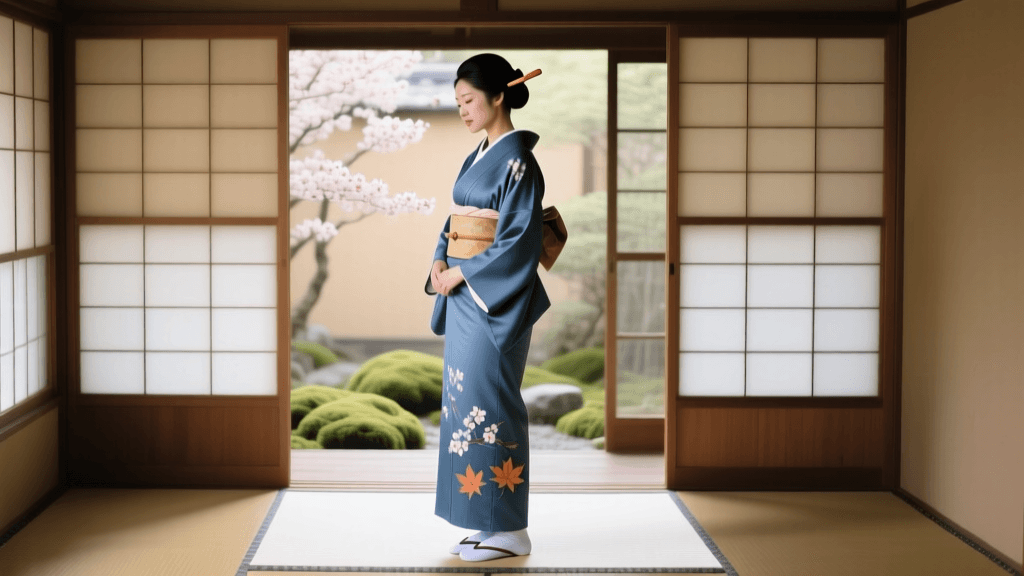
While the happi is favored for its rugged utility, the yukata remains the garment of choice for the graceful, rhythmic movements of Bon Odori (the traditional dance of the Obon festival). A yukata is a casual, unlined summer kimono. However, a yukata worn for a festival performance differs significantly from one worn for a casual evening stroll.
The Tanmono Fabric Constraint
Traditional yukata are constructed from a single bolt of fabric called a tanmono, which measures approximately 12 meters long and 38 cm wide. Because the fabric is so narrow, the sleeves and body panels are cut in straight lines and sewn together with minimal waste. This means vintage or traditionally tailored yukata have a strict maximum hip width of about 100-110 cm. For performers who require a wider range of motion, modern western-cut 'two-piece' yukata or stretch-polyester performance yukata are increasingly popular among dance troupes.
Adjusting the Hem for Dance
When performing Bon Odori, dancers must execute wide stances and deep bends. A standard floor-length hem would cause tripping. Performers utilize a technique called ohashori (the fold at the waist) to raise the hemline. For vigorous dances like the Awa Odori from Tokushima, female dancers often pin or tie the hem significantly higher, sometimes to the knee, using hidden ties or decorative cords, allowing for the signature high-kicking choreography. As noted by Japan Guide, proper undergarments like the susoyoke (slip skirt) are crucial when hiking up the hemline for performance to maintain modesty and tradition.
Footwear and Accessories: Tabi, Geta, and Tenugui
No festival costume is complete without the correct footwear and accessories. The ground at a matsuri can be uneven, crowded, and slick with spilled drinks or sweat, making proper footwear a matter of safety as much as tradition.
Tabi and Jikatabi
Tabi are traditional split-toe socks. For indoor or stage performances, white cotton tabi with metal fasteners (kohaze) are worn with zori (straw or vinyl sandals). However, for outdoor street dances, performers often wear jikatabi—split-toe boots with rubber soles. Jikatabi provide the ankle support and pavement grip necessary for the athletic leaps and spins found in modern festival dances.
Sizing Tip: Tabi and jikatabi are sized strictly in centimeters (e.g., 23.5, 24.0, 25.5). Always measure your foot from heel to longest toe in centimeters before purchasing, as Western shoe sizes do not translate accurately.
Geta: The Percussive Instrument
In dances like the Awa Odori, dancers wear geta (wooden clogs). The wooden teeth (ha) of the geta strike the pavement, creating a sharp, percussive clacking sound that acts as an additional instrument in the festival's musical ensemble. Performers must practice walking and dancing in geta weeks in advance to build calf strength and prevent blisters.
Tenugui: The Multi-Purpose Towel
The tenugui is a rectangular cotton cloth, usually measuring 35 cm by 90 cm. In a performance context, it is rarely used to dry hands. Instead, it is tied around the head in the hachimaki style to keep sweat out of the eyes, wrapped around the neck to protect against sunburn, or tucked into the obi to add a splash of contrasting color to the costume.
Comparison Chart: Choosing Your Festival Garment
| Garment Type | Best Use Case | Primary Material | Estimated Cost (USD) | Mobility Rating |
|---|---|---|---|---|
| Traditional Happi | Mikoshi carrying, Yosakoi, Taiko drumming | 100% Cotton | $40 - $90 | High |
| Standard Yukata | Casual festival attendance, slow Bon Odori | Cotton or Poly-blend | $30 - $120 | Low to Medium |
| Performance Yukata | Awa Odori, Stage Bon Odori, Dance Troupes | Stretch Polyester, Two-piece cuts | $60 - $150 | Very High |
| Jikatabi (Boots) | Outdoor street dances, high-impact choreography | Cotton upper, Rubber sole | $35 - $75 | Maximum |
Practical Guide: Buying and Dressing for a Summer Matsuri
If you are planning to participate in a Japanese festival, timing and preparation are everything. The summer festival season peaks in July and August, coinciding with the Obon holiday and the intense heat of the Japanese summer.
When and Where to Buy
To secure the best selection of happi coats, yukata, and tabi, begin your shopping in early May. By late June, popular sizes and traditional patterns (like indigo-dyed waves, morning glories, or festival crests) often sell out. If you are outside of Japan, specialized online retailers such as Ichiroya, Yamatoku, or dedicated Japanese festival supply stores are your best resources. For those in Japan, local supermarkets and department stores dedicate entire floors to matsuri goods starting in June.
The Art of the Obi
Securing your garment is just as important as the garment itself. For men performing in happi or yukata, a kaku obi (a stiff, woven cotton sash about 10 cm wide) is tied in a simple knot at the back or front. For women, a hanhaba obi (half-width sash) is standard. However, for highly active dances, many female performers opt for a heko obi—a soft, wide, scarf-like sash that can be tied tightly without digging into the ribs during deep breathing and vigorous movement.
Care and Maintenance
Festival costumes endure extreme conditions: sweat, dust, spilled sake, and humidity.
- Cotton Happi and Tenugui: These should be hand-washed in cold water immediately after the festival to prevent sweat stains from setting and to stop indigo dye from bleeding onto other fabrics. Never use bleach.
- Polyester Performance Yukata: One of the main reasons modern dance troupes use polyester is its durability. These can typically be machine washed on a gentle cycle in a mesh laundry bag and hung to dry, bypassing the need for expensive professional kimono cleaning services.
- Tabi: White cotton tabi will inevitably become soiled at the soles. Pre-treat the bottoms with a stain remover before washing to maintain their crisp, formal appearance for stage performances.
Conclusion
Participating in a Japanese matsuri or Bon Odori is a profound way to connect with Asian traditions, blending community, music, and movement into a single, vibrant experience. Whether you are donning the rugged, indigo-dyed happi to hoist a portable shrine, or adjusting the hem of your yukata for a graceful neighborhood dance, the garments you wear are the physical embodiment of the festival's spirit. By understanding the functional design of these costumes—from the split-toe grip of the tabi to the breathable weave of the cotton tenugui—you ensure that your focus remains on the rhythm of the drums and the joy of the dance. For more information on the regional variations of these spectacular events, the Yosakoi Matsuri Official Website offers excellent insights into how modern performance costumes continue to evolve while respecting historical roots.