The Ultimate Japanese Tea Ceremony Dress Code Guide
Understanding the Philosophy of Chanoyu and Dress
Participating in a traditional Japanese tea ceremony (Chanoyu) or an Ikebana flower arranging session is a profound cultural experience that extends far beyond the mere consumption of matcha or the placement of stems. In Japan, the arts of the tearoom and the floral studio are deeply intertwined with Zen philosophy, mindfulness, and a profound respect for the present moment. According to the Urasenke Foundation, one of the most prominent schools of Japanese tea ceremony, the practice is rooted in four core principles: Wa (Harmony), Kei (Respect), Sei (Purity), and Jaku (Tranquility). Your attire is the very first expression of these principles before you even step onto the tatami mats.
Dressing appropriately for these traditional arts is not about strict, punitive rules; rather, it is about showing respect for the host, the utensils, the space, and the other guests. Wearing the correct garments demonstrates that you understand the harmony of the gathering and are prepared to engage with the art form mindfully. Whether you are a tourist attending a cultural workshop in Kyoto or a student beginning your journey in traditional Japanese arts, understanding the nuances of the dress code is essential.
Kimono Attire: Selecting the Right Garment
Appropriate Kimono Types
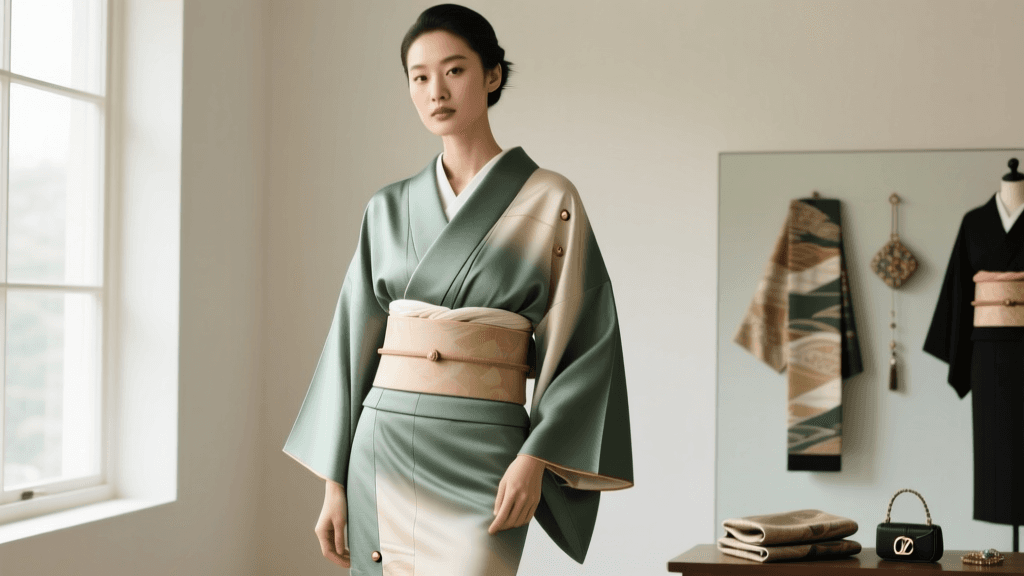
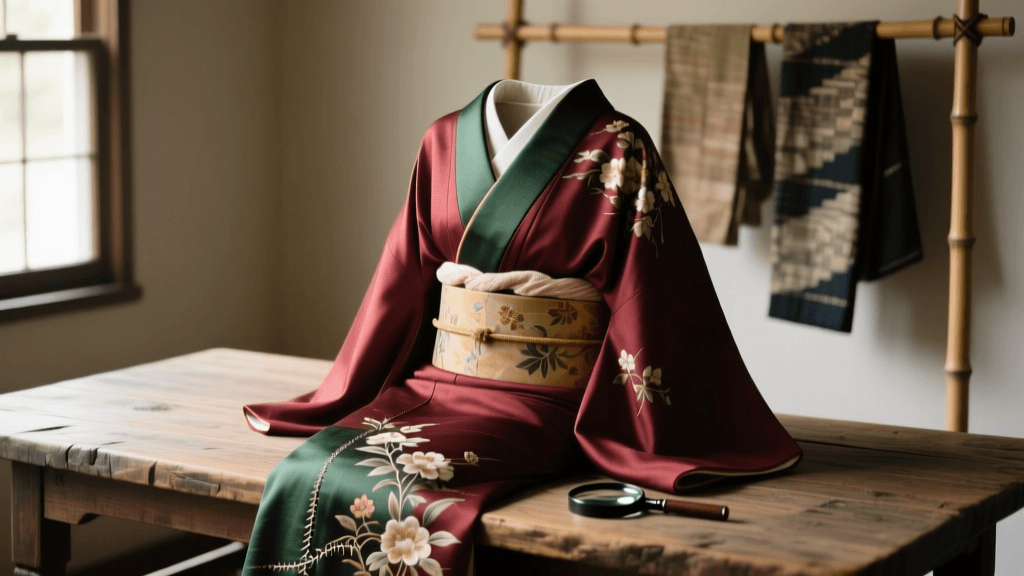
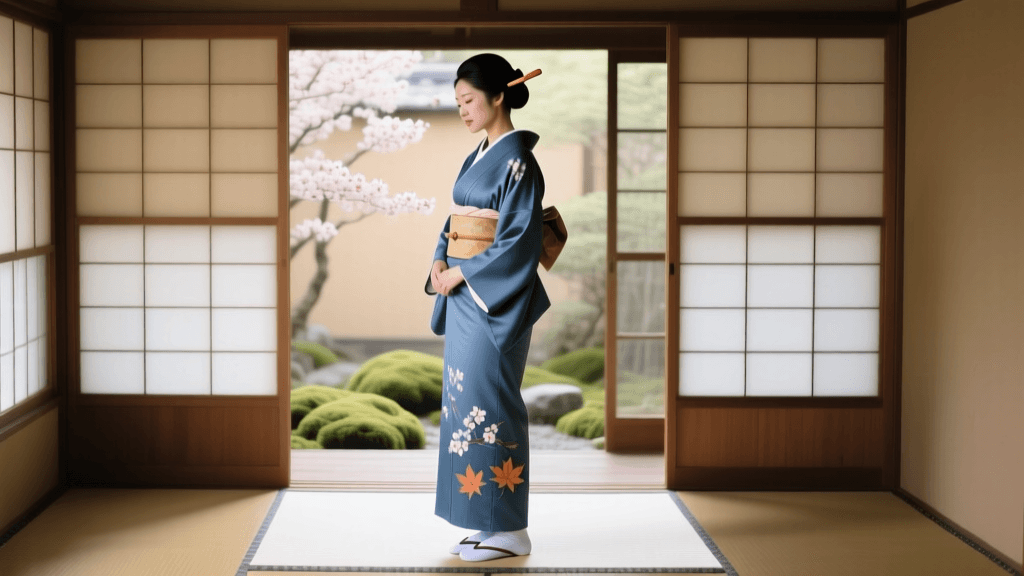
If you choose to wear a kimono to a tea gathering, the goal is to blend harmoniously with the subdued, natural aesthetics of the tearoom. The most appropriate choices are semi-formal or everyday kimono that reflect elegance without ostentation. Komon (kimono with small, repeating patterns) and Tsumugi (woven pongee silk with a slightly textured, rustic feel) are excellent choices for standard tea gatherings. Iromuji (solid-colored kimono without woven patterns) is also highly regarded, as its understated beauty allows the host's carefully selected seasonal decorations to take center stage.
It is crucial to avoid overly formal or flashy garments unless specifically invited to a highly formal gathering. Furisode (long-sleeved kimono worn by unmarried women) and heavily embroidered Uchikake are generally considered too grand and distracting for a standard tea ceremony. Furthermore, avoid kimono with large, bold, or asymmetrical modern designs, as they disrupt the tranquil atmosphere of the room.
Western Attire Alternatives
For international visitors or those who do not own a kimono, conservative Western attire is entirely acceptable and widely welcomed. The Japan National Tourism Organization (JNTO) notes that modesty and comfort are the primary concerns for foreign guests. Men should wear a collared shirt, a conservative tie, and slacks. A full suit is appropriate for more formal gatherings, but a jacket can be removed if the room is warm. Women should opt for modest dresses, skirts that fall below the knee, or tailored trousers paired with a conservative blouse.
Because you will be sitting in the seiza (kneeling) position on the floor, avoid tight skirts, low-cut necklines, or sheer fabrics. When you bow or kneel, your clothing must remain secure and modest. Subdued colors like navy, charcoal, forest green, and earth tones are preferred over neon or overly bright shades.
Footwear, Accessories, and Grooming Rules
The rules regarding accessories and grooming are perhaps the most strictly enforced aspects of the tea ceremony dress code, primarily to protect the invaluable tea utensils. The tea bowls (chawan) used in a ceremony can be centuries-old antiques, sometimes valued at tens of thousands of dollars. Therefore, all jewelry must be removed. Rings, bracelets, and watches pose a severe risk of scratching the delicate glaze of the pottery or the lacquer of the tea caskets. Even a simple wedding band should be removed and stored safely before entering the tearoom.
Footwear etiquette is equally important. You will need to remove your shoes before stepping onto the tatami mats. If you are wearing a kimono, you must wear pristine, white Tabi (split-toe socks). It is customary to bring a fresh pair of Tabi to change into at the venue, as walking outside in them is considered impure. If you are in Western attire, wear clean, dark, or neutral-colored socks without holes. Bare feet or pantyhose without socks are considered highly disrespectful in a traditional tatami environment.
Finally, avoid wearing strong perfumes, colognes, or heavily scented lotions. The tea ceremony involves the appreciation of the delicate aroma of high-grade matcha and the subtle scent of the koh (incense) burned in the hearth. Artificial fragrances overpower these natural scents and disrupt the sensory experience for everyone in the room.
Seasonal Dress Code Guidelines
Japanese traditional arts are deeply connected to the changing of the seasons. Your attire should reflect the current time of year, a concept known as shiki. Below is a guide to seasonal adjustments for kimono wearers and color palette suggestions for those in Western clothing.
| Season | Recommended Fabrics | Color Palette | Motif Examples |
|---|---|---|---|
| Spring (Mar-May) | Silk crepe (chirimen) | Pastels, soft pinks, light greens | Cherry blossoms, plum blossoms, wisteria |
| Summer (Jun-Aug) | Ro or sha (woven, breathable silk) | Cool blues, whites, pale lavenders | Water ripples, fireflies, morning glories |
| Autumn (Sep-Nov) | Tsumugi (pongee silk), lined silk | Earth tones, deep reds, mustard | Maple leaves, chrysanthemums, susuki grass |
| Winter (Dec-Feb) | Awase (heavily lined silk), wool blends | Deep purples, navy, charcoal | Pine, bamboo, snowflakes, camellia |
Ikebana: Dressing for the Art of Flower Arranging
While Ikebana shares the same philosophical roots as the tea ceremony, the physical nature of flower arranging requires a slightly more pragmatic approach to traditional dress. As highlighted by Ikebana International, the art involves handling water, soil, and sharp shears, which can pose a hazard to delicate silk garments. If you are wearing a kimono to an Ikebana workshop or demonstration, it is essential to use a Tasuki—a traditional cord used to tie back the long sleeves of the kimono. This prevents the sleeves from dipping into the water basin or knocking over the delicate floral arrangements.
For Western attire, avoid excessively baggy sleeves or dangling fabrics that could catch on branches or scissors. An apron is often provided by the studio, but wearing clothing that you do not mind getting slightly damp is a wise precaution. Necklines should be secure, as Ikebana requires frequent bending and leaning over low tables to assess the balance and angles of the arrangement from the viewer's perspective.
Practical Checklist for Tourists and Beginners
To ensure a seamless and respectful experience, use this practical checklist before attending your tea ceremony or Ikebana session:
- Leave at the hotel: Watches, rings, bracelets, necklaces, and strong perfumes.
- Bring with you: A fresh pair of white Tabi (if wearing kimono) or clean, conservative socks (if in Western attire).
- Wear: Modest, comfortable clothing that allows for deep kneeling and bowing without restricting movement or exposing skin.
- Carry: A small handkerchief or kaishi (traditional Japanese paper) to wipe the rim of the tea bowl after drinking.
- Hair and Makeup: Tie back long hair so it does not fall forward when bowing. Keep makeup natural and avoid brightly colored or heavily scented lipsticks, as they can stain the tea bowl and leave an unwanted scent.
By adhering to these guidelines, you honor the centuries-old traditions of Chanoyu and Ikebana. Your thoughtful preparation allows you to fully immerse yourself in the tranquility of the tearoom and the natural beauty of the floral studio, transforming a simple cultural activity into a profound moment of mindfulness and connection.