Celebrity Kimono Trends: Recreate High-Fashion Styles
The Global Renaissance of the Kimono
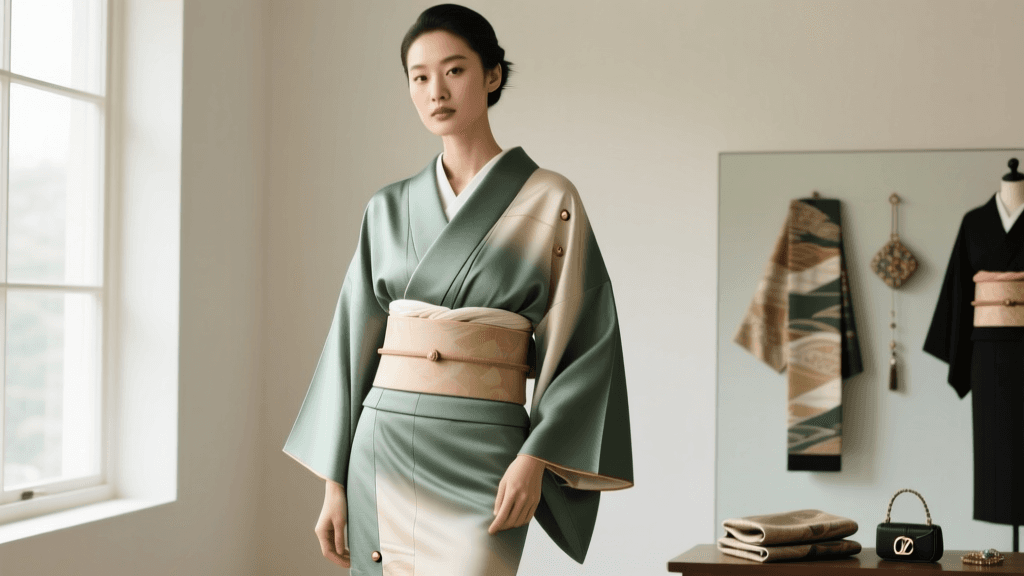
The kimono is no longer confined to the historic streets of Kyoto or strict ceremonial occasions. Over the past decade, a seismic shift has occurred in global fashion, transforming Japan's national garment into a highly sought-after statement piece on international red carpets and influencer feeds. From the runways of Paris to the bustling streets of Harajuku, celebrities and fashion influencers are redefining how the kimono is worn, blending centuries-old textile artistry with avant-garde modern styling.
At The Garment Atlas, we track the intersection of heritage and haute couture. The modern kimono movement is not about discarding tradition; rather, it is about dynamic reinvention. According to the Smithsonian Magazine, the kimono has always been a garment of constant reinvention, absorbing global influences while projecting Japanese aesthetics outward. Today, high-profile figures are leading this cross-cultural sartorial dialogue, providing a masterclass in how to wear traditional Japanese clothing with contemporary flair.
The Celebrity Effect: Kimonos on the Global Stage
The catalyst for the current kimono boom in Western and global fashion can be traced to several high-profile celebrity moments. When Rihanna stepped out in a deconstructed, kimono-inspired silk robe, or when Zendaya graced the Met Gala in garments that echoed the sweeping silhouettes of traditional Japanese court dress, the global appetite for kimono aesthetics skyrocketed.
However, the most authentic and influential trends are emerging from influencers who wear actual vintage and modern kimono, rather than mere Western approximations. Global pop phenomena like BTS have frequently incorporated authentic silk haori and kimono jackets into their stage wardrobes, merging streetwear with Edo-period elegance. Meanwhile, fashion influencers on Instagram and TikTok are pioneering 'Neo-Kitsuke' (modern dressing), pairing antique Meiji-era silk with contemporary luxury accessories.
The kimono is not a static relic of the past; it is a living, breathing canvas that adapts to the identity of its wearer. The modern styling movement proves that heritage garments can thrive in a contemporary wardrobe.
Decoding Influencer Kimono Styling: An Actionable Guide
Recreating the high-fashion kimono looks seen on celebrity influencers requires an understanding of both traditional garment architecture and modern styling hacks. Here are the top three trend-driven styling techniques dominating the current fashion landscape, complete with practical advice on execution.
1. The Corset and Kimono Crossover
Perhaps the most striking trend popularized by European and American fashion influencers is the layering of a structured corset over the kimono's obi (sash). This creates a dramatic, cinched silhouette that contrasts the fluid drape of the silk with rigid, Victorian-inspired structure.
- How to Style: Wear a standard kimono base. Instead of a traditional formal taiko musubi obi knot, tie a simpler flat knot or use a pre-tied obi belt. Layer a steel-boned underbust corset directly over the obi fabric.
- Measurements & Fit: Ensure your corset waist measurement is 4 to 6 inches smaller than your natural waist to create the hourglass shape without crushing the delicate silk beneath. Use a protective cotton liner between the corset and the obi to prevent friction damage to vintage textiles.
- Cost: A quality fashion corset ranges from $80 to $250. Vintage kimono suitable for this robust styling can be sourced for $50 to $150.
2. Footwear Fusion: Tabi Boots and Combat Soles
While traditional zori sandals are essential for formal tea ceremonies, the influencer street-style scene has entirely abandoned them in favor of heavy, grounded footwear. The split-toe tabi boot, popularized by Maison Margiela, is a staple, but thick-soled combat boots and platform sneakers are equally prevalent.
- How to Style: Pair a casual cotton or wool kimono (or a shorter kimono jacket) with wide-leg denim and chunky black combat boots. Ensure the hem of the kimono is secured at the ankle using kimono clips or hidden elastic bands to prevent the fabric from dragging in the mud.
- Timing: This casual fusion look takes less than 15 minutes to assemble, making it highly practical for fashion week attendees and city explorers.
3. The Haori as Luxury Outerwear
The haori (kimono jacket) is the most accessible entry point for celebrity-inspired styling. Unlike the full-length kimono, the haori does not require complex wrapping or an obi. Influencers frequently drape vintage, hand-painted silk haori over minimalist slip dresses, tailored suits, or even distressed denim.
- How to Style: Treat the haori exactly like a tailored blazer or a duster coat. Leave it open to showcase the garment's interior hakkake (lining), which often features hidden, exquisite artwork meant only for the wearer and those standing close by.
- Sourcing: Look for mid-Showa era (1950s-1970s) silk haori at Tokyo's Oedo Antique Market or online vintage retailers. Expect to pay between $120 and $350 for pieces in pristine condition with intact linings.
Sourcing Your Celebrity-Inspired Kimono
To achieve these high-fashion looks, you must source the right garments. The market is divided into three main categories, each serving a different purpose in the modern wardrobe. Below is a comprehensive comparison chart to guide your purchasing decisions.
| Garment Type | Price Range (USD) | Sizing & Fit | Maintenance | Best Occasion |
|---|---|---|---|---|
| Vintage Silk Kimono | $50 - $300 | One-size; requires ohashori waist folding for length adjustment. | Dry clean only; highly delicate. | Fashion editorials, gallery openings, avant-garde street style. |
| Modern Washable Kimono | $100 - $400 | Available in S, M, L; easier to fit without deep tailoring. | Machine washable (gentle cycle); wrinkle-resistant. | Travel, casual influencer content, outdoor festivals. |
| Designer Silk Haori | $400 - $2,000+ | Standard haori length (approx. 80-90cm); drapes over any body type. | Professional spot cleaning; store on wide hangers. | Red carpet events, high-end evening wear, luxury layering. |
Practical Guide: Sizing and The Ohashori Fold
One of the most common hurdles Western consumers face when buying authentic kimono is sizing. Unlike Western clothing, kimono are not cut to specific bust or hip measurements. Instead, they rely on two primary metrics:
- Yuki (Sleeve Length): Measured from the center back of the neck, over the shoulder, to the wrist. For most women, a standard yuki is between 62cm and 68cm. Influencers often prefer a slightly longer yuki to create a dramatic, pooling effect at the wrists.
- Mihaba (Body Width): The width of the front and back panels. As long as the combined width of the panels wraps around your body with at least 10cm of overlap at the front, the garment will fit.
The secret to the perfect celebrity fit is the ohashori—the horizontal fold created at the waist to adjust the kimono's length to the wearer's height. A standard kimono is woven to be roughly 155cm to 165cm long. When dressing, the excess fabric is pulled up and folded under the datejime (under-sash). Influencers often manipulate the ohashori to sit higher on the ribs, elongating the appearance of the legs and creating a more modern, high-waisted silhouette that photographs beautifully on camera.
Cultural Respect vs. Appreciation in Modern Styling
As the kimono becomes a fixture in global celebrity fashion, the conversation around cultural appropriation versus appreciation inevitably arises. The consensus among Japanese textile historians and cultural ambassadors is that the kimono is meant to be shared, provided it is worn with an understanding of its architecture and history.
Major institutions have championed this cross-cultural exchange. The Victoria & Albert Museum's landmark exhibition brilliantly showcased how the kimono has influenced global fashion from the 17th century to the modern catwalk, proving that cultural exchange is woven into the garment's DNA. Similarly, the Metropolitan Museum of Art's 'Kimono Style' exhibition highlighted the T-shaped garment's profound impact on Western designers and modern sartorial norms.
To practice respectful appreciation:
- Avoid crossing the lapels incorrectly: Always wrap the left side over the right. Right-over-left is strictly reserved for dressing the deceased in Japan.
- Invest in proper undergarments: Wear a juban (under-kimono) or a modern equivalent like a cambric cotton slip to protect the silk collar from skin oils and sweat.
- Support authentic artisans: Whenever possible, purchase from verified Japanese vintage dealers or modern artisans rather than fast-fashion brands that mass-produce culturally inaccurate, synthetic knock-offs.
Conclusion: Stepping Into the Silk
The celebrity and influencer kimono trend is more than a fleeting aesthetic; it is a testament to the garment's unparalleled versatility. By understanding the mechanics of the ohashori, experimenting with modern accessories like corsets and tabi boots, and sourcing authentic textiles, you can seamlessly integrate the kimono into your high-fashion wardrobe. Whether you are attending a global fashion week or curating your next editorial photoshoot, the kimono offers a profound, visually stunning connection to Asian traditions, reimagined for the modern global stage.