Traditional Japanese Haori in Global Pop Culture Style
The Cinematic and Pop Culture Rise of the Haori
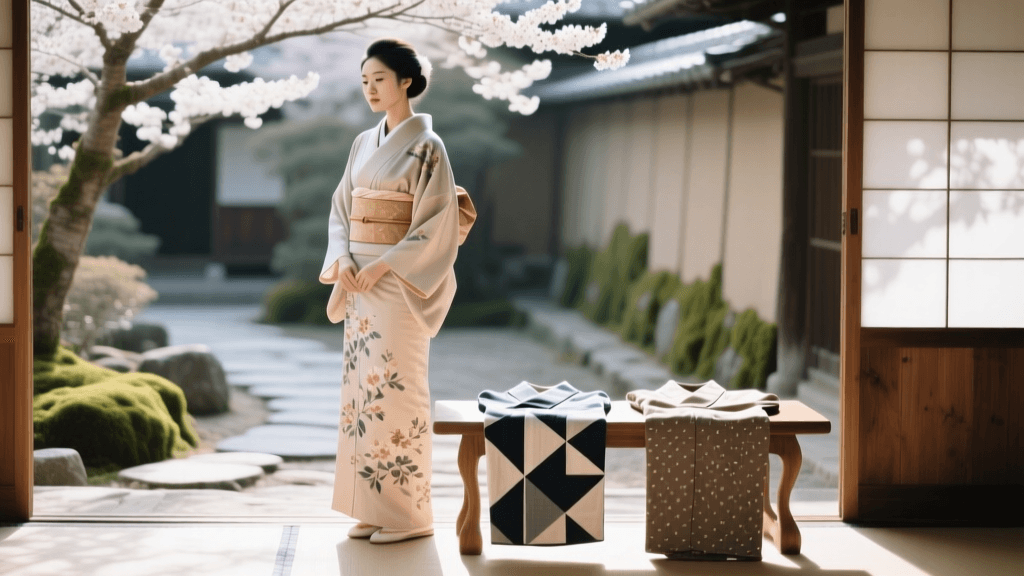
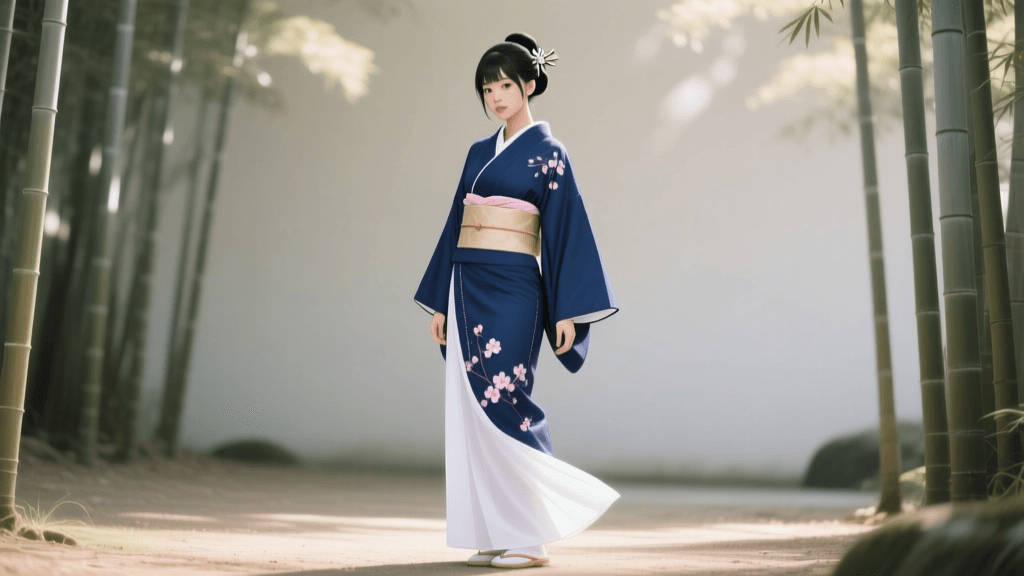
The traditional Japanese haori—a hip- or thigh-length jacket worn over a kimono—has transcended its origins in the Edo period to become a global sartorial icon. Originally designed to provide warmth and display the subtle wealth of the merchant class during an era of strict sumptuary laws, the haori’s flowing silhouette and intricate linings have captivated modern fashion designers, filmmakers, and streetwear enthusiasts alike. Today, the garment is no longer confined to formal Japanese ceremonies; it is a staple in global pop culture, high fashion, and urban streetwear.
The migration of the haori and its related garments into the global consciousness was meticulously documented in the Victoria and Albert Museum's landmark 'Kimono: Kyoto to Catwalk' exhibition, which highlighted how Japanese dress has continuously reshaped Western fashion since the 19th century. From the Japonisme movement in Paris to the avant-garde runways of the 1980s, the structural elegance of Japanese garments has provided an endless well of inspiration for global creatives.
From Edo-Era Merchants to Hollywood Sci-Fi
In global media, the haori and kimono silhouettes are frequently utilized to convey wisdom, mysticism, or futuristic elegance. George Lucas famously drew upon traditional Japanese garments, including the haori and kimono, to design the iconic robes of the Jedi Order in Star Wars. The loose, unrestrictive fit of the haori translated perfectly to the cinematic vision of space-faring monks, blending ancient tradition with futuristic world-building.
Similarly, the cyberpunk and sci-fi genres have heavily borrowed from Japanese workwear and outerwear. Films like The Matrix and Blade Runner utilized sweeping, structured coats that echo the dramatic drape of the haori, often blending it with Western trench coat elements to create a transnational, dystopian aesthetic. In the realm of anime, the haori has experienced a massive global resurgence. The protagonist of the global phenomenon Demon Slayer: Kimetsu no Yaiba, Tanjiro Kamado, wears a distinctive black and green checkered haori. This specific garment sparked a worldwide trend, with fast-fashion retailers and high-end streetwear brands alike releasing modern interpretations of the checkered pattern and the haori silhouette, proving the garment's immense commercial viability in modern pop culture.
Decoding the Silhouette: Traditional vs. Streetwear
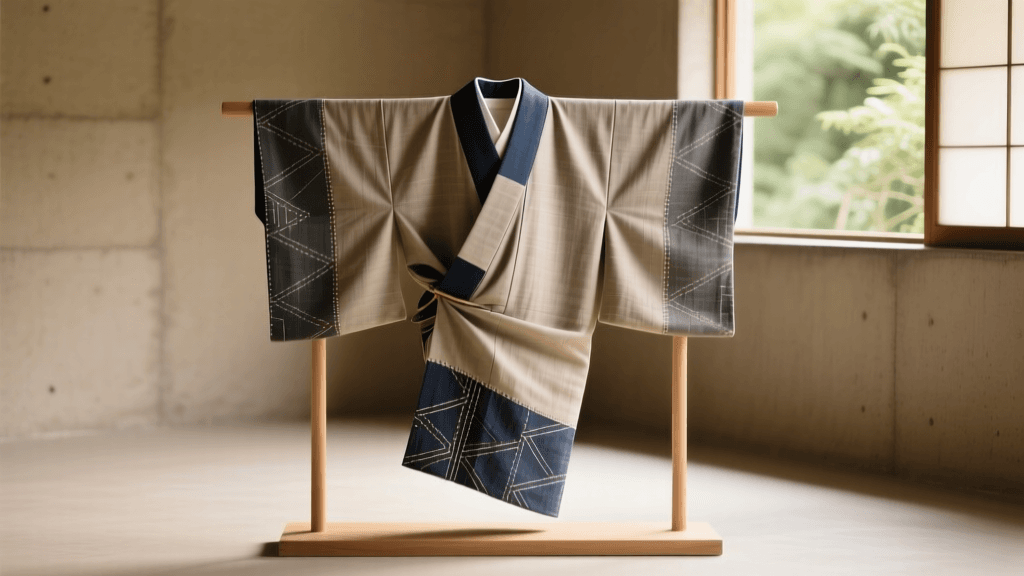
As the haori has been absorbed into global streetwear, its construction and styling have evolved. Modern streetwear often blends the haori with the noragi (traditional Japanese farmer's work jacket) to create hybrid garments that are more suited to daily urban wear. Below is a comparison of the traditional haori and its modern streetwear counterparts.
| Feature | Traditional Silk Haori | Modern Streetwear Haori/Noragi | Anime Replica Haori |
|---|---|---|---|
| Primary Fabric | Meisen silk, Rinzu (satin weave), or Tsumugi (pongee) | Heavyweight cotton, canvas, denim, or technical nylon | Polyester blend or lightweight cotton twill |
| Fit and Drape | Loose, T-shaped, wide sleeves, open front | Structured shoulders, tailored sleeves, often features tie-closures or buttons | Boxy, oversized, designed for cosplay and casual layering |
| Lining | Highly decorative, often featuring Yuzen-dyed landscapes or motifs | Unlined or quilted for warmth; focuses on exterior branding | Usually unlined or features printed character graphics |
| Price Range | $80 - $300 (Vintage); $1,000+ (New Artisan) | $150 - $450 (Designer Streetwear) | $40 - $90 (Mass-produced) |
| Pop Culture Tie | High fashion runways, period dramas, traditional tea ceremonies | Cyberpunk aesthetics, techwear, global hip-hop fashion | Anime conventions, Harajuku street style, cosplay |
Actionable Guide: Sizing and Sourcing Your Haori
Incorporating an authentic vintage haori into a modern wardrobe requires an understanding of traditional Japanese measurements, which differ significantly from Western sizing. Because vintage haori were made for the average Japanese physique of the early-to-mid 20th century, Western buyers often struggle with sleeve length and shoulder width.
Understanding Traditional Measurements
- Yuki (Center Back to Wrist): This is the most critical measurement. It is taken from the center back seam, across the shoulder, and down to the wrist. A standard vintage haori has a yuki of 60cm to 64cm. If you are taller or have broader shoulders, look for vintage pieces labeled as obishin (larger sizes) or seek out modern artisan reproductions that offer yuki measurements of 68cm or more.
- Sode (Sleeve Length): Traditional haori sleeves are deep and wide, often measuring 45cm to 50cm in drop. This creates the signature dramatic drape. Ensure the sleeve drop does not interfere with your wrist movement if you plan to wear it over thick streetwear layers.
- Migoro (Body Width): The haori is cut from straight bolts of fabric, meaning it lacks Western-style darts or tailoring. The front panels overlap, making the garment highly forgiving across the chest and waist, suitable for a wide range of body types and gender-neutral styling.
Where to Source Authentic Pieces
For collectors and fashion enthusiasts seeking authentic pieces, Tokyo’s vintage districts are unparalleled. Neighborhoods like Shimokitazawa and Koenji are treasure troves for mid-century meisen silk haori, often priced between $50 and $150. Stores such as Chicago Antique in Shimokitazawa offer curated selections of Edo and Showa-era garments. For those outside Japan, specialized online dealers on Etsy and dedicated Japanese vintage exporters provide authenticated pieces. When browsing the Kyoto Costume Institute's digital archives, you can train your eye to recognize high-quality weaving techniques like kasuri (ikat) and shibori (tie-dye), ensuring you invest in garments with genuine artisanal value.
Styling the Haori for the Modern Wardrobe
The beauty of the haori in a contemporary context lies in its versatility. It bridges the gap between a structured blazer and a casual cardigan. Here is how to style the haori for a modern, pop-culture-inspired wardrobe:
- The Techwear Layer: Pair a dark, unlined cotton or silk-blend haori over a high-neck technical turtleneck and tapered cargo pants. The wide sleeves of the haori contrast beautifully with the slim silhouette of modern techwear, echoing the futuristic aesthetics seen in cyberpunk media.
- The Streetwear Statement: Wear a brightly lined vintage silk haori open over a plain heavyweight oversized t-shirt and wide-leg denim. Allow the haori to remain untied (as is traditional) to let the inner lining flash when you walk. Finish the look with chunky sneakers or traditional zori sandals paired with modern tabi socks.
- Gender-Neutral Elegance: The straight-line construction of the haori makes it inherently gender-neutral. For formal-casual events, belt the haori at the waist with a thin leather belt or a braided himo (traditional haori tie) over a monochromatic linen suit. This creates a striking, avant-garde silhouette reminiscent of high-fashion editorial shoots.
Caring for Vintage and Artisan Pieces
Proper maintenance is crucial for preserving the structural integrity and vibrant dyes of traditional Japanese garments. Vintage silk haori should never be machine washed or dry-cleaned with harsh chemicals, as this can strip the natural sericin from the silk fibers and cause the delicate yuzen dyes to bleed. Instead, spot clean with a damp cloth and air the garment out in a shaded, well-ventilated area after wearing. Store your haori flat or folded along its original seams in a breathable cotton garment bag, avoiding wire hangers which will distort the shoulder seams and stretch the delicate silk over time.
As documented by The Japan Times in their coverage of the global kimono revival, the modern appreciation for these garments is not just about aesthetics; it is about preserving a tangible link to Japanese artisanal history. By understanding the measurements, respecting the craftsmanship, and thoughtfully integrating the haori into contemporary streetwear, global fashion enthusiasts can keep this centuries-old tradition vibrantly alive in the modern cultural zeitgeist.