Ultimate Kimono Buying Guide: Types, Formality, and Prices
Introduction to Kimono Shopping
The kimono is far more than a simple garment; it is a wearable canvas of Japanese history, art, and intricate social etiquette. For collectors, cultural enthusiasts, and travelers looking to bring a piece of Japan home, navigating the world of traditional Japanese clothing can be both thrilling and deeply intimidating. With countless variations in fabric, dyeing techniques, sleeve lengths, and crest placements, understanding what to buy requires a foundational knowledge of Japanese sartorial rules. Whether you are searching for a casual summer piece for a local festival or a high-end silk garment for a formal tea ceremony, this comprehensive buying guide will help you make an informed, culturally respectful purchase.
According to cultural historians and institutions like the Victoria and Albert Museum, the evolution of the kimono from the Heian period to modern times reflects shifts in Japanese society, trade, and aesthetic philosophies. Today, the market offers everything from mass-produced synthetic options to hand-painted, bespoke silk masterpieces. Before opening your wallet, however, you must understand the golden rule of Japanese fashion.
The Golden Rule: Understanding TPO (Time, Place, Occasion)
In Western fashion, you might wear a cocktail dress to a garden party or jeans to a casual dinner. In Japanese traditional dress, the boundaries are much stricter. The concept of TPO (Time, Place, Occasion) dictates every aspect of kimono selection. Wearing a highly formal, crested black kimono to a casual summer fireworks festival would be as jarring as wearing a ballgown to a picnic. Conversely, wearing a casual cotton yukata to a formal wedding would be considered deeply disrespectful.
The fundamental rule of Japanese traditional dress is TPO: Time, Place, and Occasion. Aligning your garment with the specific social context is a sign of respect for the host, the event, and the culture itself.
When shopping, always ask yourself: Where will I wear this? Who will I be with? What season is it? Japanese garments are highly seasonal, featuring motifs that bloom or fall only during specific weeks of the year. A plum blossom motif is reserved for late winter, while maple leaves are strictly for autumn. Resources like Japan Guide emphasize that understanding these seasonal and formal nuances is the first step to becoming a confident kimono buyer.
Comprehensive Kimono Type Comparison
To help you visualize the landscape of traditional Japanese garments, refer to the comparison chart below. Prices are estimated averages for authentic, good-condition garments in the international and domestic retail markets.
| Kimono Type | Formality Level | Sleeve Length | Pattern Style | Avg Price (USD) | Best For |
|---|---|---|---|---|---|
| Yukata | Very Casual | Standard (50-55cm) | Repeating, seasonal | $50 - $150 | Summer festivals, casual lounging |
| Komon | Casual / Everyday | Standard (50-55cm) | Repeating all-over | $100 - $400 | Theater, casual dining, classes |
| Houmongi | Semi-Formal | Standard (55-60cm) | Flowing picture (Eba) | $500 - $2,500+ | Weddings, tea ceremonies, parties |
| Furisode | Formal (Unmarried) | Long (100-114cm) | Elaborate, vibrant | $1,500 - $5,000+ | Coming of Age Day, formal events |
| Kurotomesode | Highest Formal | Standard (50-55cm) | Hem-only, 5 crests | $1,000 - $3,500+ | Weddings (close relatives) |
Detailed Breakdown of Popular Kimono Types
Yukata: The Gateway Garment
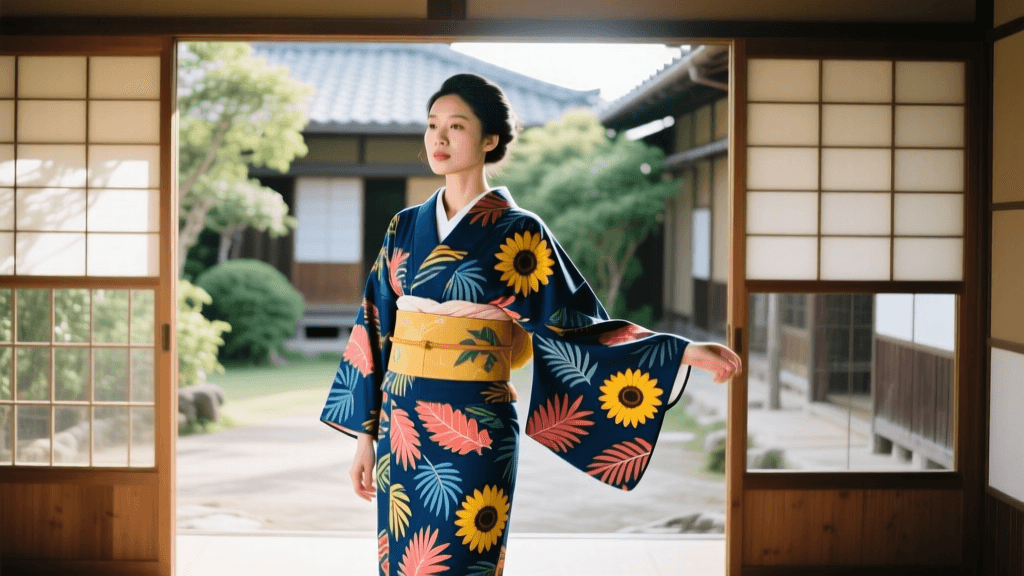
Originally conceived as a simple hemp or cotton bathrobe for the Edo-period aristocracy, the yukata has evolved into the quintessential summer festival garment. Made from breathable cotton or modern synthetic blends, yukata are unlined and worn with a simple, narrow belt called a hanhaba obi. They are the most accessible and affordable entry point for international buyers. Because they lack the strict formal rules of silk kimono, yukata allow for playful experimentation with modern accessories, colorful obijime (cords), and casual footwear like bare feet in geta (wooden sandals). When buying a yukata, look for high-quality cotton that has been pre-washed to prevent shrinkage, and check the vibrancy of the indigo or chemical dyes.
Komon: The Everyday Essential
The word komon translates to 'fine pattern.' These garments feature a repeating design that covers the entire surface of the fabric, regardless of the seams. Komon are the workhorses of a kimono wardrobe, suitable for everyday outings, casual dining, and cultural classes. A highly prized sub-category is Edo Komon, which features micro-patterns dyed using intricate paper stencils, appearing solid from a distance but revealing astonishing detail up close. When shopping for komon, you will find a vast market of vintage and 'recycle' silk options, making them an excellent choice for buyers wanting authentic silk without the astronomical price tag of formal wear.
Houmongi: The Elegant Visitor
Houmongi, or 'visiting wear,' is a semi-formal silk kimono characterized by its eba pattern. Unlike the komon, the houmongi's design is dyed onto the fabric after it has been cut and basted together, allowing the artwork to flow seamlessly across the seams, creating a continuous, sweeping picture. This technique requires immense skill and drives up the cost. Houmongi are appropriate for both married and unmarried women attending weddings (as guests), graduation ceremonies, and high-end tea gatherings. When inspecting a houmongi for purchase, ensure the pattern alignment at the side seams and the back center seam is flawless, as misalignment drastically reduces the garment's value.
Furisode: The Swinging Sleeves of Youth
Instantly recognizable by their dramatically long, swinging sleeves (often exceeding 100 centimeters in length), furisode are the highest level of formal dress for young, unmarried women. They are heavily associated with Seijin Shiki (Coming of Age Day) and are often rented or purchased by families as a major milestone investment. The designs are typically bold, vibrant, and heavily embroidered with gold and silver threads. Due to their high cost and limited use-case, many international buyers opt to purchase vintage furisode to repurpose as wall art, haori jackets, or striking fashion statements, as noted by cultural commentators at Nippon.com.
Kurotomesode: The Pinnacle of Formality
The kurotomesode is a black silk kimono featuring five family crests (kamon) and a continuous pattern exclusively along the lower hem. It is the most formal garment a married woman can wear, typically reserved for the mothers or close married relatives of the bride and groom at weddings. The black dye used is traditionally a deep, lustrous shade achieved through multiple dye baths. When buying a kurotomesode, inspect the black fabric closely for 'silk rot' or fading, as black silk is particularly susceptible to degradation over time if exposed to light or improper storage.
Sizing and Measurements: Getting the Right Fit
Unlike Western clothing, kimono are not sold in standard S, M, L sizes. They are traditionally tailored to the individual's exact measurements. However, when buying off-the-rack or vintage, you must understand three critical measurements to ensure a proper fit:
- Yuki (Arm Span): Measured from the center back of the neck, over the shoulder, and down to the wrist. This is the most crucial measurement. A kimono's yuki should ideally reach the wrist bone when arms are relaxed. If the yuki is too short, the garment will look ill-fitted and awkward.
- Take (Total Height): The total length of the kimono from the back of the neck to the hem. Because kimono are wrapped and folded at the waist using an ohashori (waist tuck), the take should be roughly equal to your height, or slightly longer. If it is more than 10cm shorter than your height, you will not have enough fabric to create the waist tuck.
- Baori (Hip/Width): The width of the back panel. It must be wide enough to wrap comfortably around your hips and torso without pulling the fabric taut, which distorts the patterns and stresses the silk seams.
Pro Tip: If you are buying a vintage kimono online, always ask the seller for the exact Yuki and Take measurements in centimeters. Do not rely on generic size labels.
Where and How to Buy: New vs. Recycle Markets
The modern kimono market is divided into two main spheres: brand-new, bespoke garments, and the thriving 'recycle' (vintage) market.
Buying New
Purchasing a new kimono from a department store (like Mitsukoshi or Takashimaya) or a specialty kimono shop guarantees pristine condition, modern sizing, and the ability to choose your own lining and crests. However, this comes at a premium. A new, hand-dyed silk houmongi can easily cost between $3,000 and $10,000, not including the cost of the obi, undergarments, and professional dressing services. For international buyers, some high-end shops offer overseas shipping and virtual consultations, but the process can take several months from order to delivery.
The Recycle (Vintage) Market
For most enthusiasts, the recycle market is the best way to build a collection. Cities like Kyoto and Tokyo are filled with recycle shops offering stunning Taisho and Showa-era garments for a fraction of their original cost. When shopping vintage, conduct a rigorous quality check:
- Check the Baori Seam: The center back seam takes the most stress. Look for fraying or thinning silk.
- Inspect for Stains: Water spots, makeup stains on the collar, and yellowing under the arms are common. While some stains can be cleaned by a professional kimono arai (kimono cleaner), others are permanent.
- Smell the Garment: Vintage silk can absorb the scent of camphor (used in storage) or mustiness. Ensure the odor is not overpowering, as removing it requires specialized airing and cleaning.
- Examine the Lining: The silk lining (hakkake) often degrades faster than the outer shell. Check the bottom hem for tearing or shattering silk.
Conclusion
Buying a kimono is an investment in a living art form. By understanding the strict TPO formality rules, accurately measuring your body for the correct yuki and take, and knowing how to inspect vintage silk for wear and tear, you can confidently navigate this beautiful market. Whether you drape yourself in a breezy cotton yukata for a summer evening or invest in a flowing silk houmongi for a formal cultural event, you are participating in a centuries-old tradition that continues to captivate the world.