A Parent's Guide to Children's Traditional Chinese Clothing
The Rise of Children's Traditional Chinese Clothing
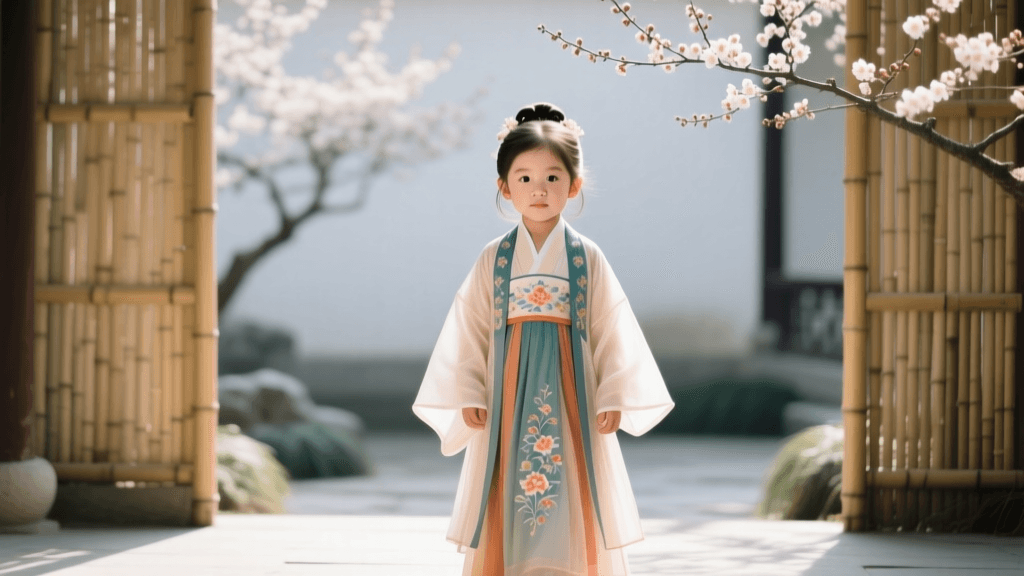
The global and domestic revival of traditional Chinese attire, often referred to as the Hanfu movement or Guochao (national trend), has transcended adult fashion to become a beloved staple in children's wardrobes. According to cultural reports from Sixth Tone, the Hanfu market has seen exponential growth over the last decade, with parents increasingly seeking cultural connection for their children through dress. Dressing children in traditional garments like Hanfu, Tangzhuang (Tang suits), and modified Qipaos is no longer reserved solely for theatrical performances or studio portraits. Today, these garments are proudly worn during major festivals, cultural ceremonies, and even as everyday streetwear.
However, buying traditional clothing for children requires a unique approach. Unlike standard Western children's apparel, traditional Chinese garments come with specific sizing metrics, distinct fabric requirements for sensitive skin, and unique safety considerations regarding ties and fastenings. This comprehensive guide provides parents with actionable advice on selecting, sizing, styling, and caring for children's traditional Chinese clothing, ensuring both cultural authenticity and childhood comfort.
Understanding the Garments: Hanfu, Tangzhuang, and Qipao
Before making a purchase, it is essential to understand the three primary categories of traditional Chinese clothing available for children, each serving different aesthetic and practical purposes.
1. Hanfu (Pre-Qing Dynasty Attire)
Hanfu encompasses the historical clothing of the Han Chinese. For children, the most common styles include:
- Ruqun (Blouse and Skirt): A cross-collared top (Jiaoling Youren) paired with a high-waisted skirt. This is highly popular for girls due to its twirl-friendly silhouette and elegant drape.
- Mamianqun (Horse-Face Skirt): A pleated skirt with flat front and back panels, often featuring woven jacquard patterns. It is typically paired with a simplified jacket or sweater for a modern-traditional fusion look.
- Beizi (Long Jacket): A lightweight, open-front jacket worn over a base layer. It is excellent for transitional weather and offers a scholarly, refined aesthetic for both boys and girls.
2. Tangzhuang (Tang Suit)
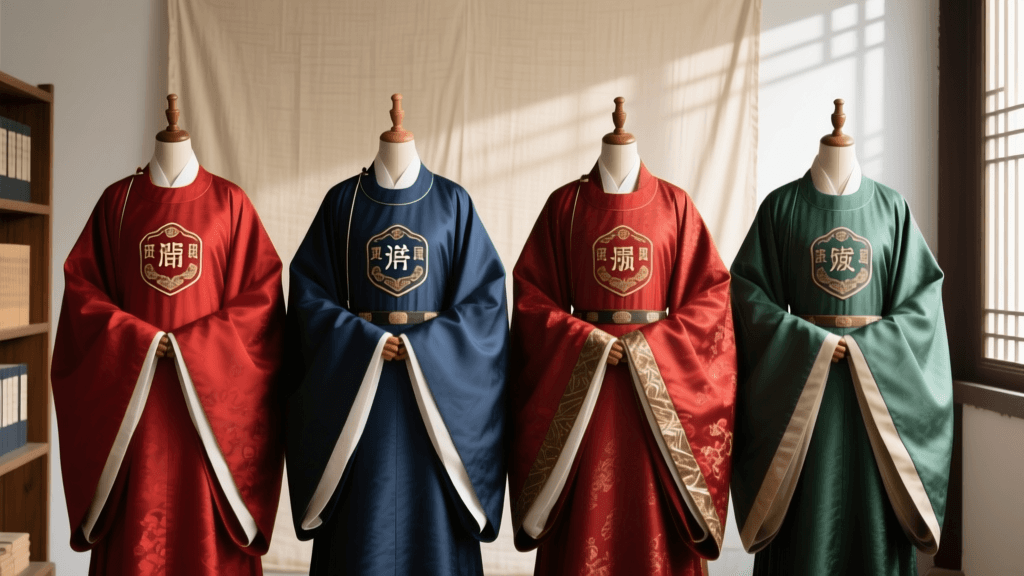
Despite the name, the Tangzhuang originated in the late Qing Dynasty and the Republic era. It is characterized by a Mandarin collar and pankou (frog knot) buttons. Tang suits are incredibly practical for toddlers and young boys because they lack the long, trailing sashes of Hanfu, making them safer for active play. They are the undisputed staple for Lunar New Year celebrations.
3. Modified Qipao (Cheongsam)
The traditional Qipao is form-fitting, which can restrict a child's movement and growth. However, modern children's Qipaos are often modified into A-line dresses with cotton linings, hidden back zippers (replacing side frog buttons for ease of dressing), and flared skirts, making them comfortable for young girls attending weddings or formal dinners.
Navigating Height-Based Sizing and Measurements
One of the most common pitfalls for international buyers or first-time shoppers of Chinese children's clothing is the sizing system. Traditional garments and domestic Chinese brands rarely use age-based sizing (e.g., 2T, 3T). Instead, they use a height-based metric measured in centimeters.
Here is a practical conversion guide to help you select the right size:
- Size 80: Fits children 75-85 cm tall (Approx. 12-18 months)
- Size 90: Fits children 85-95 cm tall (Approx. 18-24 months)
- Size 100: Fits children 95-105 cm tall (Approx. 3-4 years)
- Size 110: Fits children 105-115 cm tall (Approx. 4-5 years)
- Size 120: Fits children 115-125 cm tall (Approx. 6-7 years)
- Size 130: Fits children 125-135 cm tall (Approx. 8-9 years)
Actionable Tip: Traditional garments like the Aoqun (lined jacket and skirt) are designed to have a slightly loose, structured fit. If your child is between sizes or has a heavier build, always size up by one increment (e.g., choose 110 instead of 100). Hemming a slightly long skirt or jacket sleeve is common practice and allows the child to 'grow into' the garment over the year.
Fabric Selection: Comfort, Breathability, and Skin Safety
Children have highly sensitive skin, making fabric choice a critical factor. While adult Hanfu is often made from heavy, shimmering silks or stiff brocades, children's garments require a balance between traditional aesthetics and pediatric comfort.
| Fabric Type | Breathability | Durability | Best Occasion | Care Level |
|---|---|---|---|---|
| Pure Cotton | High | High | Daily Wear, Kindergarten, Summer | Easy (Machine Wash) |
| Linen Blend | Very High | Medium | Outdoor Festivals, Warm Weather | Moderate (Hand Wash, Iron) |
| Silk Brocade | Low | Low | Weddings, Formal Portraits | Difficult (Dry Clean Only) |
| Polyester Blend | Low | Very High | Stage Performances, Budget Sets | Easy (Machine Wash) |
The Golden Rule for Toddlers: Always ensure the inner lining of a brocade or silk jacket is made of 100% cotton. The outer layer provides the festive, structured look, while the cotton lining prevents synthetic irritation and absorbs sweat. According to parenting and cultural features in China Daily, the surge in children's Hanfu popularity has prompted domestic manufacturers to innovate 'skin-friendly' traditional wear, heavily favoring organic cotton and bamboo-fiber blends for the base layers (zhongyi).
Critical Safety Considerations for Traditional Fastenings
Traditional clothing relies heavily on ties, sashes, and knot buttons rather than zippers and snaps. While beautiful, these present genuine safety hazards for young children.
When selecting Hanfu for children under the age of five, prioritize garments where the waist ties are securely sewn into the side seams rather than fully detachable, reducing the risk of lost pieces and choking hazards.
Drawstring and Sash Safety: The U.S. Consumer Product Safety Commission (CPSC) strictly warns against drawstrings and long ties around the neck and waist of children's outerwear due to strangulation risks. When buying traditional Hanfu jackets or cloaks (doupeng), ensure the neck ties are short (less than 3 inches when untied) or replace them with hidden snap buttons. For waist sashes, tie them securely at the side or back, and trim any excessively long trailing ends that could trip a running child or get caught in playground equipment.
Choking Hazards: Festive Tang suits and Qipaos often feature decorative pankou (frog buttons) made with small beads or metal centers. For infants and toddlers who are still in the oral exploration phase, avoid beaded buttons entirely. Opt for tightly woven, purely fabric knot buttons, and regularly check them to ensure they are firmly stitched to the garment.
Occasion-Based Styling and Budgeting
Knowing when to wear which garment helps maximize your budget and ensures your child is dressed appropriately for the event.
Lunar New Year and Winter Festivals
The Look: Red and gold Tangzhuang or lined winter Hanfu (Aoqun) with faux-fur trim on the cuffs and collar.
Budget: $30 - $80 USD. Winter sets require thicker fabrics and lining, driving up the cost. Look for sets that include a matching traditional vest (majia), which adds warmth without restricting arm movement.
Mid-Autumn Festival and Spring Outings
The Look: Lightweight, flowing Ruqun in pastel colors (jade green, soft pink, sky blue) featuring embroidered motifs of rabbits, swallows, or peach blossoms.
Budget: $20 - $50 USD. Cotton and linen blends dominate this season. These sets are highly versatile and can be mixed with modern cardigans for a 'New Chinese Style' (Xin Zhongshi) everyday look.
Weddings and Formal Banquets
The Look: Silk brocade Mamianqun for girls, or a miniature scholarly Shenyi (one-piece robe) for boys.
Budget: $70 - $150+ USD. Authentic silk weaving and intricate embroidery require specialized craftsmanship. These are investment pieces often kept as family heirlooms or worn for professional studio photography.
Garment Care and Maintenance
Proper care extends the life of these culturally significant garments, especially when dealing with vibrant dyes and delicate embroidery.
- Washing: Always hand-wash cotton and linen Hanfu in cold water using a pH-neutral baby detergent. The red and gold dyes used in festival clothing are prone to bleeding during the first two washes. Add a pinch of salt to the first wash to help set the colors.
- Drying: Never wring out embroidered or brocade fabrics, as this will permanently distort the stitching and warp the fabric base. Gently press the water out using a clean, dry towel, and lay the garment flat to dry away from direct sunlight to prevent fading.
- Ironing: Use a low-heat steam setting. Always iron on the reverse side of the fabric, particularly over embroidered patches or gold-foil prints, to prevent scorching and melting of metallic threads.
- Storage: Store silk and brocade garments in breathable cotton garment bags. Avoid plastic dry-cleaning bags, which can trap moisture and cause mildew or yellowing on delicate natural fibers.
By understanding the rich history, practical sizing, and safety requirements of children's traditional Chinese clothing, parents can confidently introduce their little ones to the beauty of Asian heritage. Whether it is a simple cotton Tang suit for a family dinner or an elegant Hanfu set for a cultural festival, these garments offer a tangible, wearable connection to centuries of artistry and tradition.