Yukata vs Kimono: The Ultimate Summer Casual Wear Guide
Introduction to Japanese Summer Garments
Summer in Japan is a season of vibrant festivals, fireworks displays (hanabi), and traditional dances. As the humidity rises, the visual landscape of Japanese streets transforms with the elegant, flowing silhouettes of traditional summer garments. For both locals and international visitors, navigating the nuances of Japanese summer wear can be a delightful but complex endeavor. The two most prominent garments worn during this season are the yukata and the summer kimono (specifically hitoe, ro, and sha). While they may appear similar to the untrained eye, they are governed by distinct historical, structural, and etiquette-based rules.
According to Japan Guide's comprehensive overview of traditional clothing, understanding the distinction between these garments is essential for dressing appropriately for various summer occasions. This guide will break down the foundational differences, provide actionable styling advice, and offer a practical cost analysis to help you master Japanese summer casual wear.
Understanding the Yukata: The Casual Summer Staple
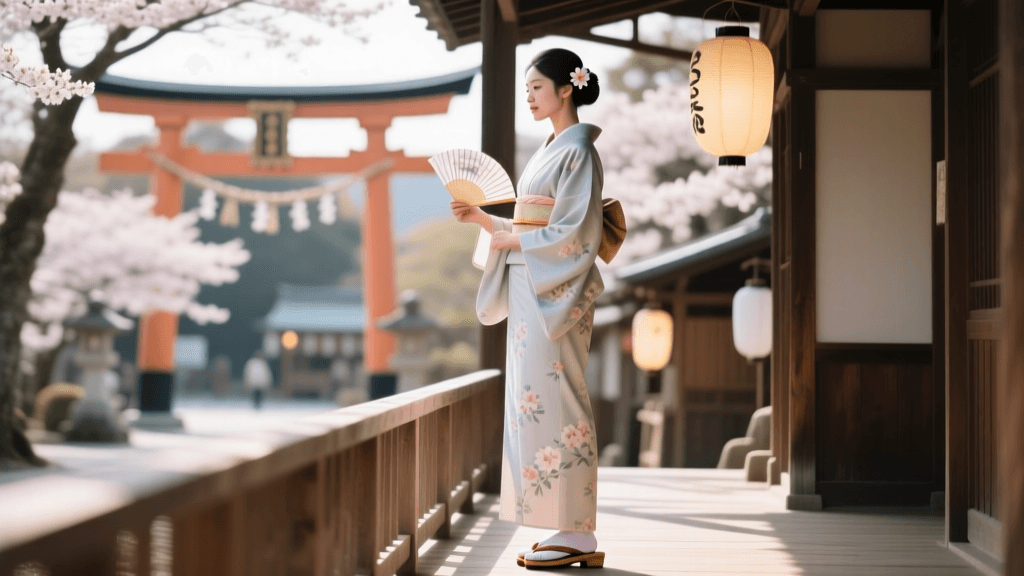
The yukata is the undisputed king of casual Japanese summer fashion. Historically, its origins trace back to the Heian period (794–1185) as the yu-katabira, a lightweight hemp or linen robe worn by nobility to and from steam baths. By the Edo period (1603–1867), as cotton became widely available and public bathhouses proliferated, the yukata evolved into the everyday casual wear of the common people.
Today, the yukata is defined by its simplicity. It is constructed from a single bolt of fabric known as a tanmono, which measures approximately 36 centimeters (14 inches) in width. This standardized width dictates the straight-line cutting method (chokusen-dachi) used in Japanese garment construction, ensuring minimal fabric waste and allowing the garment to be easily disassembled for washing or re-dyeing. Modern yukata are almost exclusively made from breathable cotton or cotton-blend fabrics, featuring everything from traditional indigo-dyed geometric patterns to contemporary pop-culture motifs.
The Summer Kimono: Hitoe, Ro, and Sha
While the yukata is inherently casual, the summer kimono elevates traditional dress into the realm of semi-formal and formal wear, adapted for the sweltering Japanese heat. The transition between seasonal garments is governed by the traditional concept of koromogae (seasonal wardrobe change). As detailed by The Metropolitan Museum of Art's Heilbrunn Timeline of Art History, the kimono is deeply tied to the natural world and the changing seasons.
Summer kimono are categorized into three distinct types based on their construction and weave:
- Hitoe (Unlined): Worn in June and September, the hitoe is made from silk or linen but lacks the inner lining found in winter kimono (awase). This single-layer construction provides significant relief from the early and late summer heat while maintaining a formal silhouette.
- Ro (Silk Gauze with Lines): Worn in July and August, ro features a specialized weaving technique that creates horizontal lines of open gaps in the silk, allowing air to circulate directly against the skin.
- Sha (Open Weave Silk Gauze): Also reserved for the peak heat of July and August, sha features a more open, grid-like weave than ro, making it the sheerest and coolest of all silk kimono.
Head-to-Toe Comparison: Yukata vs. Summer Kimono
To visualize the practical differences between these garments, refer to the comparison chart below. This table highlights the specific components required for each style, ensuring you assemble the correct ensemble.
| Feature | Yukata | Summer Kimono (Hitoe / Ro / Sha) |
|---|---|---|
| Primary Fabric | Cotton, Hemp, Polyester blends | Silk, High-grade Linen, Jofu |
| Lining | None (Single layer) | None (Unlined / Sheer weaves) |
| Undergarments | Hadajuban (half-slip) and Susoyoke (wrap skirt) | Nagajuban (full under-robe) with Han-eri (collar) |
| Collar Appearance | Single layer of the main fabric | Layered look (Main fabric + white under-collar) |
| Obi (Sash) | Hanhaba Obi (half-width, casual) | Nagoya Obi or Fukuro Obi (wider, formal) |
| Footwear | Geta (wooden clogs) with bare feet | Zori (sandals) worn with Tabi (split-toe socks) |
| Occasions | Festivals, fireworks, casual strolls, ryokan | Tea ceremonies, theater, formal dinners, weddings |
Undergarments and Layering Rules
The most common mistake beginners make when wearing traditional Japanese clothing is neglecting the undergarments. The layering system is what gives the kimono its distinctive, elegant cylindrical shape while protecting the outer garment from sweat and body oils.
For a yukata, the layering is minimal. You will need a hadajuban (a lightweight, short-sleeved camisole) and a susoyoke (a wrap skirt) to absorb moisture and prevent the cotton from clinging to your legs. Many modern retailers sell one-piece hada-juban slips that combine both for convenience.
For a summer kimono, the rules are stricter. You must wear a nagajuban, a full-length under-robe. Because summer kimono fabrics like ro and sha are semi-transparent, the nagajuban provides necessary opacity. Crucially, the nagajuban must feature a han-eri (a detachable white collar) that peeks out just beneath the collar of the outer kimono. As noted by the Victoria and Albert Museum's extensive research on kimono styling, this layered collar is a hallmark of formal kimono dress and immediately signals to observers that you are wearing a kimono rather than a casual yukata.
Footwear and Accessories: Completing the Silhouette
Footwear is another strict divider between casual and formal summer wear. The yukata is traditionally paired with geta—elevated wooden clogs that keep the hem of the garment away from damp streets and summer rain. Geta are worn with bare feet; wearing socks with geta is generally considered a fashion faux pas in casual settings.
Conversely, a summer kimono requires zori (flat sandals made of vinyl, leather, or woven rush) and tabi (split-toe socks). Even in the peak of August's sweltering heat, showing bare toes while wearing a kimono is a breach of etiquette. For accessories, yukata wearers typically carry a kinchaku (a drawstring basket or cloth bag), while kimono wearers opt for structured, brocade handbags or woven rattan baskets that complement the formality of the obi.
Cost, Rental, and Purchasing Guide
Investing in summer traditional wear varies wildly depending on the garment type and your sourcing strategy. Here is a practical breakdown of what you can expect to spend:
Yukata Costs
- Ready-to-wear (Department Stores/Online): 3,000 to 10,000 JPY ($20 - $70 USD). Brands like Uniqlo, Nishijin, and various online retailers offer pre-sewn, machine-washable options.
- Custom/Tailored: 20,000 to 50,000 JPY ($130 - $330 USD) for premium indigo-dyed or artisan cotton.
- Rental (1 Day): 2,500 to 4,000 JPY ($15 - $25 USD), usually including dressing service, obi, and geta.
Summer Kimono Costs
- Vintage/Second-hand: 5,000 to 20,000 JPY ($35 - $130 USD). Stores in Kyoto's Higashiyama or Tokyo's Shinjuku offer excellent vintage silk, though you must carefully inspect for sweat stains on the collar.
- New Artisan Silk: 100,000 to 500,000+ JPY ($650 - $3,300+ USD). Hand-woven Oshima Tsumugi or premium Echigo Jofu linen represent the pinnacle of summer luxury.
- Rental (1 Day): 5,000 to 12,000 JPY ($35 - $80 USD). Highly recommended for tourists wishing to experience a formal tea ceremony without the massive financial outlay.
Care and Maintenance: Washing vs. Spot Cleaning
The maintenance of these garments reflects their material composition. A cotton yukata is remarkably low-maintenance. It can be hand-washed or machine-washed on a gentle cycle using a mesh laundry bag and mild detergent. It should be hung to dry in the shade to prevent the vibrant dyes from fading in the harsh summer sun.
Silk summer kimono, however, cannot be submerged in water. Water will cause the silk fibers to shrink and distort the delicate ro or sha weaves. Maintenance requires professional spot cleaning or the traditional, highly specialized practice of arai-hari, where the garment is completely taken apart, washed, stretched on wooden frames, and re-sewn. For modern wearers, using a high-quality hadajuban and ashi-eri (collar protectors) is the most actionable way to prevent sweat damage and reduce cleaning costs.
Etiquette and the Rule of Migi-Mae
Regardless of whether you choose a casual yukata or a formal summer kimono, the most critical rule of Japanese garment etiquette is migi-mae (right side first). When wrapping the garment around your body, the right panel must cross over your chest first, followed by the left panel wrapping over the right.
"In Japanese culture, dressing the deceased for burial is the only time a garment is wrapped right-over-left. Wearing your yukata or kimono in this manner is considered highly inauspicious and will immediately draw uncomfortable stares from locals."
To remember this easily, use the universal "handshake" rule: if you slide your right hand into the chest opening of your wrapped garment, it should go in smoothly. If your left hand goes in smoothly, you have it backward.
Conclusion: Choosing Your Summer Silhouette
Navigating the world of Japanese summer wear is a rewarding journey into the heart of Asian textile traditions. The yukata offers a breezy, accessible, and vibrant entry point for festival-goers and casual travelers, celebrating the joyous, communal spirit of summer matsuri. The summer kimono, with its sheer silks, intricate under-layers, and refined accessories, provides a window into the disciplined, seasonal aesthetics that have defined Japanese formalwear for centuries. By understanding the fabrics, respecting the layering rules, and adhering to traditional etiquette, you can confidently step into the Japanese summer, honoring a sartorial legacy that beautifully balances form, function, and natural harmony.