Beyond the Kimono: Guide to Ainu and Ryukyuan Dress
Introduction to Japan's Indigenous and Minority Garments
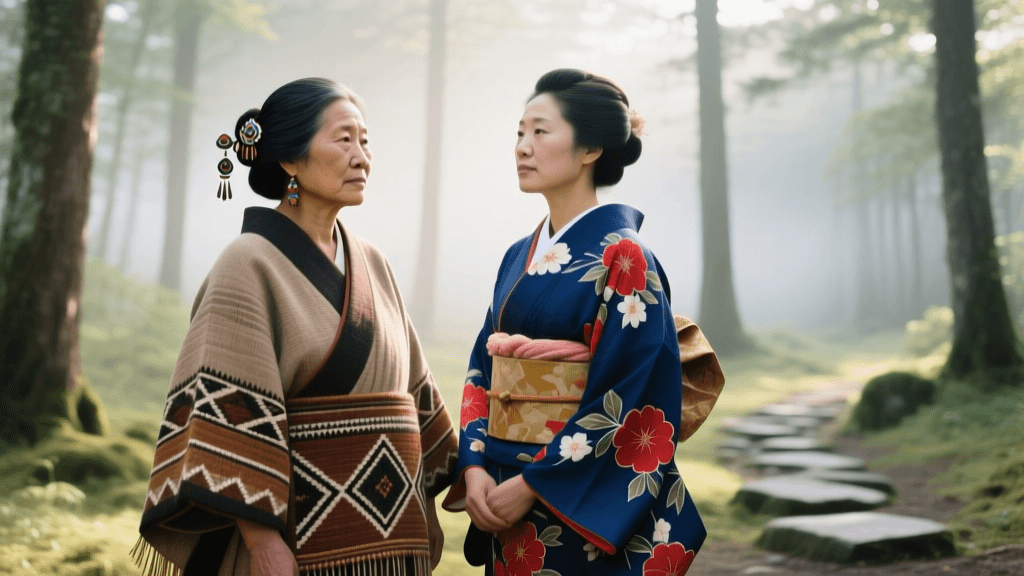
When the world thinks of traditional Japanese clothing, the image of the silk kimono immediately comes to mind. However, the Japanese archipelago is home to diverse indigenous and ethnic minority groups whose sartorial traditions are equally profound, yet distinctly different in material, construction, and cultural philosophy. At the northern and southern extremes of Japan, the Ainu people of Hokkaido and the Ryukyuan people of Okinawa have developed unique textile heritages shaped by their specific climates, spiritual beliefs, and historical trade routes.
For collectors, cultural enthusiasts, and advocates of slow fashion, understanding these minority garments offers a deeper, more nuanced perspective on Asian traditions. This guide explores the craftsmanship behind Ainu attus and Ryukyuan bingata, providing actionable advice on sourcing, measuring, and preserving these extraordinary ethnic garments.
The Ainu Attus: Elm Bark Weaving of the North
Craftsmanship and Spiritual Protection
The Ainu, the indigenous people of Hokkaido, Sakhalin, and the Kuril Islands, developed a textile tradition perfectly suited to the harsh, freezing winters of the north. The cornerstone of Ainu clothing is attus, a durable, water-resistant fabric woven from the inner bark of the ohyo (Manchurian elm) tree. The labor-intensive process involves peeling the bark, soaking it in rivers, drying it, and tearing it into fine strips before weaving it on a traditional backstrap loom.
Over the attus base, Ainu artisans traditionally wear a kaparamip or morew—a robe made of cotton or trade cloth featuring intricate appliqué and embroidery. According to the Upopoy National Ainu Museum and Park, these swirling, thorn-like geometric patterns are not merely decorative; they serve a vital spiritual function. The Ainu believe that evil spirits can enter the body through its openings. Therefore, the cuffs, hem, and neckline of the robe are heavily embroidered with continuous, maze-like motifs to trap or repel malevolent forces, protecting the wearer's soul.
Sourcing and Wearing Ainu Garments
Authentic Ainu garments are rare and highly prized by textile collectors. While everyday attus workwear was historically common, surviving ceremonial robes are museum-quality artifacts. Today, contemporary Ainu artisans in villages like Nibutani continue to weave attus and create modern accessories that honor traditional techniques.
- Product Types: Vintage kaparamip (appliqué robes), contemporary attus sashes, woven amulet pouches, and matanpushi (embroidered headbands).
- Where to Buy: The Nibutani Ainu Culture Museum gift shop in Hokkaido, Upopoy National Ainu Museum in Shiraoi, or directly from registered Ainu artisan cooperatives.
- Cost Expectations: Small woven pouches or headbands range from $40 to $120. A full, authentic vintage kaparamip robe can command anywhere from $800 to over $3,000, depending on the density of the embroidery and the garment's provenance.
Ryukyuan Ryusou and Bingata: The Tropical Elegance of Okinawa
The Magic of Bingata Resist Dyeing
Traveling to the southernmost prefecture of Okinawa, the climate shifts from freezing winters to subtropical humidity. Here, the traditional dress is the Ryusou, characterized by lightweight, breathable fabrics and wide, flowing sleeves that allow for air circulation. The most iconic element of Ryukyuan dress is Bingata, a vibrant resist-dyeing technique that reflects the Ryukyu Kingdom's historical role as a bustling maritime trade hub connecting China, Japan, and Southeast Asia.
As documented by heritage preservationists like the Shuri Ryusen Bingata Studio, the Bingata process is a masterclass in patience and precision. Artisans carve intricate stencils from mulberry paper treated with persimmon tannin. A thick rice-paste resist is applied through the stencil onto silk, hemp, or cotton. Once the paste dries, artisans hand-paint the fabric using mineral and plant pigments—such as indigo, cochineal, and orpiment—before dusting it with soy milk to fix the colors. Finally, the paste is washed away in running water, revealing brilliant, crisp patterns of dragons, hibiscus flowers, ocean waves, and peonies.
Cultural Hierarchy and Color
Historically, Bingata was strictly regulated by the Ryukyuan caste system. Yellow was reserved exclusively for royalty and the highest-ranking nobles, while blue, red, and purple were designated for lesser nobles and warriors. Commoners were generally restricted to simpler indigo-dyed kasuri (ikat) textiles. Today, these restrictions are gone, and Bingata is celebrated as a symbol of Okinawan identity and resilience, especially following the cultural devastation of World War II.
Comparative Analysis: Ainu vs. Ryukyuan Textiles
Understanding the stark contrasts between these two ethnic minority traditions highlights the incredible geographic and cultural diversity of the Japanese archipelago.
| Feature | Ainu Textiles (Hokkaido) | Ryukyuan Textiles (Okinawa) |
|---|---|---|
| Primary Material | Elm Bark Fiber (Ohyo), Nettle, Trade Cotton | Silk, Hemp, Banana Fiber (Bashofu) |
| Decoration Method | Embroidery, Appliqué, Backstrap Weaving | Resist-Dyeing (Stencils), Ikat (Kasuri) |
| Climate Adaptation | Insulating, Wind-resistant, Layered | Breathable, Cooling, Moisture-wicking |
| Motif Inspiration | Flora, Fauna, Geometric Spirit Wards | Chinese/Southeast Asian Trade Motifs |
| Silhouette | Straight-cut, narrow sleeves, sash-tied | Wide, flowing sleeves, open-front drape |
Practical Buyer's Guide: Sourcing, Sizing, and Care
For those looking to invest in authentic Ainu or Ryukyuan garments, whether for a private collection, cultural study, or personal wear, specific practical considerations must be taken into account. The Japan National Tourism Organization frequently highlights regional craft centers as the most ethical and reliable sources for these textiles.
1. Measurements and Sizing
Unlike Western tailoring, traditional Asian garments are rarely sized by chest or waist measurements. Instead, they rely on fabric width and drape.
- Ryusou Sizing: The critical measurement is the hirosa (wingspan or sleeve span). A standard women's Ryusou has a wingspan of approximately 120-130 cm (about 47-51 inches). Because the garment wraps and is secured with an obi or sash, the width of the front panels (migoro) is highly forgiving. Length (take) is usually tailored to the wearer's height plus 10 cm to allow for the traditional fold at the waist.
- Ainu Robe Sizing: Vintage Ainu robes were often cut from narrow loom widths (approx. 35-40 cm per panel). When purchasing vintage morew, measure the shoulder span and the total hem circumference, as these garments are meant to be worn slightly loose and layered over modern base layers or traditional under-robes.
2. Costs and Investment
Investing in minority textiles requires an understanding of the labor involved.
- Bingata Obi (Sash): A mass-printed, tourist-grade cotton sash may cost $50-$80. However, a hand-dyed, authentic silk Bingata obi crafted by a recognized artisan will range from $1,500 to $4,500. Look for the subtle imperfections of hand-carved stencils and the rich, multi-tonal shading of hand-brushed pigments.
- Bashofu (Banana Fiber Cloth): Another highly prized Ryukyuan textile. Because it takes roughly 200 banana trees to produce enough fiber for a single kimono-length bolt of cloth, authentic vintage Bashofu can easily exceed $5,000 at auction.
- Ainu Accessories: For entry-level collectors, Ainu matanpushi (headbands) or small attus woven bags are excellent starting points, typically costing between $80 and $250.
3. Timing and Custom Orders
If you are commissioning a custom Ryukyuan Bingata garment directly from a studio in Okinawa, patience is mandatory. The traditional Bingata process is heavily dependent on weather and humidity. The rice-paste resist requires specific drying conditions, and the oxidation of certain natural pigments (like the deep reds derived from safflower or cochineal) can take weeks to fully cure. Expect a lead time of 4 to 8 months for a custom-ordered silk garment. It is highly recommended to visit the studio in person (or schedule a detailed virtual consultation) to select your stencil patterns and pigment palette.
4. Authentication and Care
Pro-Tip for Authentication: To verify authentic hand-dyed Bingata, examine the reverse side of the fabric. Because the pigments are brushed on vigorously, the color should penetrate deeply into the silk fibers, showing a vibrant 'bleed-through' on the back. Screen-printed imitations will have a stark white reverse side.
Care Instructions: Both Ainu elm-bark garments and Ryukyuan silks are highly sensitive to modern cleaning methods. Attus should never be machine washed; it should be gently spot-cleaned and aired out in the shade to prevent the natural fibers from becoming brittle. Bingata silk must be strictly dry-cleaned by specialists familiar with natural dyes, and it should never be stored or displayed in direct sunlight, as UV rays will rapidly degrade the organic pigments and cause the vibrant yellows and reds to fade.
Preserving Minority Sartorial Heritage
The garments of the Ainu and Ryukyuan peoples are far more than mere clothing; they are wearable archives of indigenous history, spiritual cosmology, and global trade. By understanding the distinct weaving techniques of Hokkaido and the vibrant resist-dyeing of Okinawa, collectors and cultural enthusiasts can help support the artisans keeping these marginalized traditions alive. Whether you are investing in a meticulously embroidered Ainu kaparamip or commissioning a flowing Ryukyuan Ryusou, you are participating in the vital preservation of Asia's most fascinating and diverse textile legacies.