Styling Xianxia Drama Costumes for Real Hanfu Wearers
The Allure of Xianxia and Wuxia Costumes
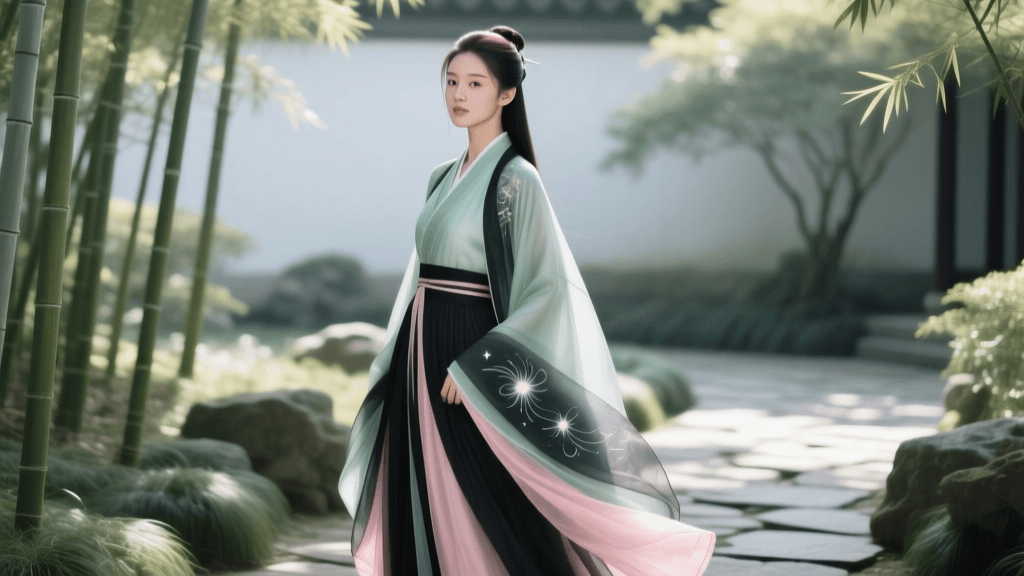
Chinese historical dramas, particularly in the Xianxia (immortal heroes) and Wuxia (martial arts) genres, have captivated global audiences with their breathtaking aesthetics. Shows like The Untamed (Chen Qing Ling), Nirvana in Fire, and Love Between Fairy and Devil (Cang Lan Jue) showcase flowing robes, intricate embroidery, and ethereal silhouettes that seem to defy gravity. For many international fans, these dramas serve as the gateway into the world of traditional Chinese clothing. However, there is a distinct difference between screen-accurate studio costumes and historically authentic Hanfu. According to cultural commentators at Sixth Tone, the modern Hanfu revival movement is deeply intertwined with media representation, yet enthusiasts quickly learn that translating fantasy to reality requires a nuanced understanding of traditional garment construction, fabric behavior, and historical context.
Screen Accuracy vs. Historical Reality
Costume designers for Xianxia dramas prioritize visual impact and actor mobility on set over historical accuracy. To achieve the dramatic, billowing effects seen on camera, studios often use lightweight synthetic fabrics like polyester chiffon and organza. While these materials catch the wind beautifully for slow-motion martial arts sequences, they lack the breathability, drape, and longevity of natural fibers. Furthermore, studio costumes frequently employ modern tailoring shortcuts—such as hidden zippers, elastic waistbands, and Velcro closures—to facilitate quick changes between takes. In contrast, authentic Hanfu relies on flat-pattern cutting and a system of fabric ties, which not only honors the historical Jiaoling Youren (cross-collar, right over left) tradition but also allows for a more forgiving and adjustable fit across different body types.
As noted by the Metropolitan Museum of Art, traditional Chinese dress historically emphasized the two-dimensional plane of the fabric, utilizing techniques like pleating, layering, and wide sleeves to create volume without the use of Western-style darts or corsetry. When adapting drama costumes for everyday wear, the goal is to capture the romantic essence of the Xianxia aesthetic while grounding it in the wearable, comfortable realities of historical Hanfu.
Building a Drama-Inspired Hanfu Wardrobe
To recreate the ethereal 'fairy' or 'noble cultivator' look from your favorite dramas without sacrificing comfort or historical integrity, focus on three core components: the base layer, the outer robe, and the accessories.
1. The Base Layer (Zhongyi)
The foundation of any Hanfu ensemble is the Zhongyi (inner garment). In dramas, characters are often shown in pristine, stark white inner layers that peek out from beneath their colorful outer robes. For everyday wear, opt for a white or off-white cotton or ramie Zhongyi with a narrow collar. Ramie is an excellent choice for summer months as it is highly breathable and naturally moisture-wicking. Ensure the collar sits neatly above the outer garment's neckline to create that signature layered depth seen in Tang and Song dynasty styling.
2. The Outer Robes (Beizi and Daxiushan)
The dramatic, sweeping coats worn by high-ranking immortals in Xianxia dramas are usually exaggerated versions of the Daxiushan (large-sleeve shirt) from the Tang Dynasty or the Beizi (long outer jacket) from the Song Dynasty. For a more practical approach, the Song Dynasty Beizi is highly recommended. It features straight, flowing lines with side slits that allow for ease of movement. If you desire the dramatic wide sleeves of a Daxiushan, look for a wingspan (the measurement from wrist to wrist) of around 1.6 to 1.8 meters. Anything beyond 2 meters, which is common in TV costumes, will drag on the ground and become a hazard in urban environments.
3. Skirts and Silhouettes (Mamianqun vs. Poqun)
Female characters in Wuxia dramas frequently wear Poqun (multi-piece pleated skirts) or wrap skirts that allow for high kicks and wire-work stunts. For a grounded, elegant look, the Mamianqun (horse-face skirt) is a stunning alternative. Originating in the Ming Dynasty, the Mamianqun features flat front and back panels with deep side pleats. When walking, the pleats fan out beautifully, mimicking the kinetic energy of drama costumes while maintaining a structured, regal silhouette.
Comparison: Screen Replicas vs. Authentic Hanfu
When shopping online, buyers are often faced with a choice between 'cosplay replicas' and 'authentic Hanfu.' Understanding the differences is crucial for building a sustainable wardrobe.
| Feature | Screen-Accurate Replica | Historically-Inspired Hanfu |
|---|---|---|
| Materials | Polyester, nylon, cheap chiffon | Mulberry silk, ramie, linen, cotton |
| Construction | Zippers, Velcro, elastic waists | Traditional ties, flat cutting, no darts |
| Sleeve Width | Exaggerated (2m+ wingspan) | Period-accurate (1.2m - 1.8m wingspan) |
| Price Range | $40 - $120 USD | $80 - $300+ USD |
| Everyday Wearability | Low (cumbersome, poor breathability) | High (comfortable, durable, breathable) |
Sourcing, Budgeting, and Practical Tips
According to a report by NPR, the Hanfu market has exploded into a multi-billion dollar industry, making it easier than ever to source high-quality garments globally. For those outside of China, platforms like AliExpress, specialized independent retailers, and Taobao agents (such as Superbuy or Wegobuy) are the primary sourcing methods.
Essential Search Terms for Online Shopping
- Xianxia Hanfu / Fairy Style: Use terms like 'Song Dynasty Beizi set' or 'Tang Dynasty Qixiong Ruqun' (chest-high skirt) for that ethereal, high-waisted drama look.
- Wuxia / Martial Arts Style: Search for 'Ming Dynasty round-collar robe' (Yuanlingpao) or 'cross-collar Duanhe' (short jackets) paired with leather bracers for a practical, action-ready aesthetic.
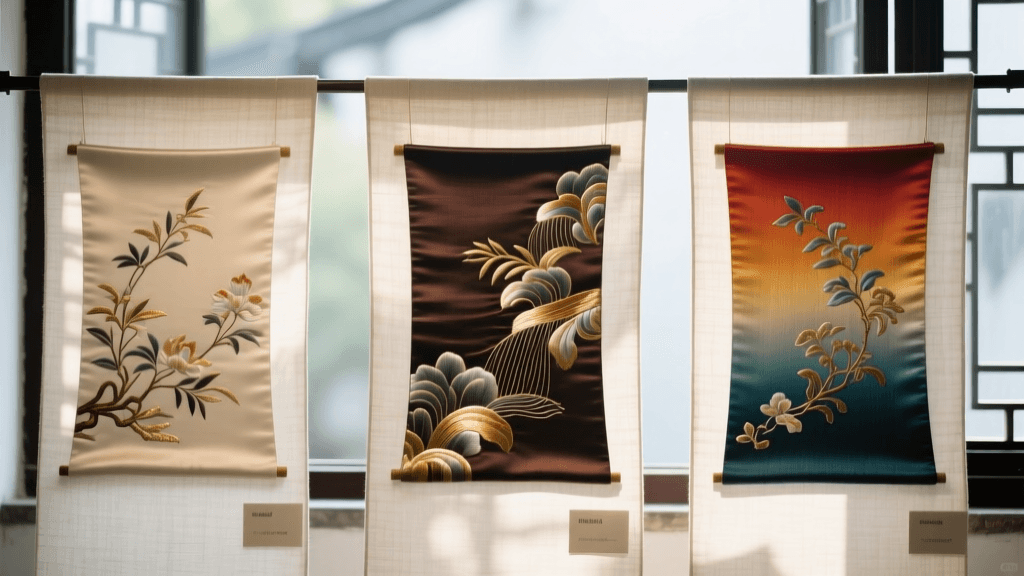
- Fabric Keywords: Always include 'mulberry silk' (Sangcan si), 'ramie' (Zhu ma), or 'cotton linen' (Mian ma) in your searches to filter out cheap Halloween-style costumes.
Mastering the Pibo (Silk Scarf)
No Xianxia costume is complete without the Pibo, a long, flowing silk stole draped over the arms. In dramas, the Pibo defies physics, staying perfectly in place during combat. In reality, it requires strategic styling. To keep your Pibo secure while walking through a modern city or attending a convention, use small, discreet safety pins to attach the drape to the shoulder seams of your inner garment. Alternatively, traditional jade or wooden toggles can be used to weigh down the ends, allowing the silk to hang elegantly without constantly slipping off your wrists.
Garment Care for Delicate Fabrics
Transitioning from synthetic drama costumes to natural-fiber Hanfu means adjusting your garment care routine. Mulberry silk and delicate embroidery require meticulous maintenance to preserve their luster and structural integrity.
"The philosophy of the Hanfu revival is not just about wearing the clothes, but respecting the craftsmanship and the history woven into the threads. Caring for your garments is an extension of that respect."
Always hand-wash silk Hanfu in cold water using a pH-neutral detergent specifically formulated for delicates. Never wring or twist the fabric; instead, gently press the water out and lay the garment flat on a clean towel to dry away from direct sunlight, which can cause natural dyes to fade. For ramie and linen, machine washing on a delicate cycle in a mesh laundry bag is generally acceptable, but air-drying is mandatory to prevent shrinkage. When ironing, use a low-heat setting and always place a cotton pressing cloth between the iron and the silk to prevent scorch marks.
Embracing the New Chinese Style (Xin Zhongshi)
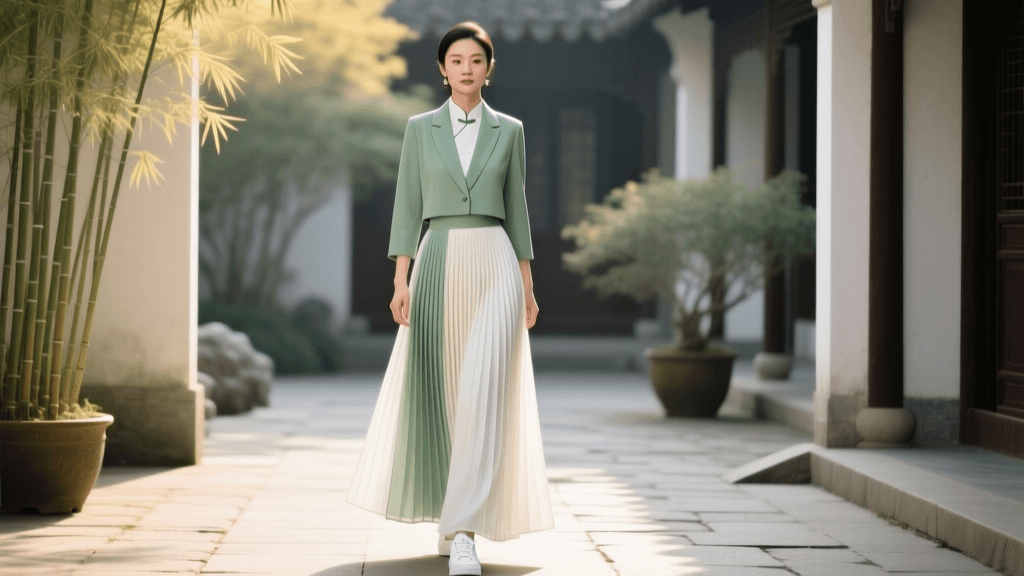
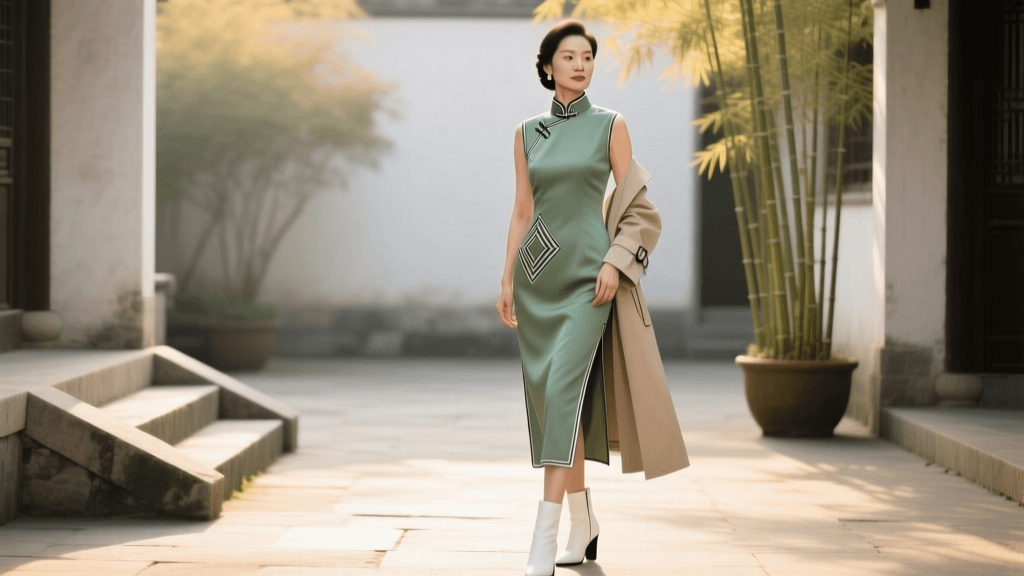
If full traditional Hanfu feels too elaborate for daily wear, consider integrating elements of the Xin Zhongshi (New Chinese Style) movement. This modern fashion trend blends traditional silhouettes with contemporary tailoring. You can pair a historically accurate Song Dynasty Beizi with modern wide-leg trousers or a simple midi skirt. By mixing the ethereal, drama-inspired outer layers with minimalist, modern basics, you create a sophisticated, culturally rich wardrobe that honors the past while firmly existing in the present. This approach allows you to channel the elegance of your favorite Wuxia protagonists in a way that is practical, stylish, and deeply authentic to the ongoing evolution of Chinese fashion.