Mastering Chinese Embroidery: Suzhou, Shu, and Cantonese Styles
The Legacy of Chinese Silk Embroidery
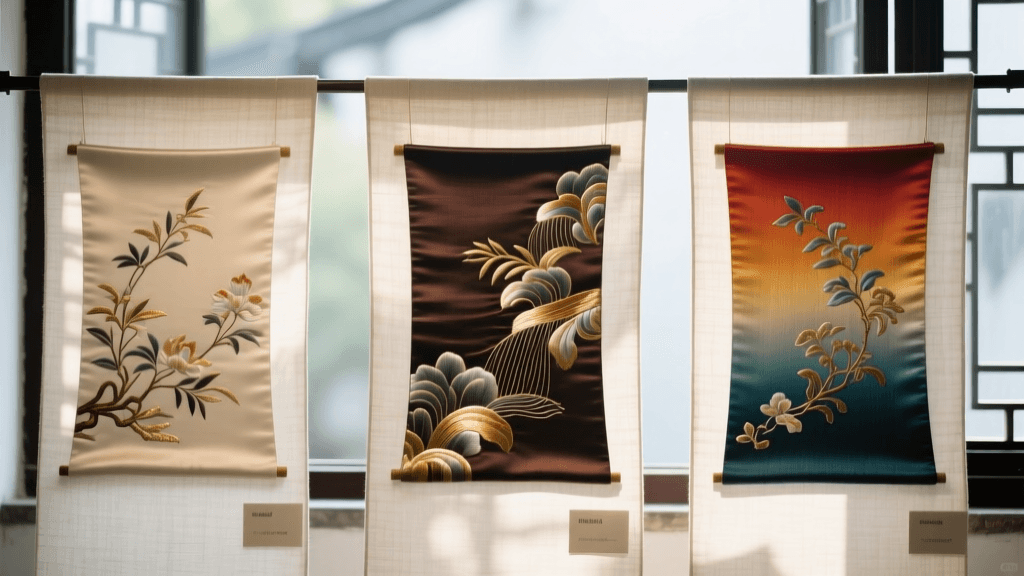
Chinese embroidery is far more than mere decoration; it is a profound visual language that communicates regional identity, social status, and philosophical beliefs. For modern Hanfu enthusiasts, textile collectors, and fashion historians, understanding the nuances of China's regional embroidery styles is essential. While the 'Four Major Embroideries of China' include Xiang (Hunan) and Su (Suzhou), this guide focuses deeply on the distinct techniques, motifs, and practical applications of Suzhou (Su Xiu), Sichuan (Shu Xiu), and Cantonese (Yue Xiu) embroidery. Recognized globally for their craftsmanship, these textile arts are deeply intertwined with the history of the Silk Road and traditional sericulture, a heritage so significant that traditional silk craftsmanship is safeguarded by UNESCO as Intangible Cultural Heritage.
Suzhou Embroidery (Su Xiu): The Pinnacle of Delicacy
Originating in the Jiangsu province, Suzhou embroidery is celebrated for its refined elegance, meticulous needlework, and photorealistic quality. The hallmark of Su Xiu is the artisan's ability to split a single silk thread into multiple microscopic strands—sometimes up to 1/48th of the original thread's thickness. This allows for imperceptible color gradients and seamless transitions.
Signature Techniques and Motifs
The most famous technique is 'Shuangmian Xiu' (double-sided embroidery), where the artisan stitches a design that is identical on both sides of a sheer silk canvas, with all knots and thread ends hidden within the stitches. Common motifs include koi fish, delicate florals like peonies and plum blossoms, and classical garden landscapes. The aesthetic philosophy follows four core principles: 'ping' (smooth), 'qi' (neat), 'xi' (delicate), and 'mi' (dense).
Application in Modern Hanfu
Su Xiu is best suited for lightweight, flowing garments such as Song Dynasty Beizi (long coats) and delicate summer Ruqun. Because the silk used is exceptionally fine, it drapes beautifully but requires careful handling. When commissioning a bespoke Hanfu piece, request Su Xiu for subtle, tone-on-tone collar and cuff embellishments to achieve an understated, aristocratic look.
Sichuan Embroidery (Shu Xiu): Boldness and Everyday Utility
Shu Xiu hails from Chengdu, Sichuan province, an area historically renowned for its rich satin and vibrant silk production. Unlike the delicate, ethereal nature of Suzhou embroidery, Shu Xiu is characterized by its bold colors, heavy texture, and practical durability. It has historically been the embroidery of the people, used not just for garments, but for quilts, screens, and everyday household textiles.
Signature Techniques and Motifs
Shu embroidery utilizes a unique stitching method called 'Tao Zhen' (overlapping stitches) which creates a distinct, slightly raised texture and a 'halo' effect around the motifs. The threads are typically thicker and less split than in Su Xiu, giving the final product a rich, three-dimensional quality. The most iconic motif of Shu Xiu is the giant panda, alongside carps, lotus flowers, and dramatic mountain landscapes. The color palette is striking, often relying on high-contrast reds, greens, and blacks.
Application in Modern Hanfu
Due to its durability and visual weight, Shu Xiu is the premier choice for heavy winter garments, structured outerwear, and the highly popular Ming Dynasty Mamianqun (horse-face skirt). The robust nature of the stitching holds up well on heavier brocades and wool-blend fabrics. If you are looking for a statement piece that can withstand frequent wear at outdoor Hanfu events or winter festivals, a Shu-embroidered Mamianqun is an excellent investment.
Cantonese Embroidery (Yue Xiu): Tropical Vibrance and Metallic Threads
Cantonese embroidery, originating from the Guangdong region (specifically Guangzhou and Chaozhou), is heavily influenced by the subtropical climate and the region's history as a major maritime trade hub. Yue Xiu is instantly recognizable by its lavish use of metallic threads, vibrant tropical colors, and dynamic, almost chaotic compositions that convey prosperity and joy.
Signature Techniques and Motifs
What sets Yue Xiu apart is the integration of gold and silver metallic threads, alongside unconventional materials like peacock feathers and horsehair, to create heavily padded, bas-relief effects. The 'Ding Jin' (nailing gold) technique involves laying metallic threads on the fabric surface and securing them with tiny, nearly invisible silk stitches. Motifs are deeply symbolic and auspicious: dragons, phoenixes, lychees, peacocks, and the 'hundred birds paying homage to the phoenix.' As noted by experts in Asian textile history, such as those at the Metropolitan Museum of Art's Asian Art collection, Cantonese textiles frequently feature these densely packed, auspicious symbols intended to ward off evil and attract wealth.
Application in Modern Hanfu
Yue Xiu is the undisputed king of ceremonial and wedding wear. The traditional Cantonese wedding dress, the 'Qungua' or 'Kwa', is entirely covered in dense, gold-and-red Yue embroidery. For modern Hanfu enthusiasts, incorporating Yue Xiu elements into a wedding Ming-style round-collar robe or a formal ceremonial jacket provides unparalleled grandeur. However, due to the metallic threads and heavy padding, these garments are stiff and should be reserved for special occasions rather than daily wear.
Comparative Analysis: Su, Shu, and Yue Embroideries
To help collectors and Hanfu stylists make informed decisions, the following table breaks down the core differences between these three legendary techniques.
| Feature | Suzhou (Su Xiu) | Sichuan (Shu Xiu) | Cantonese (Yue Xiu) |
|---|---|---|---|
| Primary Thread | Ultra-fine split silk | Thick, soft satin silk | Silk mixed with gold/silver metallics |
| Visual Texture | Flat, smooth, photorealistic | Slightly raised, textured halo | Heavily padded, bas-relief, 3D |
| Signature Motifs | Koi, delicate florals, gardens | Pandas, carps, lotus | Dragons, phoenixes, lychees |
| Color Palette | Soft, elegant, pastel gradients | Bold, high-contrast, vibrant | Rich reds, golds, tropical brights |
| Best Garment Use | Summer Beizi, sheer Ruqun | Winter Mamianqun, heavy cloaks | Wedding Qungua, ceremonial robes |
| Relative Cost | High (time-intensive splitting) | Moderate to High | Very High (metallic materials) |
Practical Guide: Sourcing, Authenticating, and Caring for Embroidered Hanfu
Navigating the market for authentic Chinese embroidery can be daunting, especially with the rise of advanced computerized machine embroidery. Whether you are buying a vintage piece or commissioning a new Hanfu, understanding the economics and care requirements is crucial.
Sourcing and Cost Expectations
- Machine Embroidery: Mass-produced Hanfu featuring computerized Su or Yue-style patterns typically range from $50 to $150. While visually appealing from a distance, the back of the fabric will show a messy web of interconnected threads, and the design will lack the subtle color gradients of handwork.
- Handmade Entry-Level: Genuine hand-embroidered collars, cuffs, or small appliques on Hanfu usually start around $300 to $500. These pieces will take a single artisan several weeks to complete.
- Master Artisan Commissions: A fully hand-embroidered Mamianqun or ceremonial robe by a recognized provincial-level inheritor of Shu or Su Xiu can cost anywhere from $3,000 to over $15,000, with wait times exceeding a year.
How to Authenticate Hand Embroidery
According to general textile conservation principles outlined by institutions like Britannica's comprehensive guides on embroidery, the true test of handwork lies in the reverse side of the fabric. Turn the garment inside out. Machine embroidery will have a uniform, dense underlay of bobbin thread connecting disparate parts of the design. Hand embroidery, particularly Su Xiu, will show distinct, individual stitch paths, and in the case of double-sided embroidery, the back will be nearly as flawless as the front. Additionally, look for 'thread painting'—the subtle blending of different colored threads within a single petal or scale, which machines struggle to replicate organically.
Care and Preservation
Proper care ensures these textile masterpieces survive for generations.
- Cleaning: Never machine wash or dry clean heavily embroidered silk. The chemicals in standard dry cleaning can tarnish Yue Xiu's metallic threads and strip the natural sericin from Su Xiu silk. Spot clean with a damp cloth and pH-neutral silk detergent, or consult a professional textile conservator.
- Storage: Do not hang heavily embroidered garments, as the weight of the Shu or Yue stitching will warp and tear the delicate silk base over time. Store them flat in a cool, dark environment.
- Protection: Wrap the garments in acid-free, unbuffered tissue paper. Avoid plastic bins, which trap moisture and encourage mold; instead, use breathable cotton storage boxes. Insert natural cedar blocks to deter moths without using harsh chemical repellents that could react with metallic dyes.
Conclusion
Whether you are drawn to the whisper-thin elegance of Suzhou silk, the bold, textured warmth of Sichuan satin, or the opulent, metallic grandeur of Cantonese threads, each embroidery style offers a unique window into China's diverse cultural landscape. By understanding these techniques, modern enthusiasts do more than wear a garment; they become active custodians of an ancient, living art form. As you build your traditional wardrobe, let the intricate stitches of Su, Shu, and Yue guide your choices, ensuring that every piece you acquire is not just clothing, but a wearable masterpiece of Asian heritage.