Xiangyunsha Silk: China's Intangible Heritage Fabric Guide
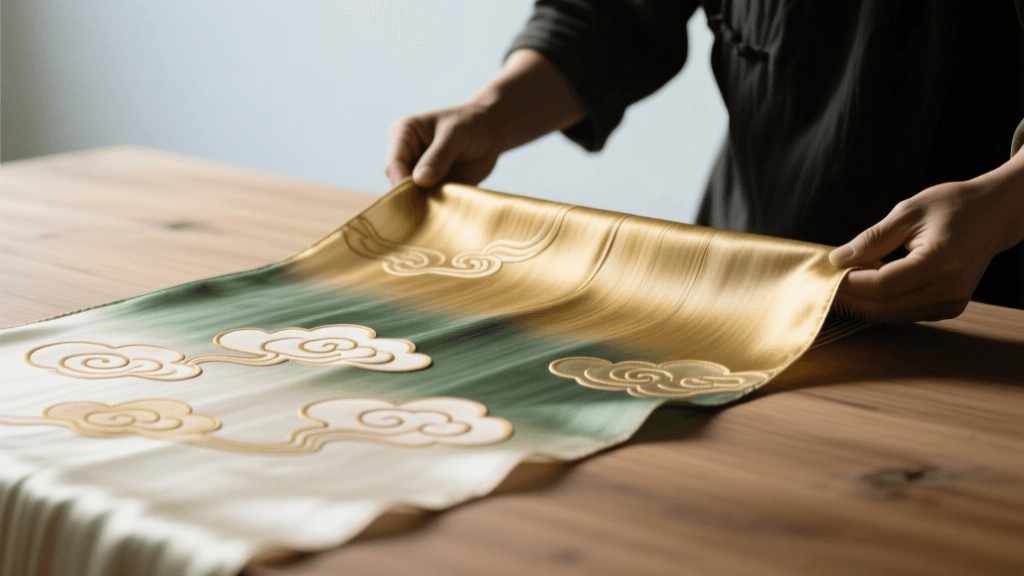
The Legacy of Xiangyunsha: China's 'Soft Gold'
Xiangyunsha (香云纱), often translated as gambiered Guangdong gauze or 'singing silk,' is one of the most prestigious and complex textile crafts in Chinese history. Originating in the Shunde and Nanhai districts of Foshan, Guangdong province, this luxurious fabric has been prized since the Ming and Qing dynasties. Today, it stands as a shining example of Chinese traditional crafts, officially recognized as a National Intangible Cultural Heritage. For enthusiasts of traditional Hanfu and historical Asian garments, Xiangyunsha represents the pinnacle of natural dyeing and structural elegance.
Historically, Xiangyunsha was the fabric of choice for wealthy merchants, scholars, and aristocrats in the Lingnan region. The hot, humid climate of southern China demanded textiles that were breathable, quick-drying, and cooling against the skin. Xiangyunsha's unique structural properties met these needs perfectly, while its deep, lustrous colors conveyed status and refinement. Unlike mass-produced modern silks, authentic Xiangyunsha is entirely dependent on the natural environment, the specific mineral composition of local river mud, and the painstaking manual labor of master artisans. As documented by the China Silk Museum, the preservation of these traditional dyeing techniques is vital for maintaining the historical accuracy and material culture of ancient Chinese fashion. The fabric is celebrated not just for its aesthetic beauty, but for its unique physical properties: it is naturally antibacterial, highly breathable, water-resistant, and becomes softer and more lustrous with age.
The Artisan Process: Mud, Sun, and Plant Dye
The creation of Xiangyunsha is a rigorous 14-step process that can only be executed between March and November, relying heavily on intense sunlight and specific humidity levels. The entire cycle takes approximately 15 to 20 days per batch, demanding immense physical endurance and meteorological intuition from the artisans.
1. The Plant Dye (Shoulang)
The foundation of the dye is the juice extracted from the tubers of the Dioscorea cirrhosa plant, locally known as shoulang. The raw silk fabric is repeatedly dipped into this tannin-rich juice and dried in the sun. This dipping and drying cycle is repeated up to 30 times, gradually turning the silk from stark white to a deep, rich reddish-brown. The tannins bind to the silk proteins, creating a colorfast base that will later react with the river mud.
2. The Mud Coating
The defining step of Xiangyunsha is the application of river mud. Artisans harvest iron-rich mud from the unpolluted bottom of specific local rivers in the early morning before the sun dries it out. This mud is evenly spread over the tannin-dyed silk by hand. A chemical reaction occurs between the iron ions in the mud and the tannins in the plant dye, creating a dark, lustrous black or deep brown coating on one side of the fabric. This step must be carefully timed; if left too long, the mud will stiffen and crack the silk fibers.
3. Washing and Final Drying
After the mud reaction, the fabric is washed in the river to remove excess dirt, then stretched on the grass for a final sun-drying phase. The result is a striking two-toned fabric: a glossy, dark exterior and a matte, warm brown interior. China's ongoing efforts to safeguard these complex, weather-dependent practices are reflected in their national registers and international commitments, as tracked by UNESCO's Intangible Cultural Heritage state profiles for China, which highlight the importance of protecting artisanal knowledge from industrial homogenization.
Practical Guide: Buying Authentic Xiangyunsha
Purchasing authentic Xiangyunsha requires an understanding of base fabrics, pricing, and visual identification. Because the dyeing process is applied to raw silk, the final texture, weight, and drape depend entirely on the weave of the base silk used. Buyers must select the appropriate base for their specific historical garment needs.
Fabric Comparison Chart for Hanfu Tailoring
| Base Silk Type | Weight (Momme) | Best Hanfu Application | Estimated Cost (USD/meter) |
|---|---|---|---|
| Habotai (Plain Weave) | 12 - 16 mm | Inner garments, lightweight summer linings, delicate sashes | $60 - $90 |
| Crepe de Chine | 16 - 19 mm | Tang/Song dynasty Ruqun, flowing skirts, everyday blouses | $90 - $140 |
| Heavy Satin / Guifei | 22 - 30 mm | Ming dynasty Aoqun (jackets), structured outerwear, winter layers | $150 - $280+ |
| Jacquard Brocade Base | 19 - 25 mm | Festival wear, formal Mamian skirts, ceremonial collars | $180 - $350+ |
How to Identify Authentic Xiangyunsha
- The Sound Test: Authentic Xiangyunsha is nicknamed 'singing silk.' When you rub the fabric between your fingers, it produces a distinct, crisp rustling sound, unlike the dull whisper of chemically treated imitation silks.
- Visual Two-Tone: Genuine gambiered gauze will always have a two-tone appearance. The mud-reacted side is dark (black or deep umber) and slightly textured, while the reverse side is a warm, matte brown. Imitations are often uniformly dyed black on both sides.
- The Smell: New authentic Xiangyunsha carries a faint, earthy scent reminiscent of dried grass and river clay. Fakes often smell of harsh chemical dyes or synthetic fixatives.
- Water Resistance: Due to the mud and tannin reaction, authentic Xiangyunsha is naturally water-resistant. A few drops of water will bead up on the dark side before slowly absorbing, whereas water instantly soaks into standard dyed silk.
Tailoring and Measurements: Working with Heritage Silk
When commissioning or sewing Hanfu from Xiangyunsha, you must account for the fabric's unique structural properties. Xiangyunsha has zero mechanical stretch and is prone to fraying at the cut edges, requiring specialized tailoring techniques.
Measurement Adjustments: Because the fabric does not stretch, you must add a minimum of 1.5 to 2 inches (4-5 cm) of ease to the bust and hip measurements for fitted garments like the Ming dynasty 'Ao'. For flowing garments like the 'Beizi', standard historical ease allowances apply, but the fabric's heavier drape means it will hang closer to the body than lightweight chiffons.
Pre-Washing and Shrinkage: Raw Xiangyunsha can shrink by 5% to 8% upon its first exposure to water. It is absolutely critical to steam-iron or gently hand-wash and air-dry the fabric before cutting your pattern pieces to prevent catastrophic shrinkage after the garment is assembled.
Needles, Thread, and Seam Finishes: Use fine microtex or sharp needles (size 60/8 or 70/10) to prevent snagging the delicate silk fibers. For thread, opt for 100% silk thread or high-quality long-staple cotton thread, which will move naturally with the fabric and prevent tension puckering along the seams. Never use raw, unfinished seams. Artisans and high-end tailors exclusively use French seams or bound seams (using silk bias tape) to enclose the raw edges. This prevents fraying and ensures the garment lasts for generations, honoring the artisan's labor.
Caring for Your Heritage Silk
Proper maintenance ensures that Xiangyunsha ages beautifully, developing a coveted patina known as 'opening the crack' (where the dark surface subtly softens to reveal hints of the brown underlayer, resembling antique leather or aged tortoiseshell).
- Washing: Hand wash only in cool water (below 30°C / 86°F) using a pH-neutral silk detergent or mild baby shampoo. Never use alkaline detergents, bleach, or enzyme-based cleaners, as they will strip the tannin-mud coating and ruin the fabric's water-resistant properties.
- Drying: Do not wring or twist the fabric. Gently press the water out by rolling the garment in a clean, dry cotton towel. Hang to dry in a shaded, well-ventilated area. Direct sunlight during the drying phase of a finished garment can cause uneven fading of the plant dyes.
- Ironing: Iron on the lowest silk setting while the garment is still slightly damp. Always use a cotton pressing cloth between the iron and the dark side of the fabric to prevent scorching or creating unnatural shine marks on the mud-coated surface.
- Storage: Store Xiangyunsha garments in breathable cotton or linen bags. Never use plastic dry-cleaning bags, as trapped moisture can cause mildew, which permanently stains the plant-dyed fibers. Keep away from direct sunlight and mothballs; use natural cedar blocks instead to protect the silk proteins.
Supporting Intangible Heritage Artisans
The survival of Xiangyunsha relies on consumer appreciation for slow fashion and traditional craftsmanship. The physical toll of the mud-coating process and the uncertainty of weather-dependent drying mean that true master artisans are aging, and fewer young people are entering the profession. By investing in authentic, ethically sourced Xiangyunsha, and seeking out verified heritage workshops in Guangdong, collectors and Hanfu enthusiasts directly fund the continuation of this magnificent Chinese textile tradition. When purchasing, always ask sellers for the origin of the fabric and look for certifications from recognized intangible cultural heritage workshops to ensure your investment supports genuine artisanal communities rather than mass-produced chemical imitations.