Hanfu in Chinese Scroll Art: Decoding Historical Style
The Sartorial Archives of Scroll Painting
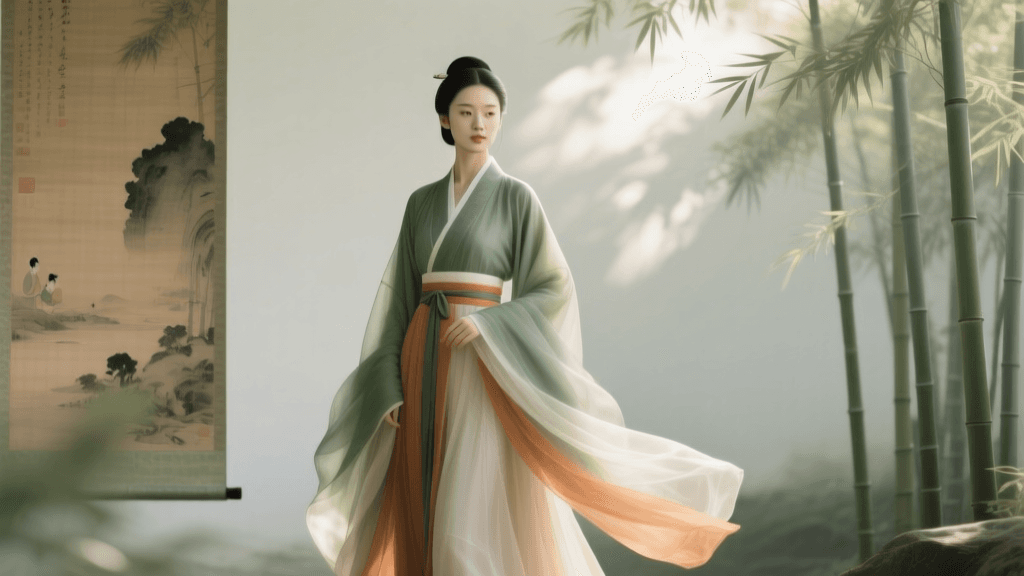
Chinese scroll paintings are far more than mere artistic expressions; they are meticulous historical archives that capture the evolution of traditional garments, textiles, and fashion customs across dynasties. For modern Hanfu enthusiasts and historical reenactors, masterpieces like Zhou Fang’s Court Ladies Adorning Their Hair with Flowers and Zhang Zeduan’s Along the River During the Qingming Festival serve as vital blueprints. These artworks reveal not just the cut and drape of ancient clothing, but the socio-cultural narratives woven into every silk thread. By studying these scrolls, we can decode the precise silhouettes, fabric weights, and color palettes required to authentically recreate historical Chinese fashion for modern wear, theatrical performances, or photography.
Tang Dynasty Opulence: Mastering the Qixiong Ruqun
The Tang Dynasty (618–907 CE) is celebrated for its cosmopolitan wealth and bold sartorial choices. According to the Metropolitan Museum of Art's Heilbrunn Timeline, this era was defined by an openness to foreign influences, which translated into voluminous, flowing garments. The most iconic silhouette depicted in Tang scroll art is the Qixiong Ruqun (chest-high skirt ensemble).
Actionable Styling Advice for the Qixiong Ruqun
In paintings, the skirts sit high above the bust, secured by wide, trailing sashes that create an elongated, statuesque profile. To replicate this without the garment slipping—a common modern frustration—follow these practical steps:
- The Silicone Grip Trick: Sew a 1-inch wide strip of anti-slip silicone tape along the inner top hem of the skirt. This anchors the silk against modern undergarments or a base Moxiong (tube top).
- The Double-Loop Knot: Do not rely on a simple bow. Wrap the sash around the chest twice before tying a flat square knot at the side or front. Tuck the trailing ends into the waistband to mimic the clean lines seen in Zhou Fang’s court ladies, or let them hang loosely for a more romantic, wind-blown scroll aesthetic.
- Measurements: For an authentic floor-pooling drape, the skirt length should be your height plus 4 to 6 inches. The hem should gently graze the ground, hiding the shoes entirely, just as depicted in imperial portraits.
Song Dynasty Restraint: The Elegance of the Beizi
Transitioning from the Tang to the Song Dynasty (960–1279 CE), scroll art reflects a philosophical shift toward Neo-Confucianism, emphasizing modesty, intellect, and understated elegance. The Beizi (a long, open-front outer jacket) became a staple for both men and women, frequently depicted in literati paintings and urban street scrolls.
Structuring the Song Silhouette
Unlike the expansive, rounded sleeves of the Tang, Song garments feature narrower, straighter cuts. To achieve the authentic scholar-official or refined lady look seen in scrolls like Along the River During the Qingming Festival:
- Sleeve Widths: Opt for a Beizi with sleeve openings between 40 cm and 60 cm. This allows for graceful hand movements without the excessive fabric pooling of earlier eras.
- Layering Protocol: The Beizi must be worn open to reveal the layers beneath. Pair it with a pleated Baiqun (hundred-pleat skirt) and a fitted inner top. The vertical lines of the pleats contrast beautifully with the straight, unfastened edges of the Beizi, creating the elongated, willowy silhouette prized in Song art.
- Collar Alignment: Ensure the inner collar sits precisely 1.5 inches above the Beizi collar. This subtle layering detail is heavily emphasized in Song portraiture to denote meticulous personal grooming.
Fabric Weight and Drape: Replicating the Painted Aesthetic
One of the most critical aspects of translating 2D scroll art into 3D reality is understanding fabric drape. The Metropolitan Museum of Art's essay on Silk in Chinese Art highlights how ancient weavers manipulated silk weights to achieve specific visual effects. Modern synthetic blends often fail to capture the fluid, heavy drape of historical mulberry silk, resulting in stiff, unnatural folds that ruin the photographic illusion of a living painting.
Fabric Selection Comparison Chart
| Fabric Type | Weight (Momme) | Drape Quality | Best Scroll Era Match | Estimated Cost (per yard) |
|---|---|---|---|---|
| Silk Charmeuse | 19mm - 22mm | Heavy, liquid, highly reflective | Tang Court Ladies | $35 - $55 |
| Silk Crepe de Chine | 16mm - 18mm | Matte, fluid, structured folds | Song Literati & Commoners | $25 - $40 |
| Silk Habotai | 8mm - 10mm | Lightweight, airy, sheer | Tang Pibo (Shawls) / Veils | $15 - $25 |
| Linen-Cotton Blend | N/A (Medium) | Stiff, crisp, textured | Song/Ming Working Class | $12 - $20 |
Pro Tip: If you are recreating a Tang dynasty Pibo (the long, flowing scarf draped over the arms), avoid heavy fabrics. Use an 8mm Silk Habotai or even a high-quality silk chiffon. The goal is to capture the 'wind-swept' ethereal quality seen in Buddhist murals and court scrolls, where the fabric appears to defy gravity.
Color Symbolism and Pattern Motifs
Color in Chinese scroll art was never arbitrary; it was deeply tied to the Five Elements theory and strict sumptuary laws. The British Museum's Chinese Art collection frequently notes the use of specific mineral pigments in paintings that directly mirrored the dyes used in elite textiles.
- Vermilion and Crimson: Reserved for high-ranking officials and imperial consorts. When styling a Tang court look, a deep crimson skirt paired with a gold-embroidered green jacket creates the high-contrast complementary color scheme beloved by Tang painters.
- Indigo and Celadon: Frequently seen in Song dynasty depictions of scholars and tea masters. These cool, muted tones reflect a connection to nature and intellectual pursuit. Use plant-dyed indigo cotton or raw silk to achieve the slightly uneven, organic shading seen in ink-wash paintings.
- Pattern Scale: Tang scrolls feature large, bold floral motifs (like the peony or lotus) spaced widely across the fabric. Song scrolls favor small, subtle, repeating geometric or botanical patterns. Match your textile print scale to your chosen dynasty to maintain historical integrity.
"To wear Hanfu is not merely to put on old clothes; it is to step into the physical space of a historical painting, embodying the posture, grace, and philosophy of the ancestors who first wore them."
Actionable Guide: Styling a Scroll-Inspired Photoshoot
Translating the aesthetic of a hand-painted scroll into a modern photograph requires deliberate styling, lighting, and posing. Here is a practical checklist for your next Hanfu photoshoot:
1. Lighting and Timing
Scroll paintings utilize flat, diffused lighting without harsh shadows. Schedule your shoot during the golden hour (the hour just after sunrise or just before sunset) or on an overcast day. Avoid direct midday sunlight, which creates high-contrast shadows that break the 2D painted illusion. Budget approximately $50-$100 if you need to rent a studio with large softbox diffusers.
2. Posing and Posture
Figures in Chinese scrolls rarely look directly at the viewer. They are captured in moments of quiet contemplation or gentle action.
- The Averted Gaze: Look slightly past the camera lens, focusing on a distant point. Lower your chin slightly to elongate the neck.
- Hand Placement: Hands should be relaxed but deliberate. Hold props like a round silk fan, a willow branch, or a jade flute. Keep fingers softly curved, never rigid.
- The 'S' Curve: Shift your weight to one leg and allow the heavy silk skirt to settle around your feet. This creates the gentle, swaying posture characteristic of court lady paintings.
3. Post-Processing for the 'Scroll' Effect
In editing software like Lightroom or Photoshop, reduce the 'Clarity' and 'Dehaze' sliders slightly to mimic the soft, fibrous texture of rice paper or silk canvas. Apply a subtle warm tone (hex #F5E6D3) to the highlights and desaturate the blacks to a deep charcoal grey rather than pure black, mimicking the fading of ancient mineral inks.
Conclusion
Decoding traditional clothing through the lens of Chinese scroll art transforms the act of wearing Hanfu from simple cosplay into a profound engagement with cultural heritage. By paying meticulous attention to the structural layering of the Qixiong Ruqun, the restrained elegance of the Song Beizi, and the precise weights of mulberry silk, modern enthusiasts can breathe life into the masterpieces of antiquity. Whether you are preparing for a cultural exhibition, a historical reenactment, or a personal photoshoot, let the ancient scrolls be your ultimate stylistic guide.