Hanfu Shopping Evolution: From Silk Markets to E-Commerce
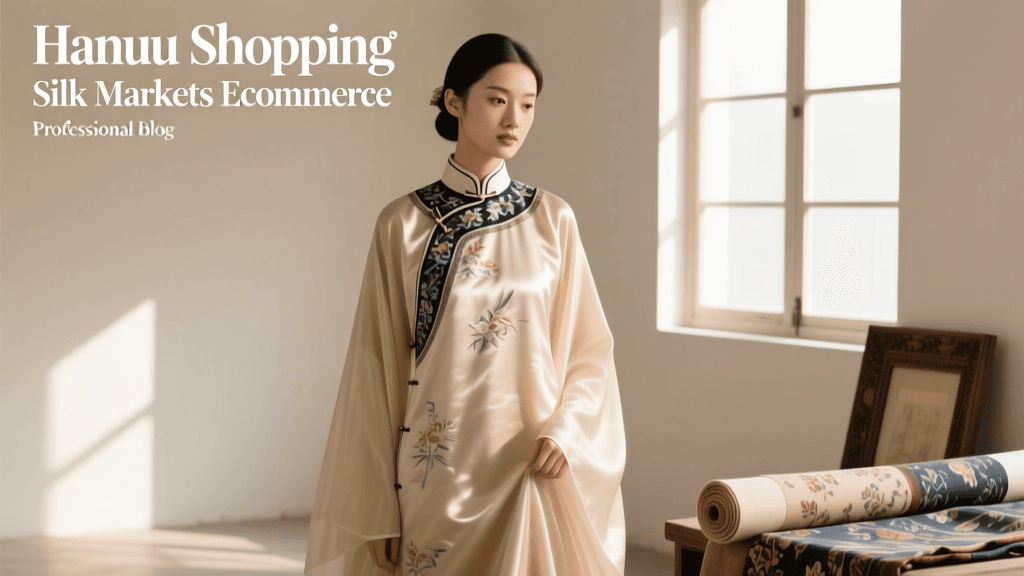
The Resurgence of Traditional Chinese Garments
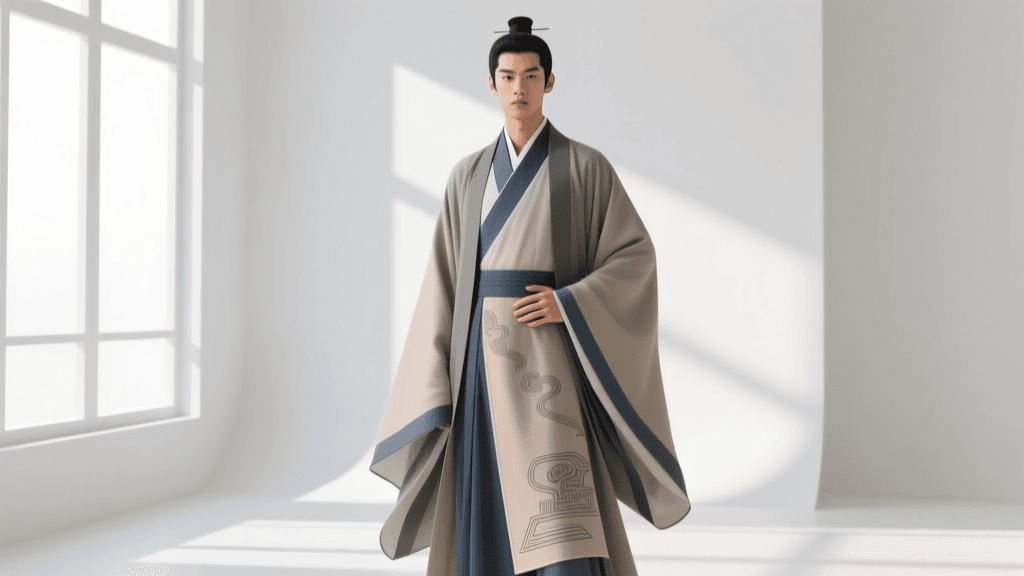
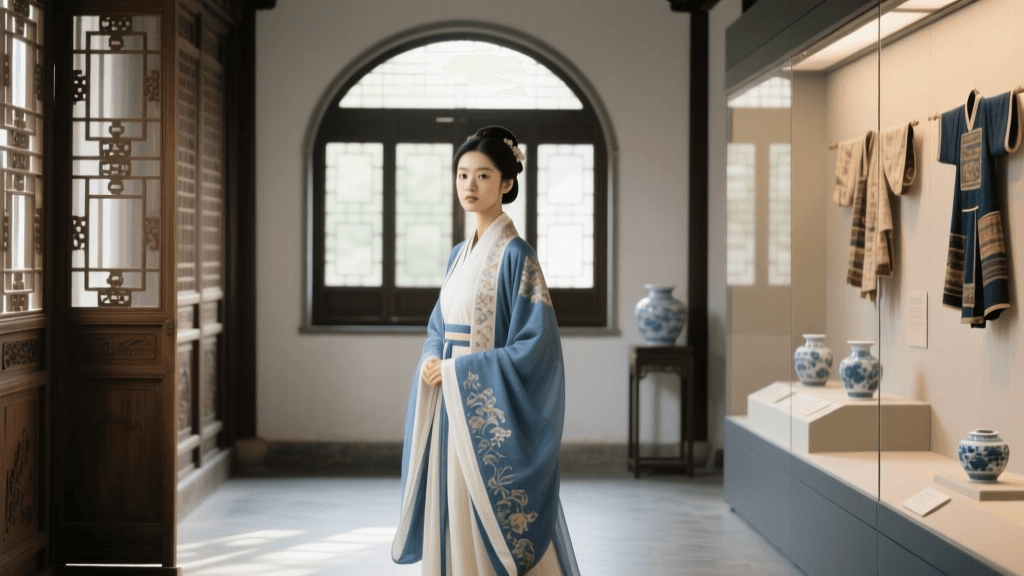
The sight of flowing sleeves, intricate embroidery, and meticulously pleated skirts has become increasingly common on the streets of Beijing, Shanghai, and Chengdu, as well as in global diaspora communities. This visual renaissance is driven by the modern Hanfu movement, a cultural phenomenon that has transformed traditional Chinese clothing from historical artifacts into everyday fashion. However, the way enthusiasts acquire these garments has undergone a radical transformation. The journey from navigating physical silk markets and relying on local tailors to clicking through global e-commerce platforms represents a massive shift in how traditional Asian textiles are produced, marketed, and consumed.
For modern consumers, cultural historians, and fashion enthusiasts, understanding this evolution is crucial. It not only provides insight into China's booming textile economy but also offers a practical roadmap for sourcing authentic, high-quality traditional garments in the digital age.
The Historical Marketplace: Sourcing Silk and Tailoring
Before the advent of digital storefronts, acquiring traditional Chinese clothing was an inherently localized and tactile experience. Historically, the procurement of garments like the Hanfu (traditional Han Chinese clothing) or the later Qipao was deeply tied to China's great silk-producing hubs, such as Suzhou and Hangzhou. As noted by the Metropolitan Museum of Art's Heilbrunn Timeline of Art History, Chinese silk production was a highly guarded, regionalized craft that dictated the flow of global trade via the Silk Road. For local consumers, purchasing a garment meant visiting bustling physical markets, selecting raw silk brocades or linens by the bolt, and negotiating directly with a tailor.
This bespoke process required a deep understanding of fabric drape, seasonal weight, and structural layering. Tailors would take precise measurements, not just of the body, but of the desired sleeve length (tongxiu) and collar overlap (jiaoling). The physical market was a place of sensory evaluation—buyers would rub fabrics between their fingers to test for the 'scroop' (the crisp sound and feel of high-quality silk) and hold dyes up to natural light to check for colorfastness. While this ensured unparalleled customization, it severely limited access for those living outside major textile hubs or outside of China entirely.
The Digital Shift: Taobao and the Hanfu Revival
The democratization of Hanfu began in the early 2000s, largely catalyzed by internet forums and the subsequent explosion of Chinese e-commerce. According to the documented history of the Hanfu Movement, early enthusiasts relied on niche message boards to share historical research, pattern drafts, and photos of museum artifacts. Because commercial Hanfu did not exist in mainstream malls, these early adopters had to commission independent tailors or learn to sew the garments themselves.
The launch and rapid growth of Taobao changed everything. It provided a platform for small, passionate studios to reach a national audience. What started as a grassroots effort to recreate historical clothing quickly evolved into a multi-billion-dollar e-commerce industry. Today, platforms like Taobao, Tmall, and international-facing sites like AliExpress and specialized independent websites host thousands of Hanfu merchants. This digital shift has standardized sizing, introduced mass-production techniques for historical weaves, and created a global supply chain that allows a buyer in New York or London to purchase a historically accurate Mamianqun (horse-face skirt) with a few clicks.
Actionable Guide: Purchasing Hanfu in the E-Commerce Era
Buying traditional Chinese garments online requires a different skill set than browsing Western fast fashion. The structural layering, unique sizing metrics, and production models of Hanfu studios demand specific knowledge. Here is your practical guide to navigating the modern e-commerce landscape for traditional Asian garments.
1. Mastering the Measurements
Unlike Western clothing that relies on standardized S/M/L sizing, authentic Hanfu is sold based on exact centimeter measurements. Because traditional garments are cut flat and wrapped, the fit is highly adjustable, but certain anchor points are non-negotiable:
- Xiongwei (Bust/Chest): Crucial for the Shangyi (upper garment) and Ao (jacket). Always measure over the undergarments you plan to wear.
- Yaowei (Waist): Measured at the natural waist, usually above the navel, where the skirt ties sit.
- Tunwei (Hips): Absolutely vital when purchasing a Mamianqun. If the hip measurement is too small, the signature flat front panels will split open when you walk.
- Tongxiu (Sleeve Length): Measured from the center back of the neck, over the shoulder, down to the wrist. Historical styles range from narrow sleeves to sweeping Pipa sleeves that extend past the hands.
2. Understanding Timing and the 'Yushou' Model
E-commerce Hanfu shopping operates on a unique timeline. While mass-market items are ready to ship, high-end independent studios utilize the Yushou (pre-order) model. Due to the complexity of custom jacquard weaving and hand-embroidery, placing a pre-order often means waiting 30 to 90 days for production. Actionable Tip: Plan your purchases around major seasonal festivals or events. To get the best deals on ready-to-wear stock, shop during Taobao's '618' festival (mid-June) or Singles' Day (November 11). For custom winter cloaks (Doupen) or heavy brocades, place your pre-orders in late summer to ensure delivery before the lunar new year.
3. Navigating Costs and Tiers
The price of Hanfu varies wildly based on fabric authenticity and production methods. Buyers should segment their budgets based on their needs:
- Mass-Market / Entry Level ($30 - $80 USD): Usually made from polyester blends or cotton. Excellent for beginners, daily wear, and travel. The pleats on mass-market Mamianqun are often heat-set rather than woven, requiring careful washing.
- Mid-Tier Studios ($100 - $250 USD): The sweet spot for enthusiasts. These studios use authentic jacquard looms to weave patterns directly into the fabric, and utilize natural fibers like linen, rayon, and mid-grade mulberry silk.
- High-End / Bespoke ($400 - $1,500+ USD): Reserved for intangible cultural heritage crafts. This tier includes genuine Xiangyunsha (gambiered Canton gauze), hand-loomed Song brocade, and intricate Suzhou embroidery.
Comparison Chart: Sourcing Traditional Garments
To help you decide where to invest your time and money, here is a structured comparison of the primary channels for acquiring traditional Chinese garments today.
| Sourcing Channel | Cost Range (USD) | Lead Time | Customization Level | Best Suited For |
|---|---|---|---|---|
| Physical Silk Markets (e.g., Suzhou, Beijing) | $150 - $1,000+ | 2 - 6 Weeks (Tailoring) | Maximum (Fully Bespoke) | Local residents, textile purists, and those seeking heirloom-quality bespoke tailoring. |
| Taobao / Tmall Mass-Market | $30 - $100 | 3 - 7 Days (Shipping) | None (Ready-to-Wear) | Beginners, cosplayers, and buyers needing immediate, budget-friendly options. |
| Independent Hanfu Studios (Online) | $120 - $500 | 30 - 90 Days (Pre-order) | High (Fabric/Color choices) | Dedicated enthusiasts, historical reenactors, and collectors of woven heritage fabrics. |
| Global E-Commerce (AliExpress / Etsy) | $50 - $200 | 14 - 30 Days (Shipping) | Low to Medium | International buyers without access to Chinese payment gateways or domestic shipping addresses. |
Navigating Fabrics and Avoiding 'Costume' Grade
The greatest challenge in the e-commerce era is distinguishing between historically inspired clothing and cheap 'costume' grade apparel. When browsing online listings, the translation of fabric terms can be misleading. The Victoria and Albert Museum's extensive Chinese textile collections highlight the historical importance of natural fibers and complex weaving techniques, standards that modern buyers should strive to emulate.
When shopping online, scrutinize the material composition charts. Avoid listings that simply say 'silk-like' or 'ice silk,' as these are almost always 100% polyester. Instead, look for specific, verifiable fabric terms:
- Mulberry Silk (Sangcansi): The gold standard for luxury Hanfu. Look for the 'momme' weight; 16-19 momme is ideal for flowing outer layers, while 22+ momme is better for structured jackets.
- Xiangyunsha (Gambiered Gauze): A highly prized, intangible heritage fabric from Guangdong, dyed with river mud and plant extracts. It is expensive, slightly stiff, and makes a distinct rustling sound. Authentic sellers will provide certificates of origin.
- Cotton-Linen Blends (Mianma): The most practical choice for Zhongyi (the inner undergarments worn beneath silk layers). Because traditional Hanfu lacks modern closures and relies on layering, the innermost layer must be breathable, washable, and absorbent to protect the expensive outer silks from body oils.
The Focus on the Mamianqun: A Case Study in E-Commerce Innovation
No discussion of modern Hanfu e-commerce is complete without mentioning the Mamianqun, or horse-face skirt. Characterized by its flat front and back panels with heavily pleated sides, this skirt was a staple of the Ming Dynasty. In the physical market era, creating the dense, uniform pleats of a Mamianqun required immense manual labor and fabric waste.
Today, e-commerce studios have revolutionized this process using modern computerized jacquard looms and high-temperature pleating machinery. This technological leap has allowed studios to weave intricate metallic motifs (like dragons, phoenixes, or floral vines) directly into the pleats, ensuring the pattern aligns perfectly even when the wearer moves. When buying a Mamianqun online, always check the 'pleat setting' method. Heat-set pleats on synthetic blends will hold their shape well in the rain but lack the luxurious drape of traditionally woven silk, which requires careful steaming and hanging to maintain its structure.
Conclusion: A Bridge Between Past and Future
The evolution of Chinese garment shopping from the bustling, tactile silk markets of antiquity to the algorithmic, global reach of modern e-commerce is a testament to the enduring appeal of traditional Asian aesthetics. While the medium of purchase has changed, the core appreciation for structural elegance, symbolic motifs, and textile mastery remains intact. By understanding historical sizing, respecting the pre-order production cycles of independent artisans, and learning to identify authentic heritage fabrics, modern consumers can actively participate in preserving these intangible cultural crafts. Whether you are sourcing a simple linen undergarment or commissioning a museum-quality brocade jacket, the digital marketplace has made the rich tapestry of Chinese sartorial history more accessible than ever before.