Top Hanfu Museums in China: A Cultural Exhibition Guide
Preserving the Threads of Antiquity: A Guide to China's Hanfu Museums
The global resurgence of Hanfu—traditional Han Chinese clothing—has sparked a profound interest in the historical, structural, and artistic foundations of Asian garments. While social media and modern e-commerce have popularized the wearing of these garments, the true soul of Hanfu resides in China's world-class museums and heritage sites. These institutions serve as vital time capsules, preserving fragile textiles, intricate weaving techniques, and the structural layering that defined ancient Chinese sartorial elegance.
For cultural tourists, textile enthusiasts, and Hanfu practitioners, visiting these museums offers an unparalleled opportunity to study authentic historical garments up close. This guide explores the most significant Hanfu and textile museums in China, providing actionable travel advice, exhibition highlights, and practical tips for navigating China's cultural heritage sites.
Must-Visit Hanfu and Textile Heritage Sites
1. Hunan Museum (Changsha): The Mawangdui Silk Marvels
The Hunan Museum is globally renowned for its Mawangdui Han Dynasty Tombs exhibition, which houses some of the most remarkably preserved ancient textiles ever discovered. The crown jewel for Hanfu enthusiasts is the susha danyi (plain gauze gown). This masterpiece of early Han dynasty tailoring features a cross-collar, right-lapel design with wide sleeves.
Specific Details: The gown measures 128 cm in length with a wingspan (sleeve-to-sleeve) of 190 cm. Astonishingly, it weighs a mere 49 grams—lighter than a modern smartphone. The museum's climate-controlled glass cases allow visitors to observe the ultra-fine silk gauze weaving techniques that modern artisans are still striving to perfectly replicate.
2. China National Silk Museum (Hangzhou): The Silk Road Epicenter
Located near the scenic West Lake, the China National Silk Museum is the largest silk museum in the world and a premier destination for understanding the material foundation of Hanfu. The museum's 'Silk Road' exhibition traces the evolution of silk from a closely guarded state secret to a global commodity.
Exhibition Highlights: Visitors can view restored Tang and Song dynasty textile fragments, showcasing the transition from heavy, patterned brocades to lighter, more fluid silks that influenced the draping of Hanfu skirts and robes. The museum also features a state-of-the-art textile conservation lab where you can watch specialists repair centuries-old garments using microscopic precision.
3. Chengdu Shu Brocade Museum (Chengdu): Intangible Heritage in Action
Shu brocade, originating in Sichuan province, is one of the most celebrated fabrics in Chinese history, frequently used for high-status Hanfu outerwear and structural sashes. The Chengdu Shu Brocade Museum is unique because it is a living heritage site. According to UNESCO's Intangible Cultural Heritage listings, traditional sericulture and silk craftsmanship are vital cultural practices, and this museum keeps the ancient wooden draw-loom techniques alive.
Actionable Advice: Arrive at 10:00 AM or 2:00 PM to catch the live weaving demonstrations. The rhythmic clacking of the massive wooden looms provides a sensory understanding of the immense labor required to produce a single yard of authentic Shu brocade.
4. The Capital Museum (Beijing): Imperial Elegance and Structural Layering
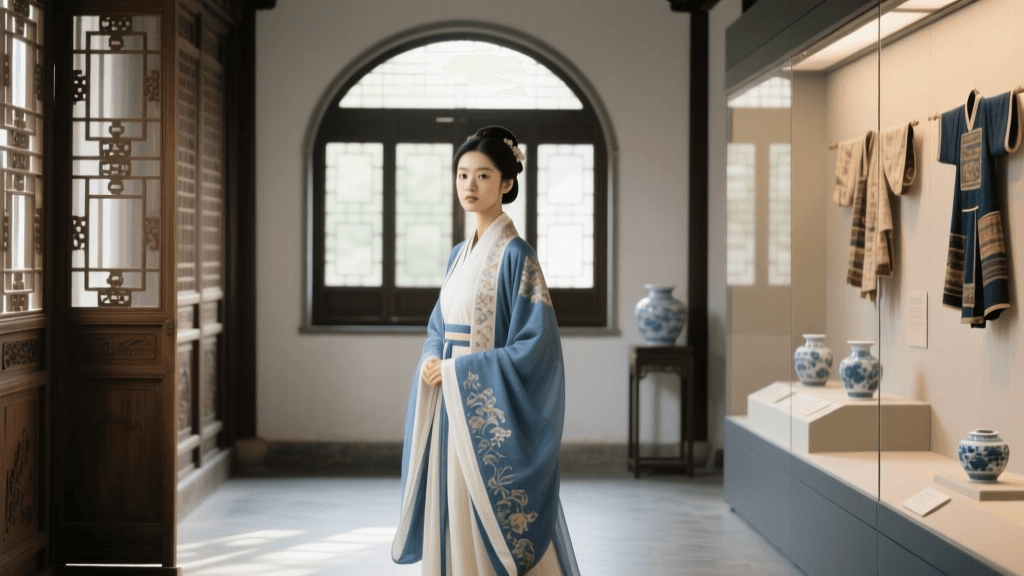
While Hanfu encompasses all Han dynasty-era clothing, the Capital Museum in Beijing offers a masterclass in the Ming dynasty iterations of traditional dress, which heavily influence modern Hanfu revival styles. The museum's textile galleries focus on the structural layering of garments, displaying complete ensembles including undergarments, middle layers, and heavy outer robes.
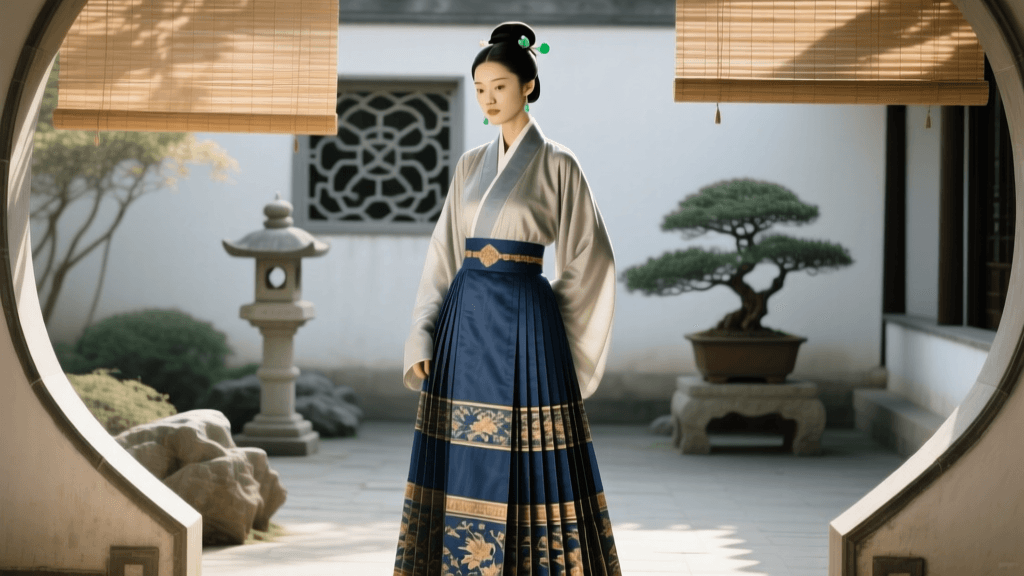
What to Look For: Pay close attention to the mamianqun (horse-face skirts) on display. The museum's lighting is specifically angled to highlight the intricate pleating and the woven gold threads (zhijin) that create the skirt's structural volume without the need for modern petticoats.
Museum Comparison & Visitor Data
| Museum Name | Location | Primary Focus | Admission Cost | Recommended Duration |
|---|---|---|---|---|
| Hunan Museum | Changsha, Hunan | Han Dynasty Tombs & Gauze | Free (Booking Required) | 3 - 4 Hours |
| China National Silk Museum | Hangzhou, Zhejiang | Silk Road & Conservation | Free | 2 - 3 Hours |
| Chengdu Shu Brocade Museum | Chengdu, Sichuan | Shu Brocade & Loom Weaving | ~60 RMB ($8 USD) | 1.5 - 2 Hours |
| The Capital Museum | Beijing | Ming/Qing Imperial Textiles | Free (Booking Required) | 3 - 4 Hours |
Practical Guide for Cultural Tourists
Booking and Ticketing Logistics
Most major state-run museums in China, including the Hunan Museum and the Capital Museum, offer free admission but strictly require advance reservations. You must book via the museum's official WeChat Mini-Program (Weixin Xiaochengxu) up to 7 days in advance. Foreign visitors will need to input their passport numbers exactly as they appear on their travel documents. For the China National Silk Museum, walk-ins are generally accepted on weekdays, but weekend slots fill up rapidly.
Photography and Etiquette
Textile artifacts are highly sensitive to light. Flash photography is strictly prohibited across all heritage sites to prevent the degradation of ancient dyes. Tripods and selfie sticks are also banned to protect the glass display cases and other visitors. When viewing the garments, take note of the curatorial mounts; museums often use specialized, padded mannequins that support the heavy structural layering of Hanfu without stressing the fragile shoulder seams.
Best Time to Visit
To avoid massive domestic tour groups, plan your visits for Tuesday through Thursday mornings. Arrive right at opening time (usually 9:00 AM). Avoid Chinese national holidays, particularly the Golden Week in early October and the Spring Festival, when museums reach maximum capacity and the quiet contemplation required for studying textile details becomes impossible.
Curatorial Details: What to Look For in the Exhibits
When examining historical Hanfu on display, train your eye on these foundational elements that define traditional Chinese garment construction:
- The Right Lapel (Jiaoling Youren): As noted by experts at the Metropolitan Museum of Art's Heilbrunn Timeline of Art History, the crossing of the collar to the right is a defining characteristic of Han Chinese dress, deeply rooted in ancient philosophical concepts of yin and yang. Always check the direction of the lapel on museum mannequins to understand authentic historical styling.
- Kesi (Cut Silk) Tapestry: Look for garments featuring Kesi weaving, a technique where the weft threads are cut and turned back at the edges of color blocks. This creates a highly detailed, almost painted effect on the fabric, often used for the rank badges (buzi) on Ming and Qing official robes.
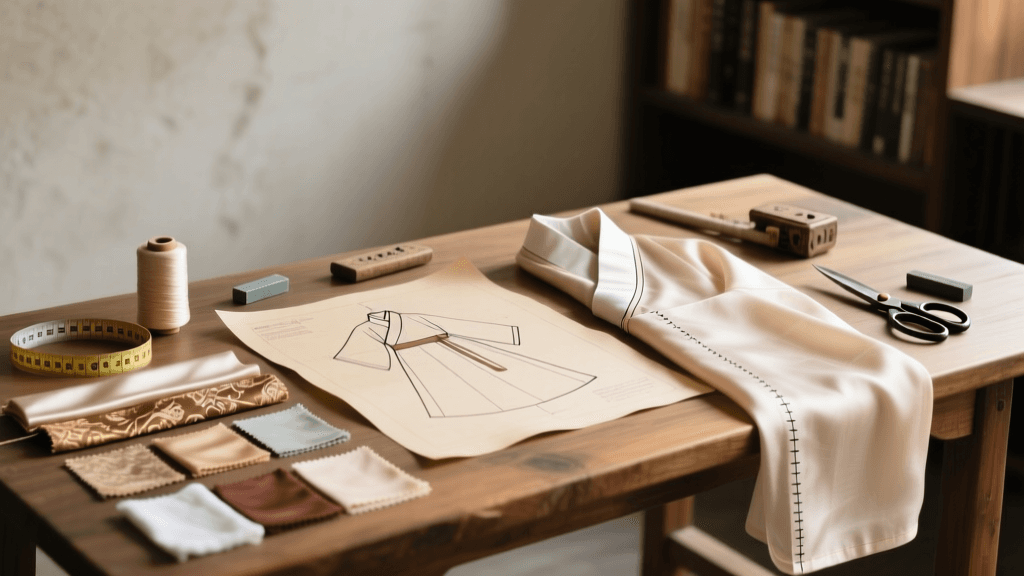
- Flat Cutting vs. Tailoring: Unlike Western historical garments that rely on darts and complex seaming to fit the body's contours, traditional Hanfu is cut from flat, rectangular pieces of woven fabric. Observe how the garments drape naturally over the museum forms, relying on belts, sashes, and the weight of the silk to create the silhouette.
Conclusion
Exploring China's Hanfu museums and textile heritage sites offers a profound connection to the artisans, weavers, and wearers of the past. By understanding the meticulous craftsmanship behind a 49-gram gauze gown or the rhythmic complexity of a Shu brocade loom, modern enthusiasts and designers can approach traditional Asian garments with a deeper, more informed reverence. Whether you are a historian, a fashion student, or a cultural traveler, these institutions provide the essential blueprint for the enduring legacy of Chinese sartorial art.