DIY Hanfu Guide: Pattern Drafting, Fabric Selection & Sewing
The Resurgence of Traditional Chinese Garments
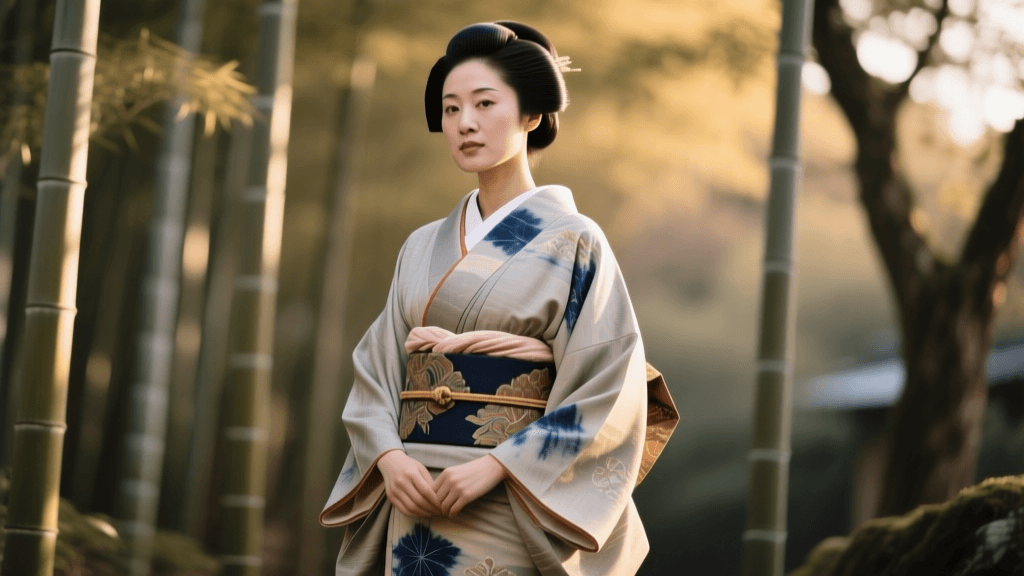
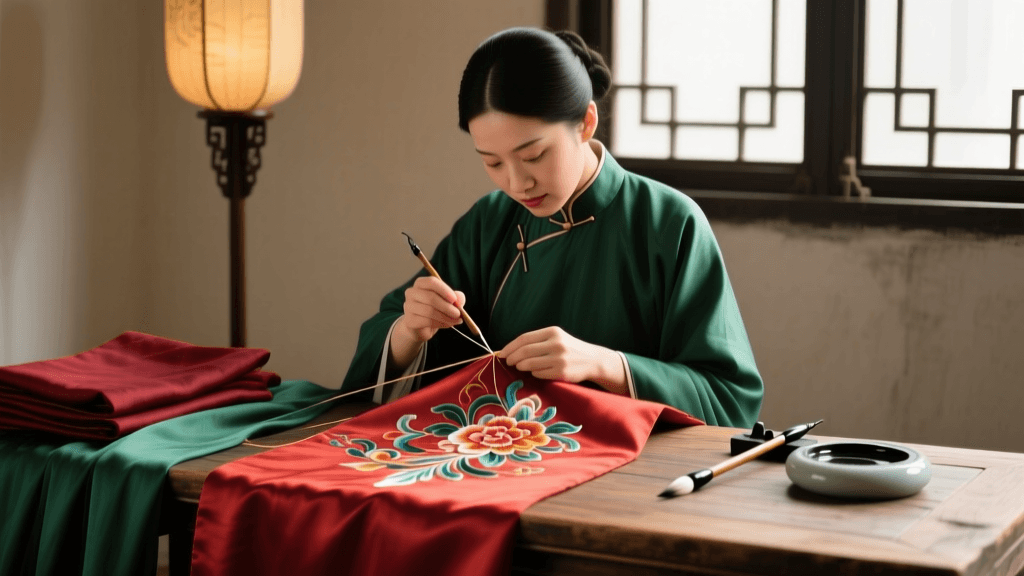
The global fascination with traditional Chinese clothing has sparked a massive revival in the DIY and sewing communities. Hanfu, the historical dress of the Han Chinese people, is no longer just a museum artifact or a costume rented for holidays. As noted by NPR, a passionate youth-led movement has brought these garments back into everyday life, street fashion, and international cultural festivals. For sewing enthusiasts, creating your own hanfu offers a deeply rewarding way to connect with history, master new garment construction techniques, and achieve a custom fit that mass-produced garments simply cannot match.
Unlike Western tailoring, which relies on darts, curved seams, and complex shaping to hug the body, traditional Chinese garment construction is rooted in the philosophy of Pingmian Caijian (flat pattern cutting). This guide will walk you through the essential silhouettes, fabric selection, pattern drafting, and sewing techniques required to craft your own authentic hanfu.
Understanding Core Hanfu Silhouettes
Before drafting patterns, it is crucial to understand the foundational silhouettes of hanfu. While styles evolved dramatically from the Han to the Ming dynasties, three core structures remain the most popular for modern DIY sewists:
- Ruqun (Top and Skirt): Consists of a short upper garment (ru) and a high-waisted or waist-level wrap skirt (qun). The Tang dynasty chest-high Ruqun is particularly iconic, featuring wide, flowing sleeves and a pleated skirt that sits just below the bust.
- Aoqun (Jacket and Skirt): Popularized during the Ming dynasty, this style features a longer, lined jacket (ao) with standing collars or crossed collars, paired with a voluminous Mamianqun (horse-face skirt). The Mamianqun is characterized by its flat front and back panels with heavily pleated sides.
- Shenyi (Deep Robe): A one-piece robe that wraps around the body, historically significant for its adherence to Confucian ritual dress codes. The Shenyi features a continuous upper and lower section sewn together at the waist, often with a characteristic curved hem.
Fabric Selection: Balancing History and Wearability
Choosing the right fabric is arguably the most critical step in hanfu construction. Historically, silk was the premier textile of China, with sericulture and silk weaving reaching unparalleled heights of artistry and technical complexity, as documented by Britannica. However, modern sewists must balance historical accuracy with budget, climate, and sewing skill level.
Below is a comparison chart to help you select the best fabric for your DIY hanfu project:
| Fabric Type | Historical Accuracy | Drape & Weight | Sewing Difficulty | Estimated Cost (per yard) | Best Used For |
|---|---|---|---|---|---|
| Silk Charmeuse / Crepe | Very High | Fluid, heavy drape | High (slippery) | $25 - $45 | Tang dynasty Ruqun, flowing sleeves, formal wear |
| 100% Linen | High | Crisp, breathable, structured | Medium | $15 - $28 | Summer everyday wear, Song dynasty Beizi, under-layers |
| Cotton Voile / Lawn | Medium | Lightweight, soft, semi-sheer | Low | $8 - $15 | Beginner projects, inner garments, casual skirts |
| Polyester Brocade | Low | Stiff, heavy, durable | Medium | $12 - $22 | Ming dynasty Aoqun jackets, winter outerwear, trims |
| Rayon / Viscose Challis | Low (Modern substitute) | Excellent drape, breathable | Medium | $10 - $18 | Budget-friendly flowing skirts, wide-sleeve tops |
Pro Tip: If you are sewing a Ming dynasty Mamianqun, avoid flimsy fabrics. The skirt requires structural integrity to hold its sharp, accordion-style pleats. A mid-weight cotton sateen, linen-cotton blend, or polyester brocade will yield the best results.
Pattern Drafting: The Flat Cutting Method
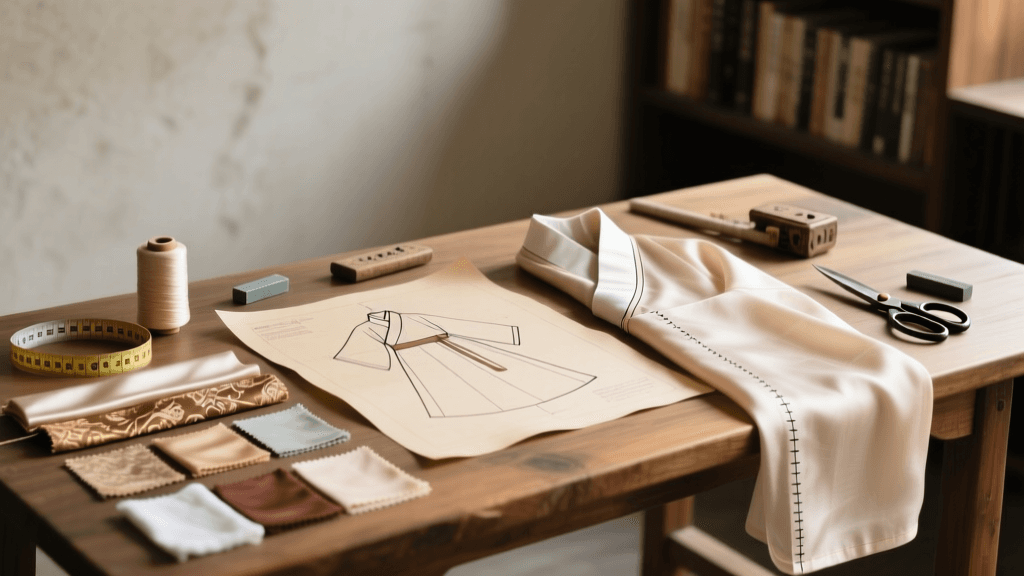
Western pattern drafting relies on the contours of the human body. Hanfu pattern drafting, conversely, treats the fabric as a two-dimensional canvas. The garment is cut in flat, geometric shapes and relies on the drape of the fabric and the wrapping of the body to create volume and shape.
Essential Measurements
To draft a basic crossed-collar top (Jiaoling Ru), you will need the following measurements:
- Shoulder Span: Measured from the edge of one shoulder to the other, plus 2-4 inches for the traditional dropped-shoulder look.
- Sleeve Length: Measured from the center back of the neck to the desired wrist or fingertip length. Traditional wide sleeves often extend past the hands.
- Bust/Chest: Used to calculate the width of the front and back panels. Remember to add significant ease (at least 4-6 inches) for the overlapping wrap front.
- Garment Length: From the base of the neck to the desired hemline (usually hip-level for a Ru, or knee-level for an Ao).
Drafting the Geometry
The basic top is drafted using a simple T-shape. The front and back are often cut as a single continuous piece folded over the shoulder line, eliminating the shoulder seam entirely. The sleeves are cut as separate rectangles and sewn to the straight edge of the body panel. This results in a distinctive underarm gusset or a wide, open underarm seam that provides ease of movement without curved armholes.
Constructing the Crossed Collar (Jiaoling Youren)
The hallmark of most hanfu is the Jiaoling Youren—the crossed collar with the left lapel wrapping over the right. This design is deeply rooted in ancient Chinese philosophy, representing the triumph of life (left/Yang) over death (right/Yin). Wrapping the garment right-over-left was strictly reserved for funerary garments and the deceased.
Step-by-Step Collar Attachment
- Cut the Collar Bands: Cut two long, bias-grain or straight-grain strips of fabric, typically 3 to 4 inches wide (finished width of 1.5 to 2 inches).
- Attach the Inner Collar: Pin the first strip to the right front panel and the back neckline. Sew with a 3/8-inch seam allowance, stopping precisely at the center front edge.
- Attach the Outer Collar: Pin the second strip to the left front panel, overlapping the inner collar at the center front. This strip will extend all the way down to the hem, acting as both the collar and the front placket.
- Finish the Edges: Fold the raw edges of the collar bands inward, encasing the seam allowances, and slip-stitch or topstitch them down for a clean, invisible finish.
Project Spotlight: Sewing a Song Dynasty Beizi
For beginners, the Song dynasty Beizi (an open-front, long-sleeved jacket) is the perfect entry point into hanfu sewing. It is elegant, forgiving in its fit, and requires minimal complex wrapping. As highlighted by CNN Style, the minimalist and layered aesthetics of the Song dynasty have become particularly influential in modern, everyday hanfu styling due to their sophisticated, understated elegance.
Construction Steps:
- Cut the Panels: Cut a back panel and two front panels. The Beizi features side slits that start at the waist or hip and go all the way to the hem.
- Shoulder Construction: Unlike the folded T-shape, many modern reproductions of the Beizi use a center back seam and shoulder seams to conserve fabric. Sew the shoulders and attach the rectangular sleeves.
- Side Seams and Slits: Sew the side seams from the underarm down to the slit point. Backstitch securely at the slit point to prevent tearing.
- Hem the Slits: Fold the raw edges of the slits inward twice and blind stitch them. This creates a clean finish that looks beautiful when the jacket moves.
- Add the Collar: Attach a straight, narrow collar band around the neckline, extending it down the center front edges all the way to the hem.
Essential Tools and Finishing Techniques
To achieve a professional, historically respectful finish, your sewing toolkit should include:
- Silk Pins and Microtex Needles: Essential for preventing snags and runs when working with delicate silk charmeuse or lightweight rayon.
- Walking Foot: Crucial for sewing the Mamianqun. When feeding multiple layers of pleated fabric through the machine, a walking foot ensures the top and bottom layers feed evenly, preventing the pleats from shifting.
- Tailor’s Clapper: A wooden tool used to press seams flat. When working with linen or thick brocades, applying steam and then pressing down with the clapper sets the seam beautifully without creating a shiny mark on the fabric.
Because many traditional hanfu garments are unlined (especially summer Ruqun), interior finishing is just as important as the exterior. French seams are the gold standard for hanfu construction. They enclose all raw edges within the seam itself, providing a clean, durable finish that mimics the meticulous hand-sewing of historical garments. For hems, a traditional rolled hem or a wide, hand-stitched blind hem preserves the fluid drape of the skirt without the stiffness of machine topstitching.
Conclusion
Sewing your own hanfu is a journey through centuries of textile history and cultural philosophy. By embracing the flat-cutting method, respecting the geometry of the crossed collar, and thoughtfully selecting your fabrics, you can create garments that are not only beautiful but deeply meaningful. Whether you are crafting a breezy linen Beizi for a summer tea ceremony or a structured silk Mamianqun for a winter festival, the DIY hanfu community offers endless inspiration, pattern-sharing resources, and support for sewists at every skill level.