Edo Period Kimono Fashion: History and Modern Styling Guide
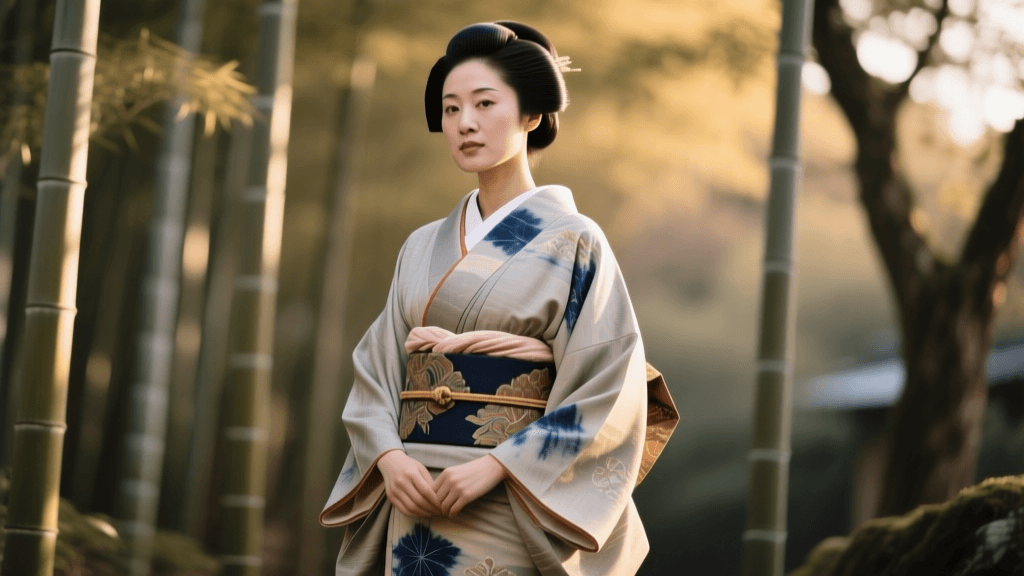
The Edo period (1603–1867) represents a watershed era in the history of Asian traditions, particularly within the realm of Japanese fashion. Under the rule of the Tokugawa shogunate, Japan experienced over two and a half centuries of unprecedented peace, economic growth, and cultural flourishing. This stability allowed for a profound shift in social structures, which was vividly reflected in sartorial choices. While earlier historical periods reserved the most elaborate textiles and complex layering for the imperial court, the Edo period saw the rise of the merchant class (chonin), who became the primary patrons of fashion and the arts. This era birthed the modern kimono as we know it today, transforming the humble kosode from a simple undergarment into a breathtaking canvas of artistic expression. Understanding Edo period kimono fashion is essential for any enthusiast of Asian traditions, as it established the foundational rules of silhouette, textile artistry, and seasonal dressing that persist in contemporary Japanese culture.
The Historical Shift: From Heian Aristocracy to Edo Merchants
To fully appreciate the Edo dynasty's fashion revolution, one must look back to the Heian period (794–1185). Heian aristocrats famously wore the junihitoe, a twelve-layered ensemble of staggering weight and complexity, where color combinations at the sleeves and hems conveyed poetic and seasonal meanings. However, as the samurai class took military and political power in the subsequent Kamakura and Muromachi periods, practicality demanded a simpler, more mobile wardrobe. The kosode (meaning 'small sleeves'), originally worn as a plain silk undergarment by Heian nobles, gradually became the primary outer robe for the warrior class and commoners alike.
By the time the Edo period began, the kosode had firmly evolved into the principal garment for both men and women across all social classes. According to the Metropolitan Museum of Art, the structural standardization of the kosode during the Edo period laid the groundwork for the modern kimono. It was characterized by its T-shape, straight seams, and lack of darts or tailoring to the body's curves, shifting the decorative focus entirely to the surface design of the textile rather than the cut of the garment itself.
Anatomy of the Edo Kosode and the Expanding Obi
The physical construction of the Edo kosode was dictated by the tanmono, the standard bolt of fabric. A traditional tanmono measures approximately 36 to 38 centimeters in width and 12 meters in length. Because the fabric was woven to this exact dimension, the kosode was constructed using straight cuts with minimal waste, a testament to early sustainable fashion practices that are still revered today. The standard kimono width spans roughly 68 to 72 centimeters when laid flat, accommodating a wide range of body types through the wrapping and folding technique known as kitsuke.
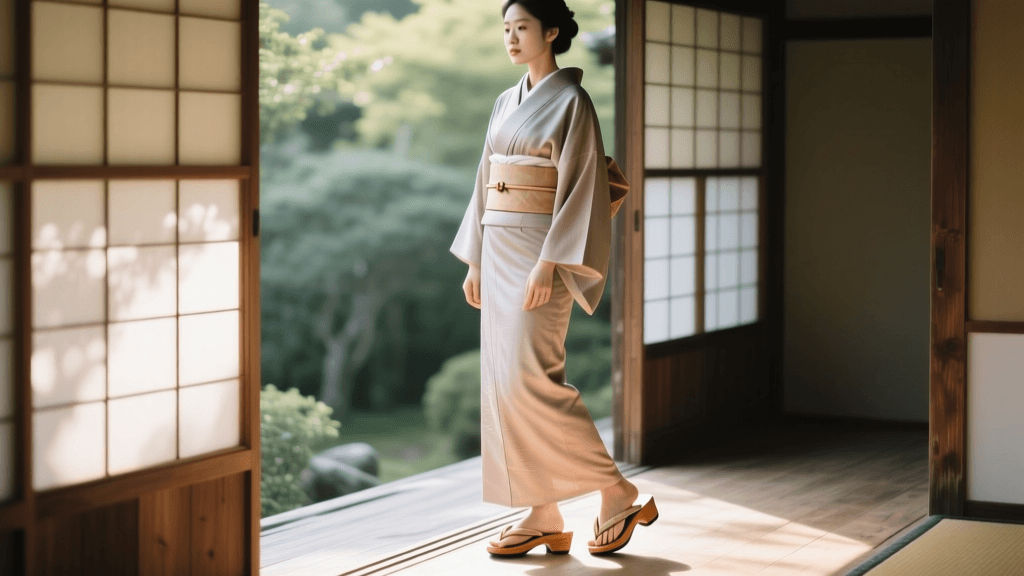
Perhaps the most dramatic evolution during the Edo period was the transformation of the obi (sash). In the early 1600s, the obi was a narrow, functional cord used simply to keep the kosode closed. However, as textile techniques advanced and the merchant class accumulated immense wealth, the obi widened significantly to showcase intricate weaving and dyeing. By the late Edo period, the obi had grown to over 30 centimeters in width, transitioning from a functional tie to a massive, decorative centerpiece. This shift also necessitated the movement of the knot from the front of the body to the back, establishing the modern aesthetic of the kimono silhouette and allowing the front panels to remain unbroken for continuous artistic motifs.
Sumptuary Laws and the Subversive Aesthetic of 'Iki'
The Tokugawa shogunate enforced strict sumptuary laws to maintain a rigid social hierarchy, frequently banning the wealthy merchant class from wearing ostentatious colors, lavish silk weaves, or large-scale tie-dye patterns that were reserved for the samurai and aristocracy. However, the chonin circumvented these restrictions through the aesthetic concept of iki (subdued, understated elegance). Instead of flashy exteriors, merchants invested in the ura-jiro (hidden luxury) trend, lining their subdued outer garments with the most exquisite, vibrantly dyed silks.
'True elegance in the Edo period was not found in shouting to the world with gaudy colors, but in whispering to those close enough to notice the exquisite silk lining hidden beneath a somber exterior.' — Principle of Iki
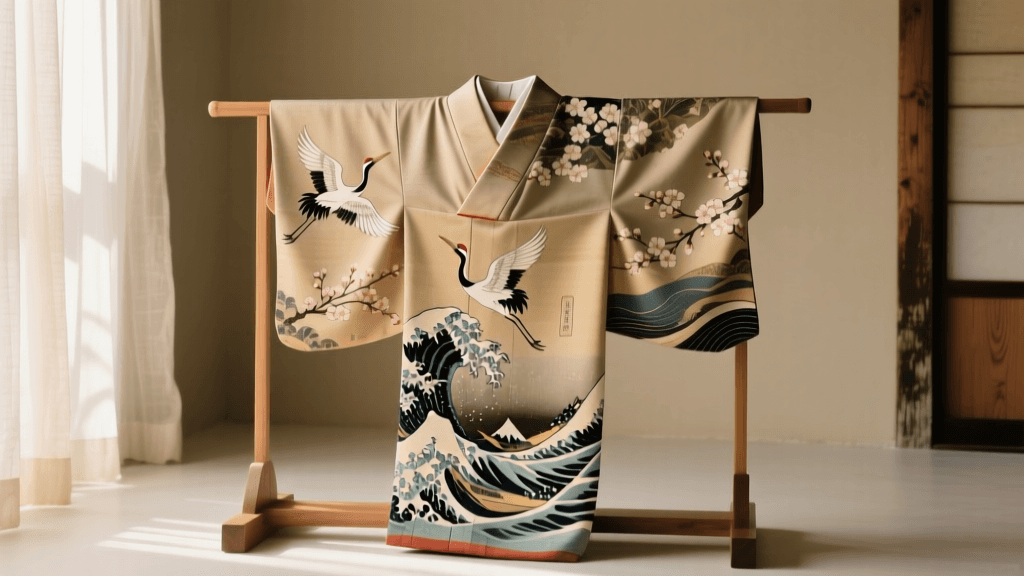
They also championed Komon, an incredibly micro-patterned dyeing technique that appeared solid from a distance but revealed intricate, complex motifs upon close inspection. As noted by the Victoria and Albert Museum, this cat-and-mouse game between government censors and fashionable citizens drove unprecedented innovation in Japanese textile arts, particularly in the development of resist-dyeing techniques like Yuzen, which allowed for painterly, multi-colored designs on silk.
Edo Textile Techniques and Modern Market Guide
The Edo period was a golden age for textile innovation. Many of the techniques perfected during this dynasty remain highly sought after by collectors and practitioners today. Below is a structured comparison of key Edo-era textile methods, alongside their modern market availability and estimated costs for authentic or high-quality reproduction garments.
| Technique | Historical Edo Use | Modern Market Availability | Estimated Cost (USD) |
|---|---|---|---|
| Yuzen Dyeing | Elaborate pictorial designs for wealthy merchants | Widely available in modern formal kimono | $1,500 - $8,000+ |
| Komon | Micro-patterns to bypass sumptuary laws | Common for everyday and tea ceremony wear | $300 - $1,200 |
| Shibori | Tie-dye, restricted by class laws | Highly prized vintage and artisan pieces | $500 - $3,000 |
| Nishijin Weaving | Luxurious brocades for aristocracy and obi | Standard for high-end Fukuro and Maru obi | $800 - $5,000 |
Actionable Guide: Sourcing, Measuring, and Styling Edo-Style Garments
For modern collectors, kimono practitioners, and cultural enthusiasts, acquiring and styling garments that reflect Edo period sensibilities requires specific knowledge of measurements, product types, and market timing. Here is a practical guide to building an Edo-inspired wardrobe today.
- Measurements & Fit: When sourcing vintage or modern kimono, pay attention to the yuki (sleeve length measured from the center back seam to the wrist). A standard modern yuki is around 64-68cm, but Edo and early Meiji period garments often feature shorter yuki measurements (58-62cm) due to the historically shorter average height of the Japanese populace. Always measure your own yuki and compare it to the garment's listed dimensions. The width of the body panels should comfortably wrap around your hips with at least 20cm of overlap at the front.
- Product Names & Selection: To emulate the sophisticated merchant class, look for Komon (fine-patterned silk) or Tsumugi (silk pongee, a textured, matte fabric that was historically favored by samurai and merchants for its durability and understated elegance). For the outer jacket, seek a vintage Haori. Originally popularized by geisha in the late Edo period to add warmth and style without violating sumptuary laws, a silk haori worn open over a plain kimono perfectly captures the 'iki' aesthetic.
- Sourcing & Costs: Authentic late-Edo or early-Meiji transition pieces can be found at specialized antique dealers in Kyoto or through reputable online auction houses. Expect to pay between $150 and $500 for a wearable vintage Komon or Tsumugi kimono, and $300 to $800 for a heavily brocaded vintage Maru obi. Modern, newly commissioned Yuzen silk kimono from master artisans in Kyoto or Kanazawa will cost upwards of $3,000 to $10,000, reflecting the hundreds of hours of hand-painting and gold-leaf application.
- Timing for Bespoke Orders: If you are commissioning a modern reproduction of an Edo-style garment using traditional Yuzen dyeing, be prepared for a timeline of 4 to 8 months. The process involves multiple artisans: the designer, the resist-paste applicator, the dyer, and the embroiderer. The best time to visit Kyoto to source vintage textiles and meet with artisans is during the spring (March/April) or autumn (October/November) when the city hosts major antique fairs and the weather is conducive to wearing layered silk.
- Styling the Obi: To honor the Edo transition, avoid the pre-tied 'tsuke-obi' (clip-on sashes) which lack historical authenticity. Instead, learn to tie a Nagoya obi (a simplified, 30cm wide sash invented in the 1920s but rooted in Edo practicality) for everyday wear, or a Fukuro obi (the modern equivalent of the formal Edo Maru obi) for ceremonial occasions. The otaiko (drum) knot is the most historically respectful and versatile choice for married women, while a simple bunko (bow) knot is appropriate for younger, unmarried women.
Conclusion
The Edo period was not merely a time of political isolation; it was an incubator for Japanese aesthetic philosophy and textile mastery. The transition from the layered aristocracy of the Heian period to the refined, subversive elegance of the Edo merchant class gave us the modern kimono and obi. As highlighted by the Smithsonian National Museum of Asian Art, the garments of this era are more than just clothing; they are wearable archives of Japanese history, reflecting the social tensions, artistic triumphs, and enduring cultural values of the time. By understanding the history, measurements, and styling nuances of Edo period fashion, modern enthusiasts can wear these garments not just as costumes, but as living continuations of a profound Asian tradition.