Decoding Kimono Fashion Trends in Ukiyo-e Woodblock Prints
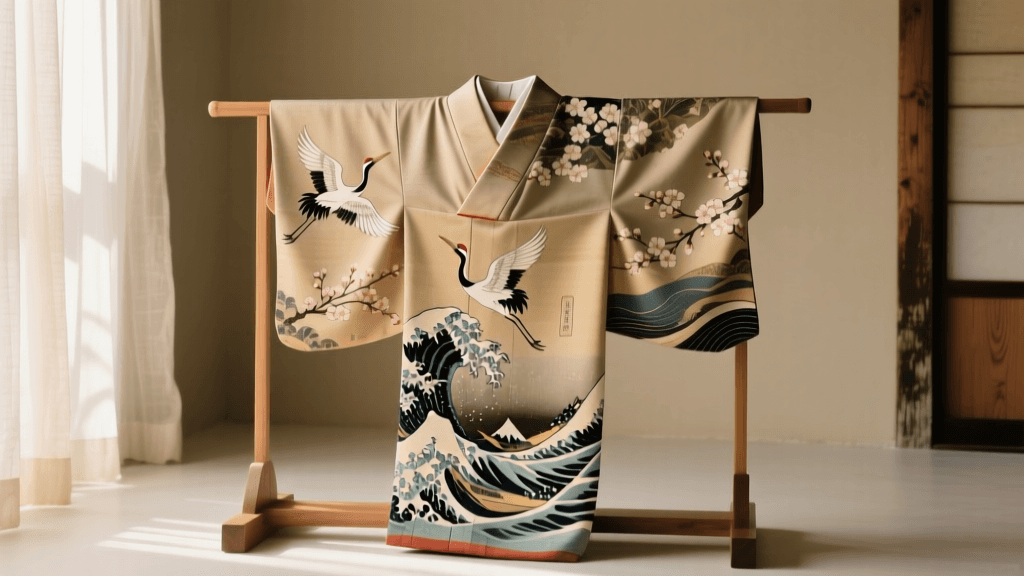
The Floating World’s Runway: Ukiyo-e as Fashion Media
During the Edo period (1603–1867), Japan experienced an unprecedented cultural and economic boom under the Tokugawa shogunate. As the merchant class (chonin) amassed wealth, they channeled their resources into the arts, theater, and fashion, giving rise to the ukiyo or “floating world.” This vibrant urban culture was immortalized in ukiyo-e woodblock prints, which functioned as the era’s equivalent of high-fashion magazines. According to the Metropolitan Museum of Art’s Heilbrunn Timeline of Art History, these mass-produced, affordable prints allowed commoners to participate in the latest trends dictated by kabuki actors and celebrated courtesans.
For modern enthusiasts, historians, and collectors, ukiyo-e offers a meticulous visual archive of traditional Japanese garments. The bijinga (pictures of beautiful women) genre, pioneered by masters like Kitagawa Utamaro and Suzuki Harunobu, provides an extraordinary level of detail regarding kimono layering, textile patterns, and seasonal motifs. By learning to decode these prints, we can trace the evolution of the kosode (the precursor to the modern kimono) and understand the strict sartorial rules that governed Edo society.
Decoding Key Kimono Motifs in Woodblock Prints
In traditional Japanese dress, motifs were never merely decorative; they were a complex visual language communicating the wearer’s seasonality, age, marital status, and literary sophistication. Ukiyo-e artists meticulously documented these motifs, often collaborating with publishers to ensure the latest textile designs were accurately reproduced. When examining a woodblock print, identifying the flora, fauna, and geometric patterns on the garment can tell you exactly what time of year the scene depicts and the social standing of the subject.
Below is a structured guide to the most prominent kimono motifs found in ukiyo-e, their seasonal associations, and the artists who frequently depicted them.
| Motif | Japanese Name | Seasonality | Symbolic Meaning | Notable Ukiyo-e Artist |
|---|---|---|---|---|
| Cherry Blossom | Sakura | Spring | Transience, ephemeral beauty, renewal | Kitagawa Utamaro |
| Chrysanthemum | Kiku | Autumn | Longevity, rejuvenation, imperial ties | Katsushika Hokusai |
| Pine, Bamboo, Plum | Shochikubai | Winter / New Year | Resilience, prosperity, endurance | Utagawa Hiroshige |
| Wisteria | Fuji | Early Summer | Love, sensitivity, aristocratic elegance | Suzuki Harunobu |
| Water / Streams | Mizu | Summer | Coolness, purity, flow of life | Utagawa Kuniyoshi |
Reading the Hemline and the Obi
Beyond the motifs themselves, the placement of the design is crucial. In ukiyo-e, you will often notice that the most intricate and expensive patterns are concentrated at the hemline (suso) and the shoulders, leaving the midsection relatively plain. This was a practical fashion choice: the wide, elaborate obi (sash) would cover the waist, so weaving or dyeing expensive patterns there was considered wasteful. Furthermore, the way the obi is tied in the print—whether in a complex fukura-suzume (sparrow) knot at the back or a simpler knot at the front—can indicate the profession and marital status of the woman depicted.
Technical Artistry: Rendering Silk in Wood
Translating the luxurious textures of silk, crepe, and intricate tie-dye (shibori) onto flat, two-dimensional paper required immense technical innovation. Ukiyo-e artists and master carvers developed specialized techniques to mimic the tactile qualities of traditional garments.
- Karazuri (Blind Printing): To simulate the raised texture of silk embroidery or heavy brocade, printers used un-inked, embossed wooden blocks. By pressing the damp paper into the carved grooves, they created a subtle, three-dimensional texture that catches the light, mimicking gold thread or raised stitching on a kimono.
- Bokashi (Color Gradation): Achieving the soft, watery gradients of yuzen dyeing on silk was replicated through bokashi. The printer would carefully apply varying densities of pigment to the woodblock with a brush, creating seamless transitions of color, particularly effective for rendering the flowing sleeves of a summer yukata or the misty backgrounds of a winter scene.
- Kimekomi (Cloth Printing): In some deluxe, limited-edition prints commissioned by wealthy poetry circles (surimono), actual fabric or metallic dust was pressed into the paper to replicate the exact feel of a kimono’s textile weave.
When viewing an original print in person, tilting the paper under a raking light will reveal these blind-printed textures, offering a visceral connection to the garments worn centuries ago.
A Collector’s Guide to Ukiyo-e Kimono Prints
For those looking to acquire ukiyo-e prints featuring traditional garments, understanding the market, authentication, and preservation is essential. The Ukiyo-e Database is an indispensable, freely accessible tool for collectors to cross-reference artist seals, publisher marks, and censorship stamps to verify a print's authenticity and era.
Sizing and Formats
Woodblock prints were standardized by paper sizes. Knowing these measurements helps in identifying the format and planning for framing:
- Oban: The most common and desirable size for bijinga and actor prints. Measures approximately 25 x 37 cm (10 x 14.5 inches). This large canvas allowed artists to depict full-length figures with sweeping kimono hemlines.
- Chuban: A medium format, roughly 18 x 25 cm (7 x 10 inches). Often used for portraits where the intricate details of the kimono's collar and shoulder motifs are the focal point.
- Hashira-e: Narrow “pillar prints” measuring about 12 x 33 cm (5 x 13 inches), designed to be hung on the wooden pillars of traditional Japanese homes. These often feature elongated, standing figures in flowing, vertical kimono patterns.
Budgeting and Market Tiers
The cost of acquiring ukiyo-e varies wildly based on age, condition, and artist prominence.
- Edo Period Originals (1603–1867): Expect to pay between $500 and $5,000+ for well-preserved pieces by recognized masters. Prints with pristine color retention and intact margins command premium prices.
- Meiji Period Reprints (1868–1912): Often featuring bolder, synthetic aniline dyes (like vivid reds and purples). These are more accessible, typically ranging from $100 to $400.
- Modern Museum Reproductions: High-quality 20th-century restrikes or digital facsimiles from institutions cost between $30 and $150, ideal for decorative purposes without the anxiety of handling fragile antiques.
Preservation and Framing Action Plan
Ukiyo-e prints are created on delicate washi (mulberry paper) using organic and mineral pigments that are highly susceptible to fading and acid burn. If you purchase an original, follow these strict preservation parameters:
- Glazing: Never use standard glass. Invest in Tru Vue Conservation Clear acrylic or museum-grade UV-filtering glass that blocks 99% of ultraviolet rays.
- Matting: Use only 100% cotton rag, acid-free, and lignin-free mat boards. Never allow the print to touch the glazing directly; use a window mat or archival corner mounts (never use adhesive tapes or dry mounting).
- Environment: Hang the framed print away from direct sunlight and exterior walls. Maintain a stable indoor environment with a relative humidity of 40–50% and a temperature around 65–70°F (18–21°C) to prevent the washi paper from warping or developing foxing (brown age spots).
Where to View Authentic Ukiyo-e Kimono Art Today
While building a private collection is rewarding, studying high-resolution originals is vital for understanding the drape and layering of historical garments. The Victoria and Albert Museum’s landmark exhibition and ongoing digital archives, detailed in their Kimono: Kyoto to Catwalk resources, brilliantly contextualize how the garments seen in Edo-period woodblocks evolved into global fashion phenomena. Additionally, the Tokyo National Museum and the Smithsonian’s National Museum of Asian Art hold vast, rotating collections of bijinga prints, allowing textile enthusiasts to study the intersection of Japanese sartorial heritage and masterful printmaking firsthand.
By viewing ukiyo-e not just as art, but as historical fashion documentation, we gain a profound appreciation for the meticulous craftsmanship, seasonal awareness, and cultural storytelling woven into every thread of the traditional Japanese kimono.