Japanese Matsuri Attire: Yukata, Happi, and Bon Odori Dancewear
The Vibrant World of Japanese Matsuri Attire
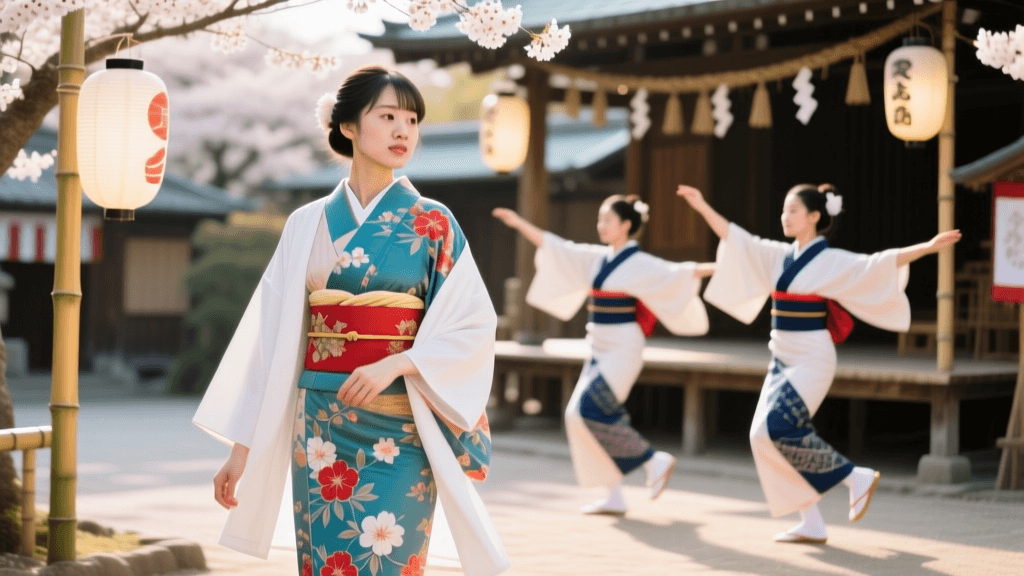
Summer in Japan is a season defined by the thunderous beat of taiko drums, the warm glow of paper lanterns, and the vibrant swirl of traditional textiles. According to the Japan National Tourism Organization, thousands of matsuri (festivals) take place across the archipelago each year, drawing millions of locals and tourists alike. These festivals are not merely spectator events; they are deeply participatory cultural experiences where clothing plays a vital role in community identity, spiritual reverence, and practical comfort in the sweltering heat. Understanding the nuances of Japanese festival attire—specifically the yukata, the happi coat, and Bon Odori dancewear—offers a profound glimpse into the intersection of utility, craftsmanship, and cultural heritage.
Yukata: The Quintessential Summer Festival Garment
The yukata is the undisputed star of summer festival fashion. Originally known as yu-katabira during the Heian period (794–1185), it was a simple linen robe worn by aristocrats after bathing. By the Edo period (1603–1867), as public bathhouses became common and cotton cultivation flourished, the yukata evolved into the everyday casual wear of the masses. Today, as noted by The Metropolitan Museum of Art, the kimono and its lighter variants remain potent symbols of Japanese aesthetic sensibility, with the yukata serving as the most accessible entry point for modern wearers.
Fabrics and the Art of Chusen Dyeing
When investing in a high-quality cotton yukata, look for garments dyed using the traditional chusen method. Unlike modern surface-printing techniques where the design only appears on the top layer of the fabric, chusen involves pouring liquid dye over layered, paste-resisted cotton. This process ensures that the vibrant patterns penetrate entirely through the textile, meaning the inside of the garment is just as colorful as the outside. Chusen fabrics are highly prized for their breathability and the way the colors soften beautifully with repeated washing, making them a sustainable and historically authentic choice for festival-goers.
Sizing and Measurements for Yukata
Unlike Western clothing, yukata are generally sold in standard lengths rather than strict numerical sizes. To achieve the perfect fit, one must understand three critical measurements:
- Mitake (Length): For women, the ideal length is your total height minus 30 cm. This allows for the traditional ohashori (waist fold), which adjusts the garment to your exact proportions. For men, the length should match your exact height, as men do not use the ohashori fold.
- Yuki (Sleeve Span): Measured from the center of the back of the neck, over the shoulder, down to the wrist. A standard women's yuki is around 64-68 cm, while men's is typically 75-80 cm.
- Katahaba (Shoulder Width): The distance between the shoulder seams. Standard sizes usually range from 30 to 34 cm, providing ample room for the overlapping front panels.
Happi Coats: The Uniform of the Festival Porter
While the yukata is elegant and flowing, the happi coat represents the dynamic, labor-intensive side of Japanese festivals. Historically worn by firefighters and shopkeepers during the Edo period, the happi is a short, loose-fitting jacket characterized by wide sleeves and bold, graphic crests. During a matsuri, happi coats are the uniform of the mikoshi (portable shrine) bearers. The coats are designed to absorb sweat, allow for a full range of motion, and display the specific mon (crest) of the local neighborhood association or guild.
Construction and Styling the Happi
Authentic festival happi are crafted from heavy-weight cotton and often feature aizome (traditional indigo dye). The indigo is not merely decorative; it is renowned for its natural insect-repellent and odor-neutralizing properties, making it highly practical for strenuous outdoor summer labor. When wearing a happi, it is typically tied at the waist with a simple cotton sash or worn open over a haramaki (belly band) and fundoshi (traditional loincloth) or modern compression shorts for modesty during shrine-carrying rituals.
Bon Odori Dancewear: Movement and Tradition
Beyond the stationary viewing of fireworks, summer is the season of Obon, a Buddhist custom to honor the spirits of one's ancestors. The focal point of Obon is Bon Odori, a traditional folk dance performed in circles around a raised wooden scaffold called a yagura. The dancewear must balance visual uniformity with the practical need for heat dissipation and unrestricted movement.
Regional Variations: Awa Odori and Tanko Bushi
Dancewear varies wildly by region. In Tokushima, the famous Awa Odori sees male dancers wearing short happi coats, tabi (split-toe socks), and straw amigasa hats, while female dancers wear matching, brightly colored yukata paired with wooden geta clogs. Conversely, in Kyushu, the Tanko Bushi (coal mining dance) features dancers wearing a distinct haramaki, a tenugui (cotton towel) wrapped tightly around the head, and a pair of uchiwa (paper fans) used as percussive dance props.
Garment Comparison Chart
| Garment | Primary Use | Material | Approximate Cost (USD) | Footwear Pairing |
|---|---|---|---|---|
| Yukata | Festivals, fireworks, casual summer wear | Lightweight Cotton, Linen, Polyester | $30 - $150 | Geta (wooden clogs) |
| Happi Coat | Shrine carrying, vendor uniforms, dance | Heavy Cotton, Indigo-dyed | $25 - $80 | Tabi and Zori, or barefoot |
| Bon Odori Yukata | Traditional Obon circle dancing | Breathable Cotton, Chusen-dyed | $40 - $120 | Geta or soft-soled Jikatabi |
Practical Guide: Timing, Budgeting, and Sourcing
If you are planning to attend a Japanese summer festival and wish to purchase your own attire, timing and sourcing are crucial.
- Timing: Retailers in Japan begin stocking summer festival wear in early May. If you are buying online from international vintage dealers, place your orders by early June to account for shipping times before the July and August festival peaks.
- Budgeting: A brand-new, mass-produced polyester yukata set (which includes the obi and geta) can be purchased at stores like Don Quijote or UNIQLO for around $30 to $50. However, for a genuine cotton chusen yukata, expect to pay between $80 and $150. Vintage silk or high-end cotton yukata from specialized Kyoto dealers can range from $150 to over $400.
- Sourcing: For authentic, high-quality garments, seek out specialized online retailers such as Ichiroya or Rakuten Global. If you are in Japan, the streets of Asakusa in Tokyo and the Nishijin district in Kyoto offer unparalleled brick-and-mortar shopping experiences where artisans can help you measure your mitake and yuki in person.
Essential Accessories for the Festival Goer
No festival outfit is complete without the proper accessories. The kinchaku (a small drawstring bag made of cotton or wicker) is essential for carrying a smartphone, wallet, and hand fan, as yukata lack built-in pockets. Furthermore, a tenugui is a highly versatile accessory; it can be used to wipe sweat, wrapped around the head to keep hair out of the face during Bon Odori, or tied around the neck to protect the collar of the yukata from skin oils. Finally, footwear is paramount. Geta (wooden clogs) are the standard pairing for yukata. When purchasing geta, ensure the wooden base is 1 to 2 centimeters shorter than your actual foot length; allowing your heels to slightly overhang the back edge is the correct and traditional fit, preventing the fabric of the yukata from dragging on the ground.
Conclusion
Dressing for a Japanese matsuri is an exercise in respecting tradition while embracing the joyous, communal spirit of the season. Whether you are securing the butterfly bow of a lightweight yukata, donning an indigo happi to help carry a neighborhood shrine, or stepping into the rhythmic circle of a Bon Odori dance, the garments you wear connect you directly to centuries of Asian cultural heritage. By understanding the measurements, materials, and regional variations of these performance and festival costumes, you ensure that your participation is both culturally informed and profoundly comfortable.