Miao Silverwork and Batik: A Buyer and Culture Guide
The Wearable History of the Miao People
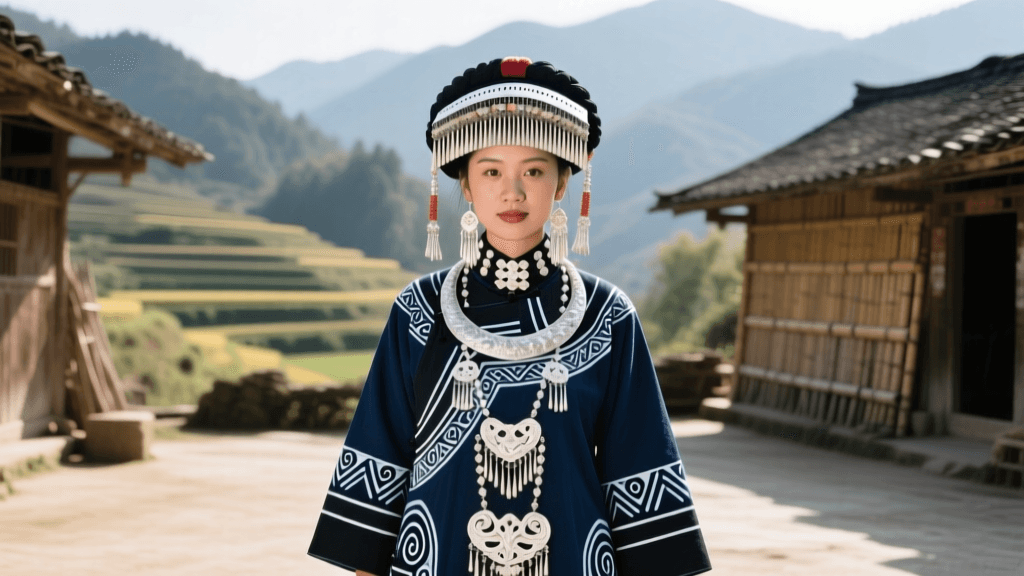
The Miao people, internationally recognized in many diaspora communities as the Hmong, represent one of China's largest and most culturally vibrant ethnic minority groups. Primarily concentrated in the mountainous, mist-shrouded provinces of Guizhou, Hunan, and Yunnan, the Miao have a long history of migration and resilience. According to Britannica's historical overview of the Hmong/Miao, the group lacked a universally adopted written script for much of their ancient history. To preserve their genealogy, cosmology, and migration routes, Miao women encoded their stories directly into their clothing. Today, Miao textile and metalwork traditions are not merely decorative; they are wearable archives of a civilization's survival.
For cultural enthusiasts, collectors, and travelers visiting Guizhou, navigating the markets requires a keen eye. The commercialization of ethnic crafts has flooded tourist hubs with mass-produced replicas. This guide provides actionable advice on authenticating, purchasing, and caring for genuine Miao indigo batik (laran) and silver jewelry (yinshi), ensuring your acquisitions respect and support true intangible cultural heritage.
Miao Indigo Batik (Laran): Craftsmanship and Buyer's Guide
Miao batik, or laran, is a painstaking resist-dyeing technique that has been practiced for over a thousand years. Artisans use a specialized brass tool called a ladao (batik knife) to draw intricate geometric and natural motifs onto white cotton or hemp cloth using melted beeswax. The fabric is then submerged in vats of fermented natural indigo dye. Finally, the cloth is boiled to melt away the wax, revealing stark white patterns against deep, rich blues.
How to Authenticate Genuine Batik
Tourist markets in Xijiang and Kaili are saturated with machine-printed fabrics designed to mimic the batik look. To ensure you are purchasing authentic, handcrafted laran, look for these specific markers:
- The 'Ice-Vein' Pattern: As the beeswax cools and hardens on the fabric, it naturally cracks. When dipped in indigo, the dye seeps into these micro-cracks, creating a delicate, web-like network of blue lines within the white pattern. Machine prints cannot replicate this organic randomness.
- Scent and Texture: Authentic indigo-dyed fabric carries a distinct, earthy, and slightly fermented aroma, reminiscent of damp soil and herbs. Synthetic prints smell of chemical dyes or factory sizing. Genuine batik also feels slightly textured and may have a faint, natural wax residue that softens over time.
- Color Transfer: Natural indigo is not permanently fixed with harsh chemical mordants. A brand-new, authentic batik scarf will slightly transfer blue pigment onto your fingers when rubbed or exposed to moisture. This is a hallmark of plant-based dyes.
Pricing and Care Instructions
When purchasing directly from village cooperatives in Guizhou, expect to pay between $25 and $45 USD for a hand-drawn batik scarf or table runner. Fully tailored jackets combining batik and embroidery range from $150 to $400 USD. To care for natural indigo textiles, always hand-wash them in cold water using a pH-neutral, mild detergent. Never use bleach or machine-dry the fabric, as heat and harsh chemicals will strip the natural indigo and cause the cotton fibers to degrade.
The Weight of Heritage: Miao Silver Jewelry (Yinshi)
In Miao culture, silver is far more than a display of wealth; it is spiritual armor. Silver is believed to emit a protective light that wards off malevolent spirits and brings health to the wearer. As documented in The Metropolitan Museum of Art's textile and adornment archives, Miao ceremonial garments are heavily weighted with silver ornaments, sometimes totaling up to 10 kilograms for a single festival outfit.
The most iconic piece is the silver horn headdress, which pays homage to the water buffalo—a sacred animal in Miao agrarian society that symbolizes strength and ancestral connection. Another prevalent motif is the 'Mother Butterfly' (Mais Bangx Mais Lief), stemming from the Miao creation myth where a butterfly laid twelve eggs that hatched the first humans, dragons, and elephants.
Navigating the Silver Market: Pure vs. Alloy
The most common trap for buyers is the term 'Miao Silver' or 'Tibetan Silver.' In commercial markets, these terms almost always refer to alloys of white copper, brass, nickel, or zinc, containing little to no actual silver. While alloy pieces are beautiful and practical for the heavy, oversized festival replicas worn by dancers, they hold no precious metal value.
- Hallmarks: Genuine silver pieces crafted by Miao silversmiths will often be stamped with '990' or '999', indicating 99% or 99.9% pure silver.
- The Magnet Test: Pure silver is non-magnetic. If a vendor claims a heavy silver hairpin is pure, but it reacts to a neodymium magnet, it contains iron or steel alloys.
- Weight and Malleability: Pure 999 silver is surprisingly soft and heavy. Intricate filigree pure silver pins will bend slightly under pressure, whereas white copper alloys will remain rigid and snap if forced.
Cost Guide for Silver
- Authentic 999 Silver Hairpin: $80 - $150 USD (depending on weight and filigree complexity).
- Alloy Festival Horn Replica: $50 - $120 USD (excellent for display or costume, but not an investment).
- Pure Silver Full Horn Headdress: $1,500 - $4,000+ USD (often commissioned by families over years and passed down as heirlooms).
The Baidie: The Hundred-Pleat Skirt
No discussion of Miao clothing is complete without the baidie, or hundred-pleat skirt. Creating a single skirt requires up to 15 to 20 meters of hand-woven, indigo-dyed cotton. The fabric is meticulously folded into hundreds of micro-pleats, bound tightly with thread, and steamed to set the shape. The final waistband measures roughly 70 to 80 centimeters, but the hem can flare out to several meters. A master-crafted, heavily embroidered baidie can take six months to complete and costs between $300 and $800 USD on the authentic artisan market.
Comparison Chart: Authentic vs. Commercial Miao Crafts
| Item | Material | Production Method | Price Range (USD) | Durability & Care |
|---|---|---|---|---|
| Authentic Batik Scarf | 100% Cotton/Hemp, Natural Indigo | Hand-drawn beeswax resist, vat-dyed | $25 - $45 | High; wash cold, air dry |
| Commercial Batik Print | Synthetic Blends | Machine-printed chemical dyes | $5 - $15 | Low; fades quickly, harsh feel |
| Pure Silver Hairpin | 990/999 Pure Silver | Hand-forged, filigree | $80 - $150 | Tarnishes naturally; polish gently |
| Alloy 'Miao Silver' Horn | White Copper/Brass/Nickel | Cast in molds, electroplated | $40 - $90 | Prone to chipping; avoid moisture |
| Authentic Baidie Skirt | Indigo Cotton, Silk Thread | Hand-pleated, embroidered | $300 - $800+ | Spot clean only; store flat |
When and Where to Experience Miao Traditions
To witness these garments in their proper context, timing your visit to Guizhou around traditional festivals is essential. The Sister's Meal Festival (usually falling in April, aligned with the lunar calendar) in Taijiang County is a spectacular showcase of Miao silver and embroidery, often described as the 'Eastern Valentine's Day.' Alternatively, the Lusheng Festival in autumn features traditional pipe-instrument music, dancing, and the full display of ancestral silver heirlooms.
Travel and Etiquette Tips
- Locations: While the Xijiang Thousand Household Miao Village is highly commercialized, it offers accessible viewing. For authentic purchasing, visit the weekly markets in Kaili or the artisan cooperatives in Shiqiao Village, famous for its ancient paper-making and batik traditions.
- Bargaining: In village markets, gentle bargaining is expected and part of the social interaction. However, when purchasing from recognized master artisans or heritage cooperatives, prices are usually fixed to ensure fair wages.
- Photography: Always ask for permission before photographing locals in traditional dress. A polite nod or a small gesture of offering to buy a small craft from their stall goes a long way in building mutual respect.
Preserving Intangible Heritage
The survival of Miao clothing traditions relies heavily on the economic empowerment of rural female artisans. As recognized by UNESCO's Intangible Cultural Heritage frameworks, the transmission of these skills from mother to daughter is vital to the cultural continuity of the Miao people. By learning to distinguish between mass-produced souvenirs and genuine, handcrafted laran and yinshi, collectors and travelers can directly support the village cooperatives that keep this breathtaking wearable history alive for future generations.