Modern Mamianqun Styling: Fusion Horse-Face Skirt Guide
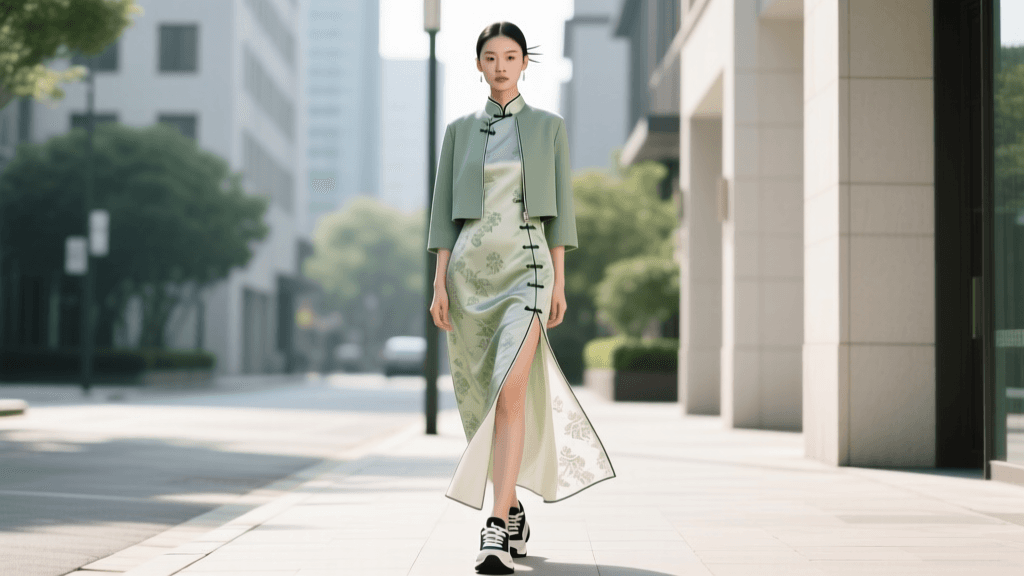
The Renaissance of the Mamianqun in Modern Fusion Fashion
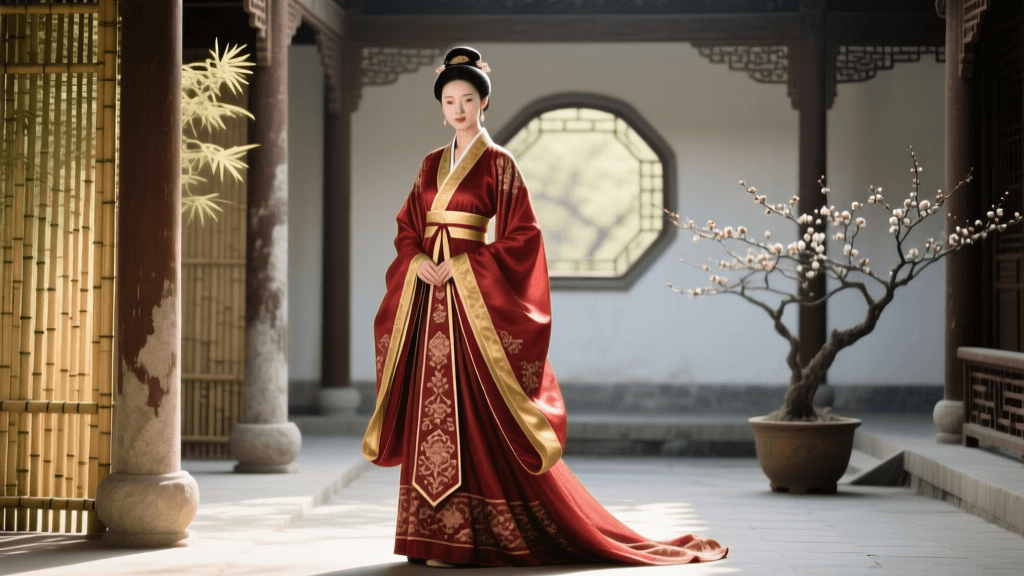
The Mamianqun, historically known as the 'horse-face skirt,' is one of the most iconic garments of traditional Chinese clothing. Originating in the Song Dynasty and reaching its zenith during the Ming Dynasty, this wrap-around skirt is defined by its flat front and back panels (the 'horse faces') flanked by intricate, overlapping pleats. While it was once relegated to historical reenactments and museum archives, the Mamianqun has recently exploded into the mainstream global fashion consciousness. This revival is largely driven by the Xin Zhongshi (New Chinese Style) movement, where Gen Z consumers and avant-garde designers blend heritage textiles with contemporary streetwear silhouettes.
The modern catalyst for this revival gained international attention in 2022, when a major European luxury house released a mid-length pleated skirt that bore a striking structural resemblance to the traditional Mamianqun. As reported by The New York Times and BBC News, the subsequent cultural discourse ignited a fierce pride among Chinese youth, propelling the garment from niche Hanfu circles into everyday fusion streetwear. Today, the modern Mamianqun is a staple in urban fashion capitals from Shanghai to Tokyo, reimagined in denim, techwear nylon, and modern jacquard blends.
Deconstructing the Fusion Mamianqun
Adapting a 600-year-old garment for modern commuting and streetwear requires structural tweaks. Traditional Ming Dynasty skirts were heavily weighted with silk brocade, designed to sweep the floor and restrict movement to convey aristocratic grace. Modern fusion fashion prioritizes mobility, durability, and ease of wear. Below is a comparative breakdown of how the garment has evolved for the modern wardrobe.
| Feature | Traditional Ming Dynasty | Modern Streetwear Fusion |
|---|---|---|
| Length | Floor-sweeping (100-115cm) | Midi to Maxi (75-105cm) |
| Fabric | Heavy silk, woven brocade, damask | Polyester jacquard, denim, cotton, nylon |
| Waistband | White cotton/linen tie (requires knotting) | Elasticized, hidden zippers, or snap buttons |
| Pleat Structure | Loose, unstitched knife pleats | Heat-set or top-stitched pleats for retention |
| Price Range | $150 - $600+ (Custom/Artisan) | $35 - $120 (Ready-to-wear) |
Actionable Styling Guide: Streetwear Meets Heritage
Styling a Mamianqun requires balancing its voluminous lower half with structured or fitted upper garments. Here are three actionable, modern fusion looks tailored for different environments, complete with specific measurements and garment pairings.
Look 1: Urban Techwear Fusion
The techwear aesthetic pairs perfectly with the architectural pleats of the Mamianqun. For this look, opt for a mid-length (85cm) Mamianqun in matte black nylon or dark charcoal cotton. The 85cm length is crucial—it hits right below the knee on an average 165cm tall wearer, preventing the pleats from catching on bicycle chains or subway doors.
- Top: A fitted, water-resistant cropped cargo jacket or a high-neck compression long-sleeve top. The tight silhouette contrasts the skirt's volume.
- Footwear: Chunky combat boots or technical sneakers (e.g., Salomon XT-6) with a 3-4cm sole. The added height prevents the skirt from dragging and adds an aggressive, cyberpunk edge.
- Accessories: A utilitarian cross-body chest rig or a matte black nylon belt worn over the skirt's waistband to break up the silhouette.
Look 2: Casual Denim Everyday Wear
Denim Mamianquns have become a massive trend in the Xin Zhongshi movement, offering the durability of workwear with the elegance of Ming Dynasty pleats. Look for a 12oz rigid denim skirt with contrast gold stitching, typically priced around $55-$80 USD on independent design platforms.
- Top: A vintage-wash graphic tee tucked tightly into the waistband, layered under an oversized, distressed cardigan. The casual nature of the denim grounds the historical weight of the pleats.
- Footwear: Classic canvas low-tops (like Converse Chuck 70s) or retro runners (like New Balance 550s).
- Styling Tip: Roll the waistband down once if the skirt sits too high on your natural waist. Many modern denim fusion skirts feature snap buttons specifically designed for this adjustable styling trick.
Look 3: Neo-Chinese Office Elegance
For a professional environment, the fusion Mamianqun can replace the standard pencil skirt. Choose a 95cm maxi-length skirt in a 150gsm polyester jacquard featuring subtle, tone-on-tone woven motifs (such as bamboo or geometric clouds) rather than loud, metallic dragons.
- Top: A crisp, oversized white button-down shirt, left slightly unbuttoned at the collar, or a fine-knit merino wool turtleneck in deep burgundy or navy.
- Footwear: Pointed-toe leather ankle boots with a block heel. Avoid stilettos, as they can easily snag the overlapping pleat layers when walking or sitting.
- Accessories: Minimalist jade or nephrite jewelry. A single jade pendant on a delicate gold chain bridges the gap between ancient tradition and modern minimalism.
Sizing, Sourcing, and Costs
Purchasing a modern Mamianqun requires understanding traditional Chinese sizing, which differs significantly from Western fast-fashion metrics. Most independent fusion brands operate on Taobao, Xiaohongshu, or specialized global Hanfu retailers.
How to Measure for a Fusion Skirt
Unlike Western skirts that sit on the hips, the Mamianqun is designed to sit on the natural waist (the narrowest part of your torso, usually 2-3 inches above the navel).
- Waist Measurement: Measure your natural waist. Because modern fusion skirts often use side-zippers or snap closures instead of traditional ties, you must buy a skirt that matches your exact waist measurement within a 2cm margin. If your waist is 70cm, order a size 'M' (typically labeled for 68-72cm waists).
- Length Calculation: To find your ideal modern length, measure from your natural waist to your desired hemline. For a midi look that hits mid-calf, a standard formula is: Height (cm) x 0.55. For a 165cm person, this equals roughly 90cm. For a streetwear midi look that hits below the knee, use Height (cm) x 0.48 (approx. 80cm).
Cost Breakdown and Where to Buy
The cost of a modern fusion Mamianqun varies wildly based on fabric technology and brand positioning.
- Entry-Level ($30 - $50 USD): Mass-produced polyester blends. The pleats are heat-set but may lose their sharpness after multiple washes. The waistband usually features a basic elastic back panel.
- Mid-Tier Independent Designers ($60 - $120 USD): High-quality jacquard weaves, denim, or cotton-linen blends. These brands often use reinforced top-stitching at the waist to ensure the pleats never blow open in the wind. Look for shops specializing in 'Daily Hanfu' or 'New Chinese Style'.
- Avant-Garde / Designer ($150 - $350+ USD): Brands that deconstruct the Mamianqun, incorporating asymmetrical hems, techwear straps, or upcycled vintage textiles. These are investment pieces aimed at high-fashion streetwear enthusiasts.
Caring for Modern Fusion Fabrics
The longevity of your Mamianqun's pleats depends entirely on fabric care. Traditional silk brocades require dry cleaning, but modern fusion fabrics are designed for urban life.
- Polyester Jacquard: Machine washable on a gentle, cold cycle inside a mesh laundry bag. The mesh bag is non-negotiable; it prevents the overlapping pleats from tangling and stretching in the drum. Never use a tumble dryer; hang dry in the shade.
- Denim & Cotton: Hand wash or spot clean to preserve the rigidity of the fabric. If the pleats begin to soften after months of wear, use a steam iron on a medium setting. Fold the skirt along its original crease lines, clamp the pleats with binder clips, and apply steam to reset the memory of the fabric.
- Storage: Never hang a heavy fusion Mamianqun by the waistband for long periods, as the weight of the fabric will pull the pleats downward, causing them to stretch and warp. Instead, fold it along the pleat lines and store it flat in a drawer, or use a skirt hanger with wide, padded clips.
'The Mamianqun is no longer just a costume of the past; it is a living, breathing canvas for modern identity. When a young designer pairs a Ming Dynasty pleat structure with a waterproof nylon weave, they aren't just making clothes—they are engineering a bridge between centuries.'
— Cultural Fashion Commentator, The Guardian (Contextual reference on cultural fashion evolution)
Conclusion: The Future of Heritage Streetwear
The integration of the Mamianqun into modern fusion fashion represents a broader shift in how Asian traditions are consumed and celebrated globally. It is no longer about strict historical accuracy; it is about cultural continuity. By adapting the measurements, utilizing modern textiles like denim and tech-nylon, and styling the skirt with contemporary streetwear staples, wearers are ensuring that the horse-face skirt remains a dynamic, functional part of the global fashion lexicon. Whether you are navigating a corporate office or an underground music venue, the modern Mamianqun offers a masterclass in how heritage can be tailored for the future.