Ultimate Kimono Photoshoot Locations & Photography Tips
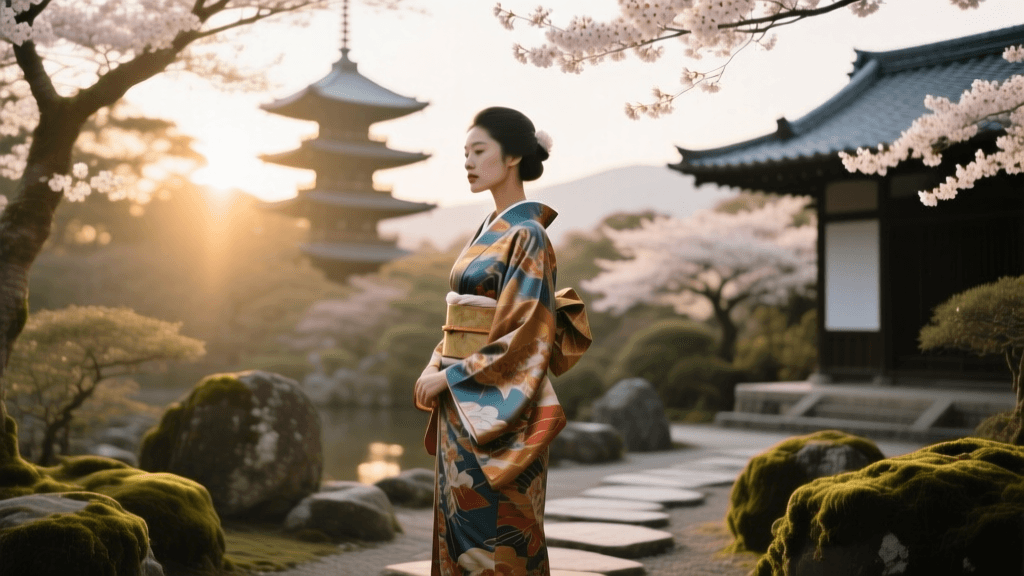
The Art of Kimono Photography: Blending Tradition and Light
Capturing the elegance of traditional Japanese garments requires more than just a good camera; it demands an understanding of cultural etiquette, textile behavior, and environmental harmony. Whether you are photographing a vintage silk furisode, a casual cotton yukata, or a formal kurotomesode, the intersection of the garment and the location tells a story. For photographers, stylists, and kimono enthusiasts, planning a kimono photoshoot involves navigating seasonal motifs, managing delicate fabrics, and selecting backdrops that honor the heritage of the attire.
This comprehensive guide explores the most breathtaking kimono photoshoot locations in Japan and internationally, alongside technical photography tips, posing etiquette, and seasonal matching strategies to ensure your images are both culturally respectful and visually stunning.
Premier Kimono Photoshoot Locations in Japan
Kyoto: Gion and the Higashiyama District
Kyoto remains the undisputed capital of traditional Japanese aesthetics. The Gion district and the broader Higashiyama area offer iconic backdrops featuring preserved wooden machiya houses, stone-paved alleys, and weeping willow trees. For the best results, schedule your shoot at dawn (around 6:00 AM). This not only provides soft, directional morning light but also allows you to avoid the heavy tourist crowds that flood the Ninenzaka and Sannenzaka slopes by mid-morning. The contrast of a vibrant silk kimono against the muted, earthy tones of Kyoto’s wooden architecture creates a timeless, cinematic image.
Kanazawa: Higashi Chaya District
Often referred to as 'Little Kyoto,' Kanazawa offers a more intimate and less crowded alternative for traditional photoshoots. The Higashi Chaya geisha district features stunning latticed wooden facades and gold-leaf accents. Photographing a subject in a refined houmongi (visiting kimono) here, particularly during the late afternoon golden hour, highlights the intricate dye-work of the garment while echoing the historical elegance of the Edo period. Kanazawa’s Kenrokuen Garden is also a premier spot, especially when the yukitsuri (snow-hanging ropes) are installed in winter, providing a dramatic, geometric backdrop for heavy winter kimonos.
Tokyo: Rikugien and Hama Rikyu Gardens
For those restricted to the metropolis, Tokyo’s traditional landscape gardens offer meticulously curated environments. Rikugien Garden is spectacular during the autumn foliage season, providing a fiery red and orange canvas that perfectly complements autumn-motif kimonos. Hama Rikyu Gardens offers a unique juxtaposition: traditional pine trees, tidal ponds, and wooden bridges set against the towering, modern skyscrapers of Shiodome. This contrast is ideal for editorial fashion shoots aiming to bridge Japan’s past and present.
Stunning International Locations for Kimono Shoots
You do not need to travel to Japan to capture authentic, beautiful kimono photography. Many international locations feature authentic Japanese landscaping and architecture.
- Portland Japanese Garden (Oregon, USA): Widely considered one of the most authentic Japanese gardens outside of Japan, its sand and stone garden, mossy pathways, and maple groves provide exceptional, serene backdrops. The garden’s strict preservation rules require photographers to obtain permits and use minimal gear, making prime lenses a necessity.
- San Francisco Japanese Tea Garden (California, USA): Featuring iconic arched bridges, pagodas, and koi ponds, this location is ideal for shooting lighter, spring-themed garments. The dappled light filtering through the bamboo groves creates beautiful, natural bokeh.
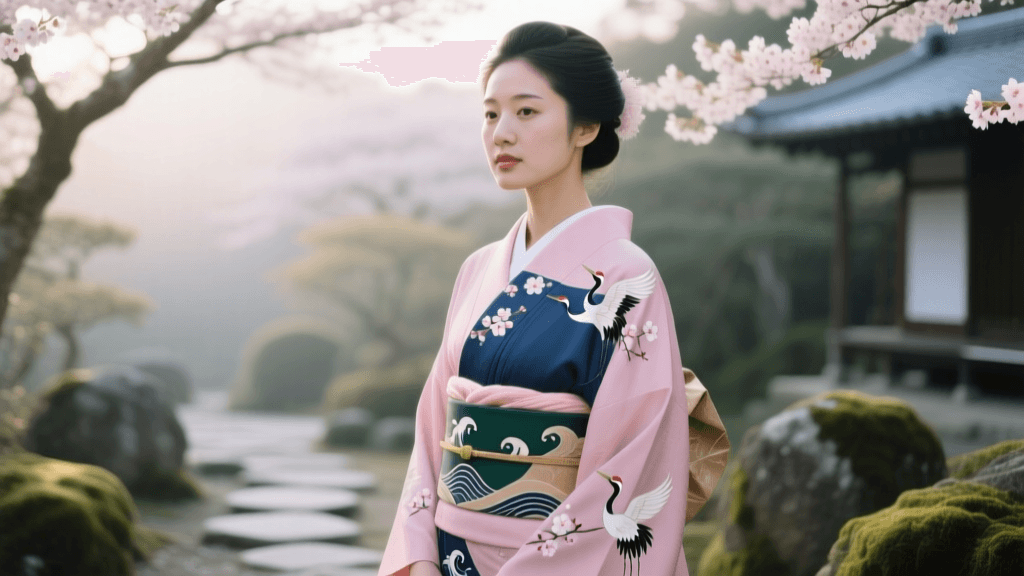
- Local Botanical Gardens and Arboretums: During spring cherry blossom (sakura) or wisteria blooms, local botanical gardens can mimic Japanese landscapes. Focus on tight compositions using macro or 85mm lenses to isolate the subject and the floral elements, blurring out modern park infrastructure.
Technical Photography Tips for Silk and Structure
Photographing traditional garments presents unique technical challenges, primarily due to the reflective nature of silk and the structural complexity of the kitsuke (dressing).
Managing Light and Reflections
Silk kimonos, particularly those woven in rinzu (satin damask) or chirimen (crepe) weaves, reflect light unpredictably. Harsh, direct sunlight will blow out the highlights on the shoulders and the obi, destroying the subtle color gradients of yuzen dyeing. Always shoot in open shade or use a large silk diffuser overhead. If shooting in direct sun is unavoidable, use a circular polarizing filter (CPL) on your lens to cut down glare on the silk fibers and saturate the natural dyes.
Lens Selection and Depth of Field
The kimono is a canvas. Wide-angle lenses can distort the straight lines of the garment and the architectural elements of traditional backdrops. An 85mm f/1.4 or f/1.8 prime lens is the gold standard for kimono portraiture. It provides flattering facial compression and allows you to isolate the subject from busy backgrounds. However, when photographing the intricate knots of the obi or the detailed embroidery on a fukisode hem, switch to a 100mm macro lens to capture the textile craftsmanship.
White Balance and Color Accuracy
Traditional colors like matcha-iro (green tea), kurenai (deep crimson), and fuji-iro (wisteria purple) must be rendered accurately. Auto White Balance (AWB) often skews these delicate hues. Shoot in RAW format and use a custom Kelvin white balance or a gray card during the first few frames to ensure the dye colors are faithfully reproduced in post-processing.
Posing and Kitsuke (Dressing) Etiquette
A successful kimono photoshoot requires the subject to understand basic kitsuke etiquette. Improper posing can make the garment look sloppy or culturally inaccurate.
The Golden Rule of the Collar: The left side of the collar must always overlap the right. The reverse is strictly reserved for dressing the deceased. Always double-check the collar alignment before clicking the shutter.
- Eri-Nuki (The Nape Gap): The collar should be pulled back to reveal the nape of the neck. This is considered highly elegant and is a focal point in kimono aesthetics. Ensure the subject keeps their chin slightly tucked and shoulders relaxed to maintain this gap.
- Hand Placement: Hands should rarely hang limp at the sides. Have the subject gently rest one or both hands on the front of the obi, lightly hold the edge of the overlapping collar, or hold a traditional prop like a wagasa (paper umbrella) or a sensu (folding fan).
- Posture and the Suso (Hem): The subject should stand with their toes pointing slightly inward (pigeon-toed), which naturally narrows the hips and creates the traditional cylindrical silhouette. When walking, they should take small, sliding steps to keep the hem (suso) from flaring open.
Seasonal Guide: Matching Garments to the Environment
In Japanese tradition, wearing motifs out of season is considered a faux pas. The environment and the garment must be in seasonal dialogue. Below is a guide to matching kimono types and motifs with the appropriate seasonal backdrops.
| Season | Recommended Garment | Traditional Motifs | Ideal Backdrop / Location |
|---|---|---|---|
| Spring (Mar-May) | Awase (lined silk) or Hitoe (unlined) | Sakura (cherry blossom), Wisteria, Swallows | Cherry blossom parks, riverbanks, plum gardens |
| Summer (Jun-Aug) | Yukata (cotton) or Ro/Shā (sheer silk) | Fireflies, Goldfish, Morning Glory, Water | Wooden verandas, bamboo groves, festival streets |
| Autumn (Sep-Nov) | Awase (lined silk) | Momiji (maple leaves), Chrysanthemum, Moon | Temple gardens with fall foliage, mountain trails |
| Winter (Dec-Feb) | Furisode or heavy Awase with Haori coat | Pine, Bamboo, Plum (Shochikubai), Snowflakes | Snow-dusted shrines, traditional tea houses, hot springs |
For precise timing on seasonal changes, particularly the fleeting cherry blossom and autumn foliage seasons, photographers and stylists should consult regional forecasts. Tracking the seasonal bloom and foliage forecasts is essential for coordinating outdoor location shoots with the correct environmental backdrop.
Essential Gear and Accessories for the Shoot
Beyond the camera, a professional kimono photoshoot requires a specialized kit to manage the garment on location:
- Zori Stepping Blocks: Traditional zori sandals are delicate and difficult to walk long distances in. Bring a small, portable wooden step or clean foam blocks for the model to stand on when moving between setups, preserving the footwear and the hem of the kimono.
- Garment Clips and Koshi-himo: Wind is the enemy of the kimono silhouette. Bring discreet binder clips and extra koshi-himo (tying cords) to secure the hem and sleeves out of the wind's reach when not actively shooting.
- Collar Stays and Towels: The shape of the collar can shift during movement. A dedicated kitsuke artist on set will use small towels and collar stays to readjust the eri-nuki between shots.
- Reflectors: A 5-in-1 collapsible reflector is crucial for bouncing soft light into the shadows created by the wide sleeves and the deep folds of the obi.
Conclusion
Photographing traditional Japanese garments is a rewarding discipline that bridges technical photography skills with deep cultural appreciation. By carefully selecting locations like Kyoto’s historic streets or serene international Japanese gardens, mastering the behavior of silk under natural light, and respecting the strict etiquette of kitsuke, photographers can create evocative, timeless imagery. Whether you are capturing a bridal furisode or a casual summer yukata, the key lies in harmonizing the garment, the subject, and the environment into a single, cohesive narrative.