Kimono in Pop Culture: A Guide to Authentic Media Styling
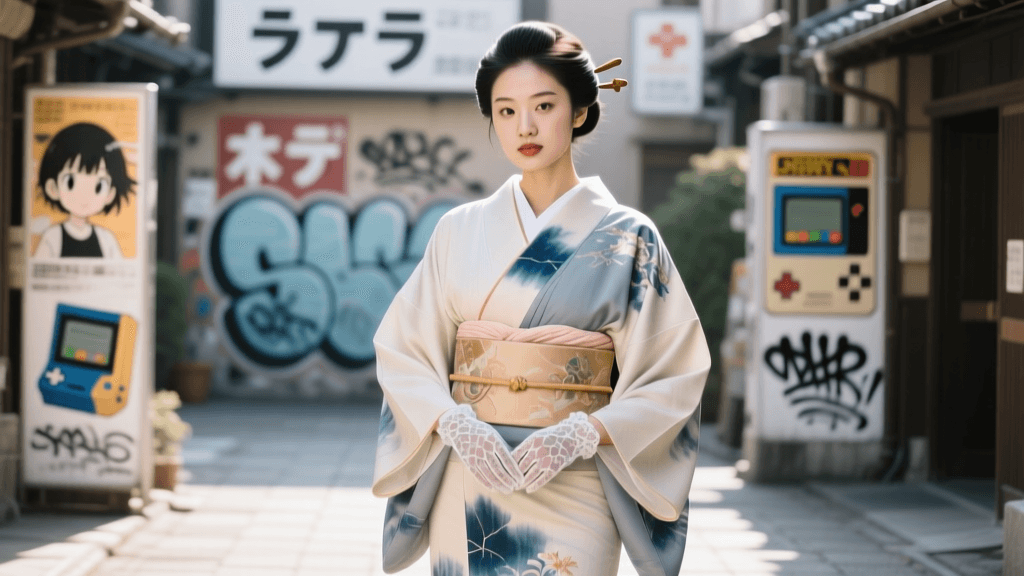
The Intersection of Traditional Japanese Fashion and Global Media
From the sweeping cinematic landscapes of Hollywood to the vibrant, stylized worlds of anime and video games, traditional Japanese clothing has maintained a powerful presence in global pop culture. The kimono, alongside its casual counterpart the yukata and the formal haori, frequently appears as a symbol of elegance, mystique, or historical grounding. However, the translation of these garments from their cultural origins to the global stage often results in a blend of stunning homage and glaring inaccuracies. As the Victoria and Albert Museum highlighted in their landmark exhibition 'Kimono: Kyoto to Catwalk,' the garment is not a static relic but a dynamic piece of fashion that has continuously influenced and been influenced by global trends. Yet, for modern fans, cosplayers, and stylists looking to recreate media-inspired looks, understanding the line between fictional stylization and authentic kitsuke (the art of kimono dressing) is essential.
Pop Culture Fiction vs. Traditional Reality
Global media often prioritizes visual drama over structural accuracy. In Hollywood films, characters are frequently depicted in heavily altered garments that function more like Western wrap dresses than traditional kimono. Similarly, anime and video games often exaggerate sleeve lengths, introduce non-traditional fabrics, or omit crucial undergarments to streamline character designs. For enthusiasts aiming to recreate these looks with cultural respect and historical accuracy, recognizing these tropes is the first step.
| Element | Common Pop Culture Trope | Authentic Traditional Practice |
|---|---|---|
| Collar Crossing | Often reversed, or worn symmetrically like a bathrobe. | Strictly 'Migi-mae' (Right side under Left). Left over right is reserved exclusively for dressing the deceased. |
| Obi (Sash) Placement | Tied in the front like an apron, or missing entirely. | Tied in the back for women (front tying historically indicated courtesans). Requires specific knots like Otaiko or Bunko. |
| Length and Hemline | Hits at the knee or calf to allow for action sequences. | Ankle-length. The excess fabric is folded at the waist into an 'ohashori' tuck, which is mandatory for women's formal wear. |
| Footwear | Worn barefoot or with modern boots/sneakers. | Worn with split-toe 'tabi' socks and traditional 'zori' (sandals) or 'geta' (wooden clogs). |
Sourcing Authentic Garments for Cosplay and Photoshoots
To achieve an authentic pop culture look, skip the mass-produced 'costume' shops. Authentic vintage silk kimono are surprisingly accessible and often cheaper than synthetic Halloween costumes. The Kyoto Costume Institute archives demonstrate the incredible durability and timelessness of these textiles, many of which survive in excellent condition for decades.
Where to Buy
- Yamatoku (Online Auctions): The premier destination for buying directly from Japanese sellers. You can find vintage komon (everyday patterned kimono) for $30 to $60 USD, and formal fukuro obi for $40 to $90 USD.
- Chicago Kimono & Ichiroya: Excellent English-language online retailers that curate vintage and modern pieces, providing accurate measurements and condition reports.
- Etsy: Ideal for sourcing specific accessories like vintage obijime (cords) or haori jackets, which are heavily featured in Taisho-era anime like 'Demon Slayer.' Expect to pay $25 to $50 for a good quality vintage haori.
The Mathematics of Kitsuke: Measuring for the Perfect Fit
Unlike Western clothing, kimono are not sized by small, medium, or large. They are measured by specific dimensions that must align with the wearer's body. Getting these measurements right is the difference between a costume and a culturally accurate garment.
Crucial Measurements
- Mitake (Body Length): This is the length from the back of the neck to the hem. For women, the ideal mitake is your total height minus 10 cm (approx. 4 inches). This allows for the ohashori fold at the waist. If the kimono is too short, you cannot create the fold, rendering it unwearable in traditional contexts.
- Yuki (Sleeve Length): Measured from the center back of the neck, across the shoulder, and down to the wrist. The ideal yuki is roughly half of your total arm span plus 2 cm. Pop culture often features floor-length 'furisode' sleeves; ensure you measure the drop length carefully to avoid tripping at conventions.
- Sode (Sleeve Drop): The vertical length of the sleeve. Unmarried women wear furisode (long sleeves, 100cm+), while married women or older characters wear tomesode or komon (shorter sleeves, approx. 50-60cm).
Essential Accessories Often Missed in Media
When a character in a video game or film wears a kimono, the styling is often simplified. In reality, the silhouette is created by a complex system of undergarments and accessories. As noted by BBC Culture, the structural engineering beneath the silk is what gives the kimono its iconic cylindrical, elegant shape.
The Hidden Architecture
- Susoyoke and Hadajuban: The traditional underskirt and camisole. Modern cosplayers often substitute this with a tank top and a slip skirt, but a dedicated 'juban' (under-kimono) is necessary to protect the silk from sweat and to provide the correct collar layering.
- Datejime: Wide, stiff sashes tied tightly around the waist and chest to flatten the bust and secure the undergarments. This creates the smooth, tubular silhouette essential for traditional aesthetics.
- Koshihimo: Thin cotton ties used to secure the kimono at the waist and hips before the decorative obi is applied. You will need at least three to four of these for a secure fit that lasts through a long day at a convention.
- Obiage and Obijime: The obiage is a silk scarf that peeks out from the top of the obi, hiding the pillow used to shape the knot. The obijime is a braided cord tied over the center of the obi. These small pops of contrasting color are vital for an authentic, finished look.
Footwear: Sizing Zori and Geta Correctly
One of the most frequent errors in media portrayals is the fit of traditional footwear. In Western shoe sizing, we expect the shoe to encompass the entire foot. In traditional Japanese styling, the heel should actually overhang the back of the wooden base by about 0.5 to 1 cm. This overhang prevents the hem of the kimono from being stepped on and soiled, and it encourages the short, gliding walking style required when wearing a tight skirt-like garment. When purchasing zori or geta online, measure your foot from heel to toe and select a base that is slightly smaller than your actual foot length.
Cultural Appreciation in Fandom
Engaging with traditional Japanese fashion through the lens of pop culture offers a beautiful opportunity for cross-cultural appreciation. The key lies in intentionality. Avoid the 'sexy geisha' tropes that Hollywood has historically perpetuated, which often involve plunging necklines, synthetic satin fabrics, and inappropriate obi placement. Instead, study the reference art of your favorite anime, the historical context of the Taisho or Edo periods, and the rules of kitsuke. By investing in authentic vintage pieces, learning the proper measurements, and respecting the structural integrity of the garment, fans can elevate their cosplay and media styling from mere costume to a profound homage to Japanese sartorial heritage.