Mastering New Chinese Style: A Modern Wardrobe Guide
The Rise of Xin Zhongshi: Beyond the Costume
The global fashion landscape is witnessing a profound shift as heritage aesthetics merge with contemporary streetwear and office attire. At the forefront of this movement is Xin Zhongshi (新中式), or 'New Chinese Style.' Unlike traditional Hanfu or the highly structured, occasion-specific Qipao, Xin Zhongshi is fundamentally about integration. It extracts the visual codes of ancient Chinese garments—such as the Pankou knot, the Mao collar, and the Mamian skirt silhouette—and recontextualizes them for the modern, dynamic lifestyle. According to South China Morning Post's coverage of the Guochao movement, this national trend is no longer a niche subculture but a dominant force in Asian retail, driven by younger consumers seeking cultural authenticity without sacrificing everyday practicality.
For the modern wardrobe curator, mastering Xin Zhongshi requires an understanding of proportion, textile heritage, and styling formulas that bridge the gap between antiquity and modernity. This guide provides actionable insights, cost breakdowns, and care instructions to help you build a sophisticated New Chinese Style capsule wardrobe.
Decoding the Aesthetic: Core Visual Elements
To successfully integrate New Chinese Style into your daily rotation, you must first recognize its foundational elements. Designers like Samuel Guì Yang and Ms MIN have pioneered this space by manipulating traditional silhouettes. The aesthetic relies on three primary pillars:
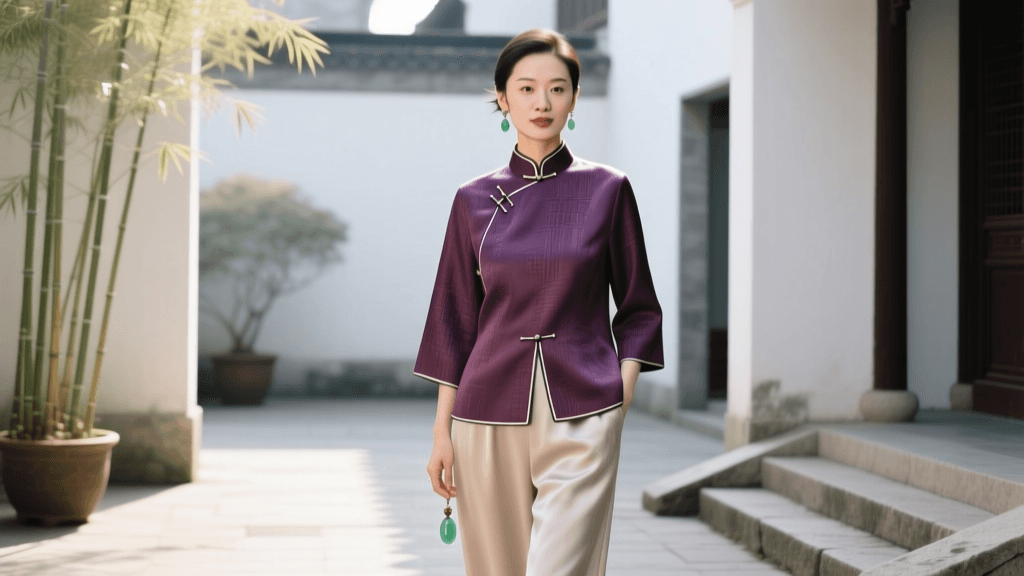
- The Pankou (Frog Closure): Originally used to fasten delicate silks, these intricate knotted buttons are now applied to heavy denim, leather moto jackets, and oversized wool cardigans, providing a striking textural contrast.
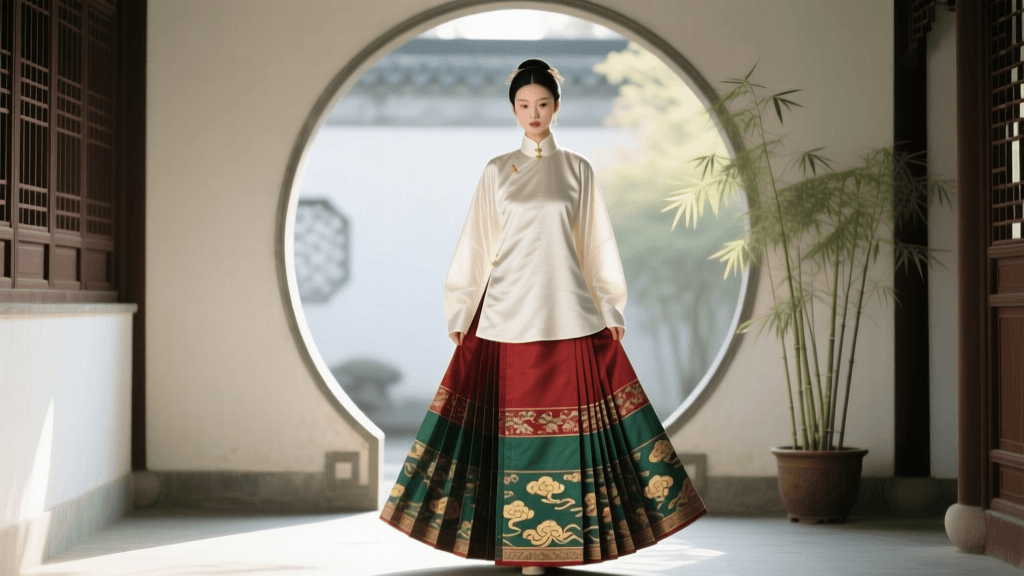
- The Mamianqun (Horse-Face Skirt) Silhouette: Characterized by its flat front and back panels with deep side pleats, this Ming Dynasty staple has been adapted into modern midi and maxi skirts. Contemporary versions often feature a 28-inch to 32-inch length, making them ideal for pairing with cropped knitwear or tailored blazers.
- Stand Collars and Offset Plackets: Drawing from the Zhongshan suit and early Qing dynasty robes, the mandarin collar (often measuring exactly 1.5 to 2 inches in height) offers a sharp, architectural neckline that frames the face beautifully without the restriction of a traditional tie or scarf.
Building Your Xin Zhongshi Capsule Wardrobe
Transitioning into this trend does not require a complete wardrobe overhaul. Instead, focus on acquiring versatile anchor pieces that can be mixed with your existing contemporary basics. Below is a strategic breakdown of essential items, including estimated market costs and optimal wearing occasions. As noted by The Business of Fashion's China retail insights, the mid-tier market for heritage-inspired apparel has seen exponential growth, making these pieces more accessible than ever through direct-to-consumer heritage brands.
| Garment Type | Traditional Element | Modern Application | Estimated Cost (USD) | Best Occasion |
|---|---|---|---|---|
| Song Brocade Bomber | Song Dynasty Jacquard Weave | Pared-down streetwear jacket with ribbed cuffs | $120 - $280 | Casual weekends, gallery visits |
| Pleated Midi Skirt | Mamianqun side-pleat structure | High-waisted A-line skirt in matte crepe | $85 - $190 | Office wear, dinner dates |
| Pankou Denim Jacket | Hand-knotted frog closures | Boxy, cropped denim with brass knot buttons | $90 - $160 | Street style, travel |
| Mandarin Collar Shirt | Qing-era stand collar | Relaxed-fit linen button-down (offset placket) | $60 - $130 | Smart-casual, summer events |
| Xiangyunsha Trench | Gambiered Canton Gauze dyeing | Belted, lightweight duster coat | $350 - $600+ | Transitional weather, luxury travel |
Pro-Tip for Shoppers: To maximize your budget, time your purchases around major Asian e-commerce festivals like Taobao's 11.11 (Singles' Day in November) or the 6.18 Mid-Year Shopping Festival. Heritage brands frequently offer 30% to 40% discounts on entry-level Xin Zhongshi pieces during these windows.
Textile Mastery: Sourcing and Caring for Heritage Fabrics
The soul of New Chinese Style lies in its textiles. While fast-fashion retailers offer polyester jacquards, true aficionados invest in heritage fabrics that carry historical weight and unique tactile properties. Understanding these materials is crucial for both purchasing and garment longevity. The The Metropolitan Museum of Art's costume history archives highlight the immense technical skill required to produce these traditional weaves, which modern technology is only just beginning to replicate with authenticity.
Key Fabrics to Look For:
- Song Brocade (Song Jin): Known for its subtle, matte sheen and intricate geometric or floral patterns. Unlike the highly reflective Ming-style Zhuanghua brocade, Song Brocade is understated, making it perfect for office-appropriate blazers and skirts.
- Xiangyunsha (Gambiered Canton Gauze): A luxury silk dyed with yam juice and mud from the Pearl River Delta. It is characterized by its dark, earthy tones, a distinctive crackled glaze on one side, and a rustling sound when worn. It is naturally antibacterial and highly breathable.
- Kesi (Cut Silk): A tapestry weave where the weft threads are cut and turned back at the edges of the color blocks. Often used as accent panels on modern cardigans or clutch bags.
Structured Care Guide for Heritage Textiles
Improper care can destroy the structural integrity of these heritage weaves. Follow these strict guidelines to maintain your investment pieces:
- Washing: Never machine wash Xiangyunsha or Song Brocade. Hand wash in cold water (below 30°C / 86°F) using a pH-neutral silk detergent. For Xiangyunsha, avoid soaking for more than 3 minutes to preserve the mud-dye glaze.
- Drying: Never wring or twist the fabric. Gently press out excess water using a clean, dry cotton towel. Lay flat to dry in a shaded, well-ventilated area. Direct sunlight will cause the natural dyes to fade and the silk fibers to become brittle.
- Ironing: Use a steam iron on the lowest 'Silk' setting. Always place a cotton pressing cloth between the iron and the garment. For Pankou knots, use the tip of the iron to carefully navigate around the knotted areas without flattening them.
- Storage: Store heavy brocade jackets on wide, padded wooden hangers to support the shoulder structure. Fold delicate Kesi silk pieces with acid-free tissue paper to prevent permanent crease lines.
Styling Formulas for Everyday Wear
The most common mistake consumers make when adopting ethnic or traditional fashion is over-styling, which can result in a costume-like appearance. The golden rule of Xin Zhongshi is the 'One Heritage Piece' formula: anchor your outfit with a single traditional garment and balance it with stark, contemporary basics.
'The elegance of New Chinese Style lies in its tension. You are contrasting the meticulous, slow-crafted heritage of a Pankou knot with the utilitarian, mass-produced reality of modern streetwear. That friction is where true style lives.' — Contemporary Asian Fashion Curator
Formula 1: The Creative Office
The Pieces: A Song Brocade tailored blazer (drop-shoulder, 2-inch pad) + a crisp white cotton poplin t-shirt + high-waisted, wide-leg charcoal wool trousers + minimalist leather loafers.
Why it Works: The matte brocade provides a subtle cultural nod without overwhelming the professional setting. The white t-shirt breaks up the formality, while the wide-leg trousers echo the flowing lines of traditional Hanfu bottoms.
Formula 2: Weekend Streetwear
The Pieces: A cropped, heavyweight denim jacket with brass Pankou closures + a ribbed mock-neck sweater + oversized olive green cargo pants + chunky retro sneakers.
Why it Works: This leans heavily into the 'Guochao' streetwear aesthetic. The brass frog closures act as striking hardware, replacing traditional zippers or snap buttons, while the cargo pants provide a utilitarian contrast to the historical origins of the closures.
Formula 3: Evening Elegance
The Pieces: A modern Mamianqun pleated midi skirt in deep emerald crepe + a fitted, black cashmere turtleneck + pointed-toe ankle boots + a jade pendant necklace.
Why it Works: The flat front panel of the Mamian skirt provides a sleek, slimming silhouette, while the deep side pleats offer dramatic movement when walking. The cashmere turtleneck keeps the look grounded in modern winter fashion.
The Future of Asian Heritage in Global Fashion
Xin Zhongshi is not a fleeting micro-trend; it is a fundamental recalibration of how Asian consumers and the global diaspora interact with their cultural heritage. By stripping away the rigid, ceremonial constraints of historical dress and focusing on the modular application of traditional elements, New Chinese Style offers a sustainable, deeply personal approach to fashion. Whether you are investing in a museum-quality Xiangyunsha trench coat or simply adding a Pankou-fastened cardigan to your autumn rotation, you are participating in a living, breathing sartorial evolution that honors the past while decisively dressing for the future.