Mastering Kimono Dress Codes for Formal Japanese Events
The Art of TPO: Understanding Kimono Etiquette
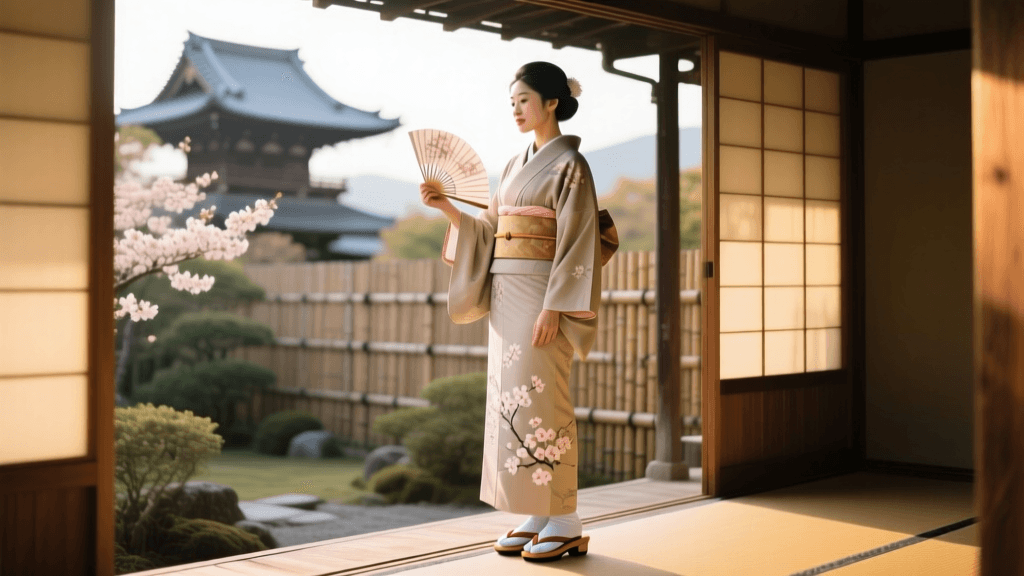
In the intricate world of traditional Japanese garments, the concept of TPO—Time, Place, and Occasion—is the golden rule that dictates every sartorial choice. Unlike Western formalwear, where a standard tuxedo or evening gown might suffice for a wide array of events, the kimono requires a nuanced understanding of hierarchy, seasonality, and social relationships. Wearing the correct kimono is not merely a fashion statement; it is a profound expression of respect for the host, the event, and the cultural heritage of Japan.
According to historical archives at The Metropolitan Museum of Art, the evolution of the kimono from everyday clothing to a highly codified system of formal dress reflects centuries of social stratification and aesthetic refinement. Today, whether you are a local resident attending a relative’s wedding or an international visitor invited to a traditional tea ceremony, mastering these dress codes is essential to avoid social faux pas and to fully honor the occasion.
The Hierarchy of Formality: A Comprehensive Guide
The foundation of kimono etiquette lies in understanding the hierarchy of formality. This hierarchy is determined by several factors: the presence and number of family crests (kamon), the type of silk used, the complexity of the dyeing or weaving technique, and the length of the sleeves. Below is a structured breakdown of the primary formal kimono categories.
| Kimono Type | Formality Level | Target Wearer | Appropriate Occasions | Required Obi Type |
|---|---|---|---|---|
| Kurotomesode | First Formal (Highest) | Married Women | Weddings (mother of bride/groom, close relatives) | Fukuro Obi (Gold/Silver) |
| Irotomesode | First Formal | Married & Unmarried | Weddings (close relatives), Imperial Palace events | Fukuro Obi |
| Furisode | First Formal | Unmarried Women | Coming of Age Day, Weddings (as a guest) | Fukuro Obi |
| Homongi | Second Formal | Married & Unmarried | Weddings (friends), Tea Ceremonies, Graduations | Fukuro or Nagoya Obi |
| Tsukesage | Semi-Formal | Married & Unmarried | Tea Ceremonies, Dining out, Cultural classes | Nagoya Obi |
| Komon | Casual / Everyday | Married & Unmarried | Strolling, Casual dining, Shopping | Nagoya or Hanhaba Obi |
Navigating Specific Formal Occasions
1. Wedding Guest Etiquette
Attending a Japanese wedding as a guest requires careful navigation of color and pattern taboos. The most critical rule is to never wear pure white, as this color is strictly reserved for the bride (who wears the shiromuku). Additionally, guests should avoid wearing Kurotomesode unless they are married close relatives of the bride or groom, as this garment is meant to signify immediate family status.
For female friends of the bride or groom, a Homongi or a Furisode (if unmarried) is the perfect choice. The patterns should be celebratory, featuring motifs like cranes, pine trees, or cherry blossoms. The Victoria and Albert Museum notes that the integration of auspicious motifs in formal silk garments has been a cornerstone of Japanese celebratory dress since the Edo period. Accessories should include a celebratory obi-jime (obi cord) in gold, silver, or red, and pure white tabi socks.
2. The Tea Ceremony (Chakai)
The traditional tea ceremony demands an aesthetic of subdued elegance and humility. Loud, flashy patterns or overly bright colors are considered distracting and disrespectful to the serene environment of the tea room. A Tsukesage or a high-quality Edo Komon (a kimono with micro-patterns that appear solid from a distance) is highly appropriate.
Practicality is also a factor. Because you will be kneeling on tatami mats and handling fragile, priceless ceramic tea bowls, you must remove all jewelry, including rings and bracelets, which could scratch the pottery. Your obi should be tied in a flat, unobtrusive knot, and your tabi socks must be impeccably clean and pure white.
3. Mourning and Funerals (Mofuku)
Funeral attire, known as Mofuku, is the most strictly regulated category of Japanese dress. It consists of a solid black silk kimono bearing five family crests (itsutsu-mon). The undergarments, obi, obi-jime, and zori sandals must all be matte black. Interestingly, while the attire is black, the tabi socks worn with mourning attire are traditionally pure white, symbolizing spiritual purity in the face of death. Modern alternatives sometimes allow for dark navy or charcoal grey suits, but for women wearing traditional garments, solid black is non-negotiable.
The Anatomy of a Formal Kimono Outfit
Dressing in a formal kimono is a multi-layered architectural process. Understanding the components will help you when communicating with rental shops or professional dressers (kitsuke-shi).
- Hadajuban: The innermost cotton undergarment that protects the silk from sweat and skin oils.
- Nagajuban: The inner kimono, usually made of silk or synthetic crepe. Only the collar (han-eri) is visible beneath the outer kimono.
- Datejime: A wide, padded under-belt used to smooth the silhouette and keep the nagajuban in place.
- The Outer Kimono: The main garment, carefully adjusted for length using koshihimo (thin cotton ties).
- Fukuro Obi: The formal sash, heavily brocaded with gold or silver threads, requiring complex tying techniques like the nijuudaiko (double drum knot).
- Obiage & Obijime: The silk sash cover and the decorative braided cord that secure and adorn the obi.
- Zori & Tabi: Formal vinyl or brocade sandals worn with split-toe white socks.
Practical Guide: Renting and Dressing Logistics
For most modern attendees, renting a formal kimono is the most practical and cost-effective option. Purchasing a new silk Homongi and Fukuro Obi set can easily exceed ¥500,000 (approx. $3,500 USD), not including the cost of professional cleaning and storage. Renting allows access to high-end garments for a fraction of the price.
Costs and Booking Timelines
When planning your outfit, use the following actionable metrics to budget your time and finances:
- Rental Costs: Standard casual sets (Komon) range from ¥4,000 to ¥7,000. Formal sets (Homongi or Furisode) range from ¥12,000 to ¥25,000. Add ¥3,000 to ¥5,000 for professional hair styling.
- Booking Window: For peak seasons (Cherry Blossom season in late March/April, or Autumn Foliage in November), book your rental and dressing appointment at least 2 months in advance. For weddings, secure your attire 1 month prior.
- Dressing Time (Kitsuke): Allocate exactly 45 minutes for professional dressing, plus 20 minutes for hair. Do not arrive late, as rental shops operate on tight, sequential schedules.
- Return Policies: Most shops require the garment to be returned by 5:00 PM or 6:00 PM on the same day. Late fees are steep, often ¥2,000 per hour, and losing a rental can result in replacement fees upwards of ¥200,000.
Tips for a Comfortable Experience
Wearing a formal kimono restricts movement and can be physically taxing if you are unprepared. Eat a light, easily digestible meal before your dressing appointment, as the obi will be tied tightly around your ribcage, making large meals uncomfortable. Bring a small, elegant clutch bag; large shoulder bags will ruin the drape of the silk and damage the delicate obi knot. Finally, practice walking in zori sandals beforehand, taking small, deliberate steps to maintain your balance and preserve the hem of the garment.
Conclusion: Respect Woven in Silk
Navigating the dress codes of traditional Japanese garments may seem daunting to the uninitiated, but it is ultimately a beautiful exercise in mindfulness. By adhering to the rules of TPO, you are participating in a living tradition that values harmony, respect, and seasonal awareness. Whether you are donning a vibrant Furisode for a wedding or a subdued Tsukesage for a tea gathering, your attention to detail will be noticed and deeply appreciated by your Japanese hosts. For further reading on cultural heritage and modern etiquette, the Kyoto City Official Travel Guide offers excellent localized resources for visitors preparing to engage with Japan’s rich sartorial traditions.