Chinese Wedding Attire Guide: Qungua, Xiuhe Fu, and Qipao
Introduction to Chinese Bridal Traditions
Planning a traditional Chinese wedding involves navigating a rich tapestry of cultural symbolism, ancestral respect, and sartorial elegance. For modern brides honoring their heritage, selecting the right ceremonial attire is a pivotal decision. Unlike Western weddings, where a single white gown dominates the ceremony, a traditional Chinese wedding wardrobe often requires multiple outfit changes, each serving a distinct ceremonial purpose. From the heavily embroidered Qungua to the romantic Xiuhe Fu and the sleek, modern Qipao, understanding the nuances of these garments is essential for any bride.
This comprehensive guide explores the history, craftsmanship, and practical considerations of Chinese wedding attire, providing actionable advice on measurements, timelines, and budgeting for your special day.
The Qungua (Longfeng Gua): Heirloom Embroidery
The Qungua (裙褂), often referred to as Longfeng Gua (Dragon and Phoenix Jacket), is the most formal and traditional Cantonese bridal garment. Originating from the Qing Dynasty, it consists of a tailored jacket and a straight skirt. The defining feature of the Qungua is its dense, intricate embroidery using Kesi (silk tapestry) techniques and gold-and-silver-wrapped threads.
Understanding Embroidery Density Grades
When shopping for a Qungua, you will encounter specific terminology denoting the density of the embroidery. The more red fabric hidden beneath the gold and silver thread, the higher the garment's status and price:
- Xiao Wu Fu (小五福): The entry-level grade, with about 50% embroidery coverage. Ideal for brides on a budget.
- Zhong Wu Fu (中五福): Features roughly 65% coverage, balancing cost and visual impact.
- Da Wu Fu (大五福): Boasts 80% coverage, offering a luxurious, shimmering appearance.
- Gua Huang (褂皇): The pinnacle of Qungua craftsmanship. The red silk base is 100% concealed by gold and silver embroidery. Due to the immense labor, a genuine Gua Huang can take over a year to complete and cost upwards of $15,000 to $30,000.
According to cultural historians, the dragon and phoenix motifs represent the balance of yin and yang, ensuring marital harmony and prosperity (BBC Culture).
The Xiuhe Fu: Romantic Elegance and Modern Comfort
While the Qungua is structured and formal, the Xiuhe Fu (秀禾服) offers a softer, more romantic silhouette. Popularized in the early 2000s by the protagonist Xiuhe in the television drama Orange Turned Red, this attire has become a staple for modern Chinese brides, particularly for the morning tea ceremony.
Design and Silhouette
The Xiuhe Fu typically features an A-line or pleated Mamianqun (horse-face skirt), which is far more forgiving and comfortable than the straight skirt of the Qungua. The jacket is wider, with flared sleeves that elegantly frame the bride's hands and jewelry. Embroidery on the Xiuhe Fu is generally less dense than on a Qungua, utilizing vibrant silk threads in shades of gold, pink, and green to depict peonies, lotuses, and mandarin ducks.
Practical Advice: Because of its A-line skirt, the Xiuhe Fu is highly recommended for brides who want ease of movement during the traditional tea ceremony, where kneeling and serving tea to elders is required. Off-the-rack Xiuhe suits range from $500 to $2,500, while bespoke pieces with premium Su embroidery can reach $5,000.
The Red Qipao (Cheongsam): The Toasting Dress
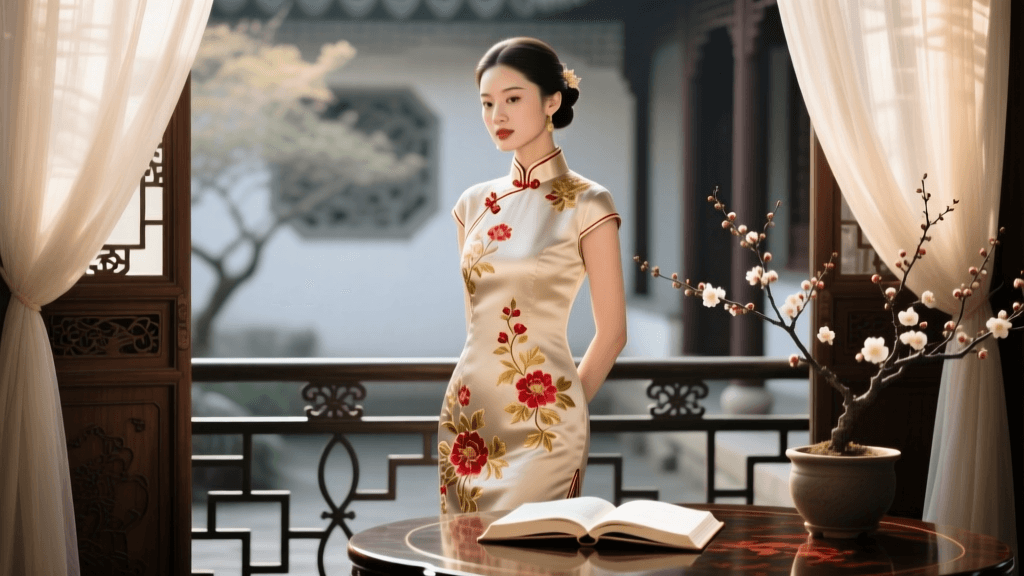
No Chinese wedding wardrobe is complete without the iconic Qipao (旗袍) or Cheongsam. While historically a daily garment for women in 1920s and 30s Shanghai, today it serves as the quintessential "toasting dress" worn during the evening banquet.
Modern bridal Qipaos are typically crafted from red silk brocade or velvet, featuring a high Mandarin collar, asymmetrical frog closures, and a thigh-high slit. The form-fitting silhouette celebrates the bride's figure and allows for easy movement while navigating crowded banquet tables to toast guests. The evolution of the Qipao from a loose-fitting Manchu garment to the modern, tailored silhouette is well-documented by institutions like the Metropolitan Museum of Art. Brides often opt for a custom-tailored Qipao costing between $800 and $3,000, ensuring the precise fit required for this unforgiving silhouette.
Comparison Chart: Qungua vs. Xiuhe Fu vs. Qipao
| Garment | Silhouette | Embroidery Style | Best Used For | Avg. Price Range (USD) | Lead Time |
|---|---|---|---|---|---|
| Qungua | Straight skirt, tailored jacket | Dense gold/silver Kesi thread | Main ceremony, formal photos | $1,500 - $30,000+ | 6 - 14 months |
| Xiuhe Fu | A-line / pleated skirt, flared sleeves | Colorful silk thread (Su embroidery) | Morning tea ceremony, door games | $500 - $5,000 | 2 - 6 months |
| Qipao | Form-fitting, high collar, side slit | Minimal to moderate, brocade fabrics | Evening banquet toasting | $800 - $3,000 | 2 - 4 months |
Practical Fitting and Accessorizing Guide
Crucial Measurements for Bespoke Tailoring
If you are ordering a custom Qungua or Qipao, precise measurements are non-negotiable. Traditional Chinese tailoring requires more data points than Western bridal wear. Ensure your tailor records the following:
- Standard Points: Bust, natural waist, and fullest part of the hips.
- Shoulder and Sleeve: Shoulder width (bone to bone), armhole circumference, and sleeve length from the shoulder seam to the wrist bone.
- Torso Lengths: Front waist length (shoulder to natural waist), back waist length, and hollow-to-hem (crucial for the Qipao slit placement).
- Neck: Base of the neck circumference (vital for the Mandarin collar on a Qipao).
Accessorizing Your Attire
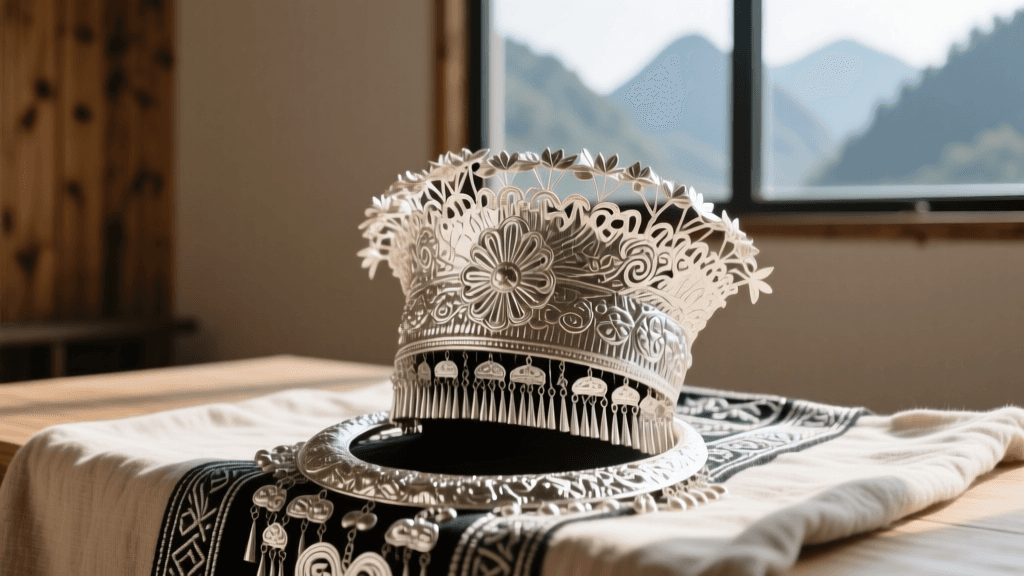
Traditional Chinese bridal attire demands specific jewelry to complete the look. For the Qungua and Xiuhe Fu, brides typically wear a Longfeng Zhuo (dragon and phoenix bangle) and multiple layers of gold necklaces. Hair is usually styled in an elaborate updo adorned with gold filigree hairpins and red silk flowers. When wearing a Qipao, brides often switch to jade bangles or pearl drop earrings for a more streamlined, elegant aesthetic.
For a deeper understanding of how these garments fit into the broader context of Chinese cultural celebrations and ancestral rituals, resources like China Highlights provide excellent overviews of the ceremonial timeline.
Conclusion
Choosing between a Qungua, Xiuhe Fu, and Qipao is not merely a fashion decision; it is a profound connection to centuries of Chinese artistry and familial tradition. By understanding the distinct embroidery grades, silhouette benefits, and tailoring requirements of each garment, brides can curate a wedding wardrobe that is both culturally authentic and personally comfortable. Plan your fittings early, invest in quality craftsmanship, and wear your heritage with pride on your wedding day.