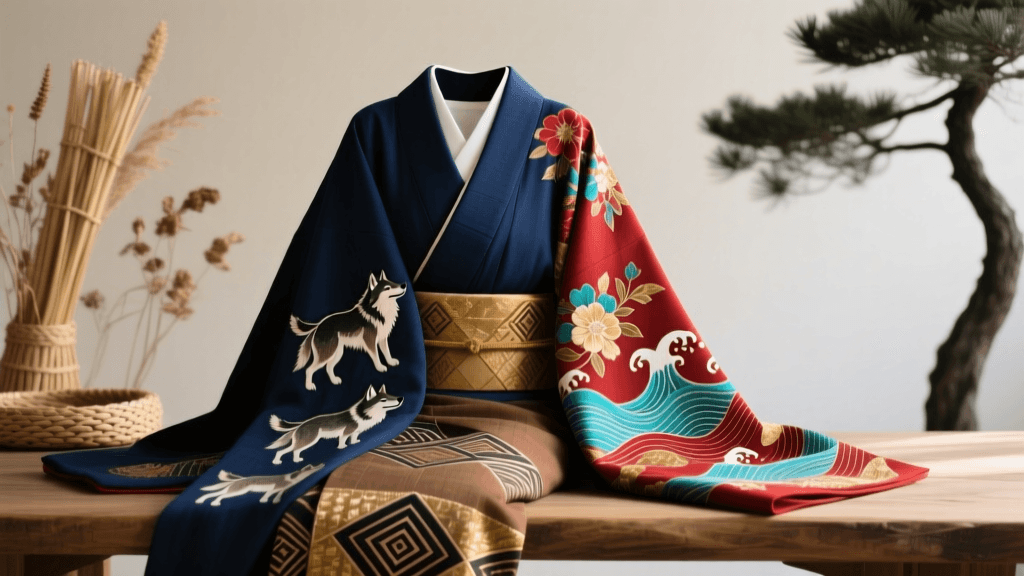
Ryusou and Attus: Guide to Ryukyuan and Ainu Dress
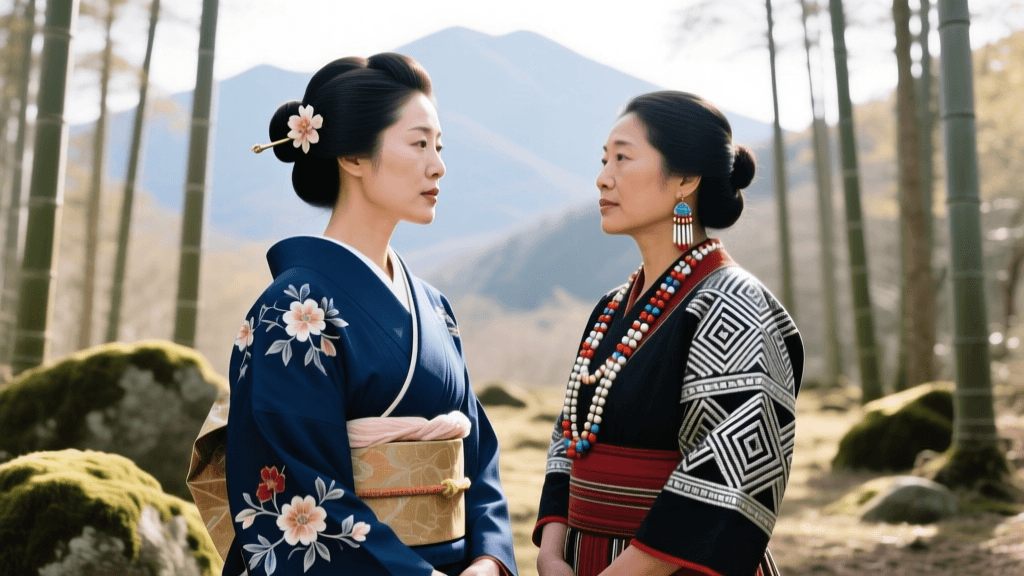
Beyond the Kimono: Japan’s Indigenous and Minority Textiles
When the world thinks of traditional Japanese clothing, the Yamato-dominated kimono immediately comes to mind. However, the Japanese archipelago is home to a rich tapestry of indigenous and ethnic minority cultures, each with its own distinct sartorial heritage. From the tropical, vibrant textiles of the Ryukyuan people in the southern Ryukyu Islands (modern-day Okinawa) to the rugged, deeply spiritual garments of the Ainu in the northern island of Hokkaido, Japan’s minority dress traditions offer a fascinating counter-narrative to mainstream Japanese fashion. This comprehensive guide explores the materials, craftsmanship, and contemporary relevance of Ryukyuan Ryusou and Ainu Attus, providing actionable advice for collectors, cultural enthusiasts, and travelers seeking authentic experiences.
The Ryukyuan Ryusou: Tropical Elegance of the South
The Ryukyu Kingdom (1429–1879) was a thriving maritime hub that traded extensively with China, Southeast Asia, and mainland Japan. This cosmopolitan history is woven directly into the fabric of Ryusou, the traditional dress of the Ryukyuan people. Unlike the heavy, multi-layered silk kimono of the mainland, Ryusou was engineered for a humid, subtropical climate.
The foundational textile of Ryukyuan culture is bashofu, a remarkably lightweight and breathable fabric woven from the fibers of the Japanese banana plant. For the nobility and royalty, garments were dyed using bingata, a vivid, resist-dyeing technique utilizing stencils and natural pigments like indigo, safflower, and turmeric. The resulting motifs—featuring tropical flora, dragons, and ocean waves—reflect the island's lush environment and spiritual beliefs.
Key Components of Ryusou
- Jinban: A lightweight, cross-collared inner shirt, typically made of white or pale cotton.
- Fujin: A wide, wrap-around skirt that serves as the base layer, often featuring subtle woven patterns.
- Uchikake: An outer robe worn unbelted or loosely tied, showcasing elaborate bingata dyeing for formal occasions.
- Hachimaki: A traditional headwrap worn by men, often indicating social rank or village origin through its specific wrapping style and color.
Practical Guide: Experiencing and Acquiring Ryusou
For travelers and textile enthusiasts visiting Okinawa, experiencing Ryusou firsthand is highly accessible. According to resources from Visit Okinawa, numerous cultural centers and studios along Kokusai Dori in Naha offer Ryusou rentals and dressing experiences.
- Costs: A standard two-hour Ryusou rental, including professional dressing and a photoshoot, ranges from 5,000 to 10,000 JPY (approx. $35–$70 USD). Purchasing an authentic, hand-woven bashofu kimono is a significant investment, often starting at 300,000 JPY ($2,000+ USD) due to the months of labor required to extract and spin the banana fibers.
- Measurements & Sizing: Ryusou skirts (fujin) are highly forgiving, utilizing a wrap-and-tie method that accommodates waist measurements from 60cm to 110cm. However, the shoulder drop of the uchikake is crucial; visitors over 175cm (5'9") should request custom-fitted rentals in advance, as standard tourist sizes are tailored to average local heights.
- Timing: The optimal time to wear full Ryusou is during the spring (March-April) or autumn (October-November). Attempting to wear layered traditional garments in the peak humidity of July and August can be physically taxing, so summer visitors are advised to opt for lightweight, modern bingata yukata alternatives.
Ainu Attire: The Resilient Spirit of the North
In stark contrast to the subtropical south, the Ainu people, the indigenous inhabitants of Hokkaido, Sakhalin, and the Kuril Islands, developed clothing suited for harsh, freezing winters and deep forest foraging. Ainu traditional dress is profoundly tied to Kamuy (animistic spirits), with every material sourced from the natural world and every garment treated as a living entity.
The most iconic Ainu garment is the attus, a durable, water-resistant robe woven from the inner bark of the Manchurian elm tree. The labor-intensive process involves peeling the bark, soaking it, and separating the fibers by hand before weaving it on a backstrap loom. For winter wear and ceremonial purposes, the Ainu also utilized salmon skin (for waterproof boots), bear fur, and dog hair. Over time, trade with the mainland introduced cotton, which Ainu women masterfully appliquéd and embroidered with intricate, thorn-like patterns to ward off evil spirits.
Key Components of Ainu Dress
- Attus: The foundational elm-bark robe, worn by both men and women as everyday workwear.
- Chikarkarpe: A heavy, sleeveless or short-sleeved vest worn over the attus, heavily decorated with cotton appliqué in sacred spiral (moreu) and thorn (aiushi) motifs.
- Tepa: Leggings made from deer skin or woven elm bark, essential for navigating deep snow and thorny underbrush.
- Sapanpe: A highly sacred, carved wooden crown worn exclusively by men during major religious ceremonies, adorned with animal effigies and wood shavings.
Practical Guide: Sourcing Ainu Textiles in Hokkaido
To respectfully engage with and acquire Ainu textiles, visitors should prioritize indigenous-run cooperatives and official cultural institutions. The Upopoy (National Ainu Museum and Park) in Shiraoi, Hokkaido, is the premier destination for understanding the historical context of these garments and supporting contemporary Ainu artisans.
- Costs: Authentic, vintage attus robes are rare museum pieces, but modern Ainu artisans create stunning embroidered accessories. A hand-embroidered cotton clutch or wallet featuring traditional moreu motifs typically costs between 8,000 and 15,000 JPY ($55–$100 USD). Full ceremonial reproduction sets (chikarkarpe) crafted by master artisans can exceed 150,000 JPY ($1,000 USD).
- Measurements: Traditional Ainu robes are cut in a simple T-shape with wide, straight sleeves. When purchasing modern reproductions or textile jackets, focus on the chest and shoulder measurements. A standard medium chikarkarpe vest fits a chest circumference of 95-105cm (37-41 inches) and is designed to be worn loosely over base layers.
- Timing: Plan your visit to Hokkaido in late September to coincide with the autumn salmon runs and various harvest festivals, where traditional attire is worn during the Asir Cep Nomi (new salmon ceremony). This provides a rare opportunity to see functional, ceremonial garments in their proper environmental context.
Comparative Analysis: Ryusou vs. Ainu Traditional Dress
| Feature | Ryukyuan Ryusou | Ainu Traditional Dress |
|---|---|---|
| Origin & Climate | Okinawa (Subtropical, humid) | Hokkaido (Subarctic, snowy) |
| Primary Base Material | Banana fiber (bashofu), Cotton, Silk | Elm bark (attus), Salmon skin, Animal hides |
| Key Decorative Technique | Bingata (Stencil resist-dyeing) | Appliqué and Embroidery (moreu spirals) |
| Essential Accessory | Hachimaki (Headwrap) | Sapanpe (Carved wooden crown) |
| Modern Availability | Widely available for rent in Naha; modern resort wear | Primarily museum exhibits; artisan accessories available |
| Average Cost (Experience) | 5,000 - 10,000 JPY (Rental) | 8,000 - 15,000 JPY (Artisan Accessory) |
Integrating Minority Textiles into Modern Fashion
For global fashion enthusiasts looking to incorporate these minority traditions into a contemporary wardrobe without engaging in cultural appropriation, the key is to support authentic artisans and focus on textile integration rather than wearing full ceremonial garments out of context.
Ryukyuan Bingata: Many Okinawan studios now produce modern silhouettes using traditional bingata stencils. Look for tailored aloha shirts, silk scarves, or structured tote bags. These items maintain the vibrant, tropical aesthetic of the Ryukyu Islands while fitting seamlessly into modern streetwear or resort wear. Ensure the product explicitly states it was dyed in Okinawa by certified artisans.
Ainu Embroidery: The striking, geometric moreu (spiral) patterns of Ainu embroidery translate beautifully to modern denim and heavy canvas. Collaborations between Hokkaido-based Ainu artists and Japanese denim brands have yielded limited-edition jackets and jeans featuring subtle, tonal embroidery on the back pockets or cuffs. This approach honors the protective symbolism of the thorn motifs while remaining highly wearable.
Conclusion
The sartorial traditions of the Ryukyuan and Ainu peoples are not mere historical relics; they are living, breathing expressions of resilience, environmental harmony, and cultural pride. By understanding the distinct climates, materials, and spiritual beliefs that shaped the Ryusou and the Attus, we gain a much deeper appreciation for the true diversity of the Japanese archipelago. Whether you are renting a vibrant bingata robe in Naha or admiring the meticulous elm-bark weaving at Upopoy, engaging with these minority garments offers a profound connection to the indigenous soul of Japan.