Recreating Iconic Hanfu of Famous Chinese Historical Figures

The Intersection of History and Hanfu
Traditional Chinese clothing, broadly known as hanfu, is far more than a mere collection of historical garments; it is a woven tapestry of China's dynastic history, social hierarchies, and artistic evolution. In recent years, a massive cultural renaissance has swept across Asia and the global diaspora. As noted by China Daily, the modern hanfu movement has transformed traditional attire from museum relics into vibrant, everyday streetwear and high fashion. For enthusiasts and historical costumers alike, recreating the specific outfits of iconic historical figures offers a profound way to connect with the past.
This guide delves into the wardrobes of three legendary Chinese figures: the diplomatic envoy Wang Zhaojun, the only female emperor Wu Zetian, and the romantic poet Li Bai. We will break down their iconic looks, the essential undergarments and structural layering required for authenticity, and provide actionable advice on sourcing, sizing, and styling these garments today.
Wang Zhaojun: The Han Dynasty Quju Pao and the Fox Fur Cloak
Wang Zhaojun, one of the Four Great Beauties of ancient China, is most famously depicted in her 'Hujia' (barbarian) attire or her elegant Han Dynasty court dress as she departed for the Xiongnu territories to secure a peace marriage. The quintessential Han Dynasty silhouette is defined by the Quju Pao (curved-hem robe), characterized by its deep, wrapping collar and sweeping, asymmetrical hemline that trails elegantly on the ground.
Structural Layering and Undergarments
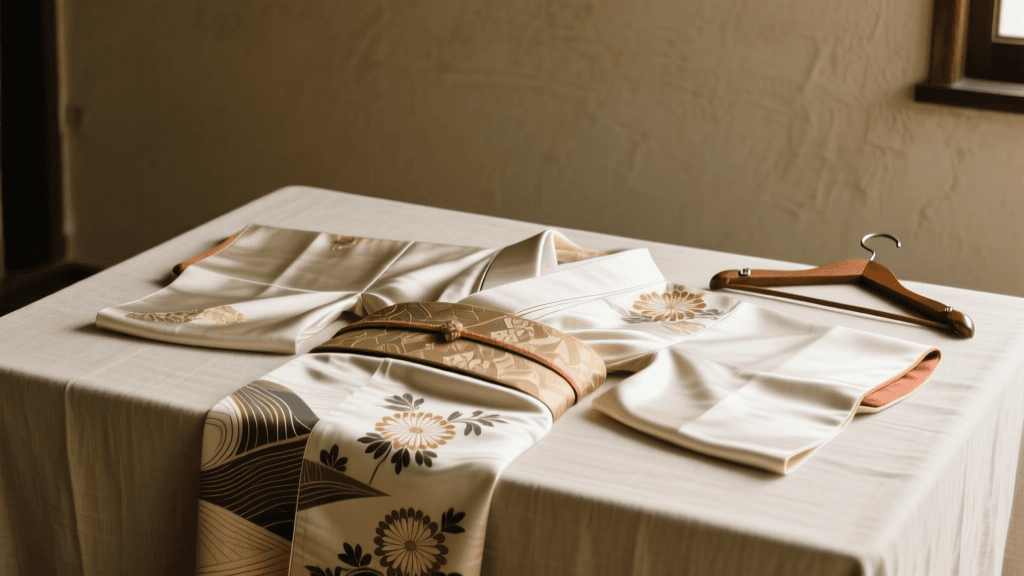
To achieve the authentic Han Dynasty look, the layering is paramount. The foundation begins with the Zhongyi (inner garment). For Wang Zhaojun's look, choose a white or unbleached linen Zhongyi with a contrasting dark collar. The golden rule of hanfu is 'jiaoling youren'—the left side of the collar must always cross over the right. Over the Zhongyi, the Quju Pao is wrapped tightly at the waist and secured with a woven silk sash. To replicate her journey to the northern steppes, the outfit is completed with a Dahu, a luxurious faux-fox fur cloak draped over the shoulders, providing both dramatic visual weight and historical accuracy for her northern travels.
Modern Recreation and Sourcing Guide
- Fabric Choice: Opt for a heavy linen-cotton blend or matte crepe for the Quju Pao to ensure the hem drapes heavily and resists wrinkling. Avoid shiny satins, which look anachronistic for the Han Dynasty.
- The Cloak: Source a high-quality faux-fur Dahu with a brocade lining. Look for a cloak length of approximately 90cm to 110cm so it rests just below the hips.
- Estimated Cost: A complete, high-quality Quju Pao set with a faux-fur cloak typically ranges from $80 to $150 USD from specialized hanfu boutiques.
Wu Zetian: Tang Dynasty Opulence and the Qixiong Ruqun
Wu Zetian, the sole female emperor in Chinese history, ruled during the Tang Dynasty—a period celebrated for its cosmopolitanism, wealth, and bold fashion. The iconic silhouette of Tang dynasty women is the Qixiong Ruqun (chest-high skirt), often paired with a Daxiushan (large-sleeved shirt). According to the Metropolitan Museum of Art, Tang Dynasty silk weaving reached unprecedented levels of complexity, allowing for the vibrant, heavily patterned textiles favored by the imperial court.
Undergarments and Anti-Slip Solutions
The most common challenge modern wearers face with the Qixiong Ruqun is keeping the chest-high skirt from slipping down. Historically, women wore a Hezi (a strapless, structured bodice or tube top) beneath the skirt to provide a grippy foundation and ensure modesty. Today, you can replicate this structure by wearing a modern, boned strapless corset or a specialized silicone-lined hanfu under-tube. When tying the skirt, use the 'cross-tie' method: wrap the long ties around your back, cross them over your chest, and tie them securely at the side rather than the front, which prevents the knot from pulling the fabric downward.
Styling the Imperial Look
- Fabric Choice: To emulate Wu Zetian's imperial status, select a Qixiong skirt made from heavy jacquard brocade or woven gold-thread silk. The Daxiushan should be made of sheer, lightweight silk organza or chiffon to create a striking contrast in textures.
- Measurements: The skirt length must be measured from your armpit to the floor, plus an additional 5cm for the hem. Ensure the chest circumference of the skirt is at least 1.5 times your actual chest measurement to allow for the overlapping wrap.
- Estimated Cost: Authentic brocade Tang-style sets are more expensive due to the intricate weaving. Expect to pay between $120 and $250 USD for a premium set.
Li Bai: The Scholar's Yuanlingpao and Die-Xie Belt
Li Bai, the legendary Tang Dynasty poet, represents the romantic, free-spirited scholar. His iconic attire is the Yuanlingpao (round-collar robe), a versatile garment worn by men across various social strata, but styled by scholars with a relaxed, flowing elegance. As recognized by UNESCO Intangible Cultural Heritage, the mastery of traditional silk and textile craftsmanship in China allowed for garments that were both durable for travel and refined enough for courtly poetry readings.
Layering the Scholar's Robe
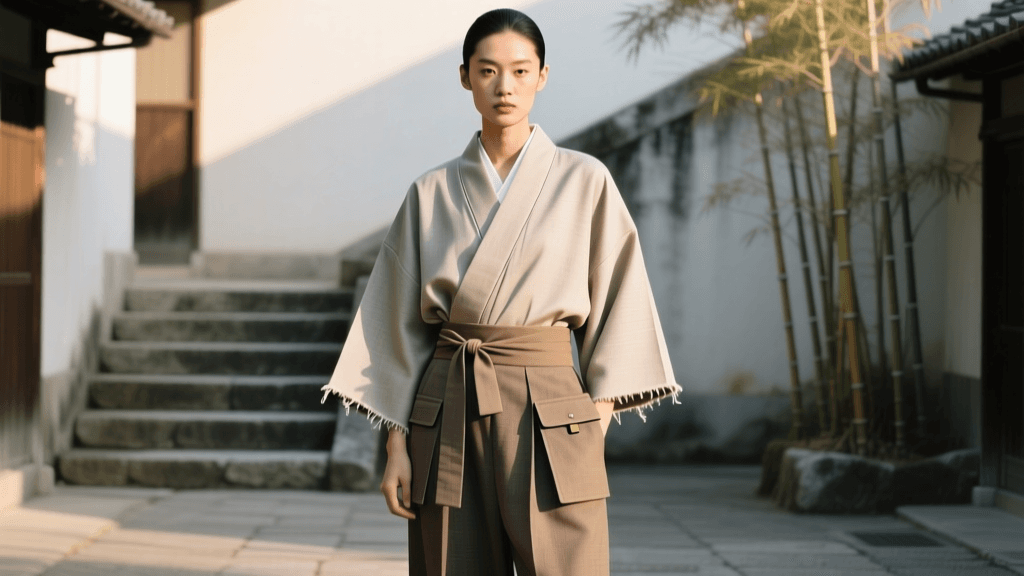
Beneath the Yuanlingpao, a scholar would wear Ku (traditional loose-fitting trousers) and a lightweight Zhongyi. The round collar can be worn buttoned at the neck for formal occasions, or unbuttoned and folded outward to reveal the contrasting collar of the inner garment, projecting a relaxed, bohemian vibe suitable for Li Bai's wine-soaked poetry sessions. The robe is cinched at the waist with a Die-Xie belt, a functional leather belt featuring small hanging loops originally designed to carry tools, seals, and pouches.
Sourcing the Poet's Wardrobe
- Fabric Choice: Choose washed linen, raw silk, or a cotton-linen blend in earthy, muted tones like slate blue, bamboo green, or ink black. The fabric should have a natural, slightly textured slub.
- Accessories: Pair the robe with a traditional Putou (a stiffened black headwear) or a simple scholar's cap. Footwear should consist of black cotton 'cloud shoes' with thick, layered white soles.
- Estimated Cost: A linen Yuanlingpao and Die-Xie belt set is highly accessible, generally costing between $60 and $110 USD.
Comparative Guide: Recreating the Icons
When planning your historical recreation, use this table to compare the structural and financial requirements of each iconic figure's wardrobe.
| Historical Figure | Era | Key Outer Garment | Essential Undergarment | Best Modern Fabric | Est. Cost (USD) |
|---|---|---|---|---|---|
| Wang Zhaojun | Han Dynasty | Quju Pao (Curved-Hem Robe) | Zhongyi (Inner Layer) | Heavy Linen / Matte Crepe | $80 - $150 |
| Wu Zetian | Tang Dynasty | Qixiong Ruqun (Chest Skirt) | Hezi (Strapless Bodice) | Jacquard Brocade / Organza | $120 - $250 |
| Li Bai | Tang Dynasty | Yuanlingpao (Round-Collar) | Ku (Trousers) / Zhongyi | Washed Linen / Raw Silk | $60 - $110 |
Essential Measurements for Traditional Flat-Cutting
Unlike Western fashion, which relies on complex darts and curved seams to fit the body's contours, traditional hanfu utilizes 'flat-cutting'. The fabric is cut in straight lines and relies on wrapping, folding, and belting to conform to the wearer. Therefore, standard Western sizing (S, M, L) is often inadequate. When ordering from traditional makers or Taobao agents, you must provide the following specific measurements:
- Arm Span (Wingspan): Measure from the tip of your left middle finger, across your back, to the tip of your right middle finger. This dictates the sleeve length and the width of the back panel, ensuring the characteristic 'pipa' or wide sleeves drape correctly.
- Height and Skirt Length: For chest-high skirts, measure from the armpit down to your ankle bone. For ground-sweeping Han Dynasty robes, measure from the base of the neck to the floor, adding 5cm for the hem allowance.
- Chest and Waist Circumference: Because hanfu wraps, your actual chest and waist measurements must be multiplied by 1.5 to ensure the 'youren' (right-over-left) overlap is secure and provides adequate coverage without gaping.
Styling Tip: Always invest in a pair of traditional 'cloud shoes' or thick-soled cloth boots. Hanfu skirts and robes are often measured to graze the floor. Modern sneakers or heels will disrupt the hemline, cause tripping hazards, and break the historical illusion. A traditional 3cm to 5cm cloth sole provides the necessary lift and historical accuracy.
Conclusion
Recreating the garments of Wang Zhaojun, Wu Zetian, and Li Bai is an exercise in historical empathy and sartorial artistry. By understanding the foundational undergarments, respecting the flat-cutting geometry, and choosing textiles that reflect the socio-economic realities of their respective eras, modern wearers can do more than just play dress-up. They can breathe life into the vibrant, enduring legacy of Asian traditions, ensuring that the poetry, power, and diplomacy of China's past continue to drape elegantly across the present.