Modern Kimono Streetwear: Styling Haori and Hakama Today
The Renaissance of Japanese Streetwear
For decades, the global fashion industry has looked to Tokyo’s Harajuku and Shibuya districts as the epicenter of avant-garde streetwear. Yet, one of the most compelling movements in contemporary Japanese fashion isn't entirely new—it is a radical reimagining of the old. The modern revival of traditional Japanese garments, specifically the haori (jacket) and hakama (pleated trousers), has bridged the gap between centuries-old sartorial rules and modern urban utility. According to the Metropolitan Museum of Art, the evolution of the kimono and its associated garments has always been a dialogue between strict tradition and dynamic, contemporary expression The Kimono Style.
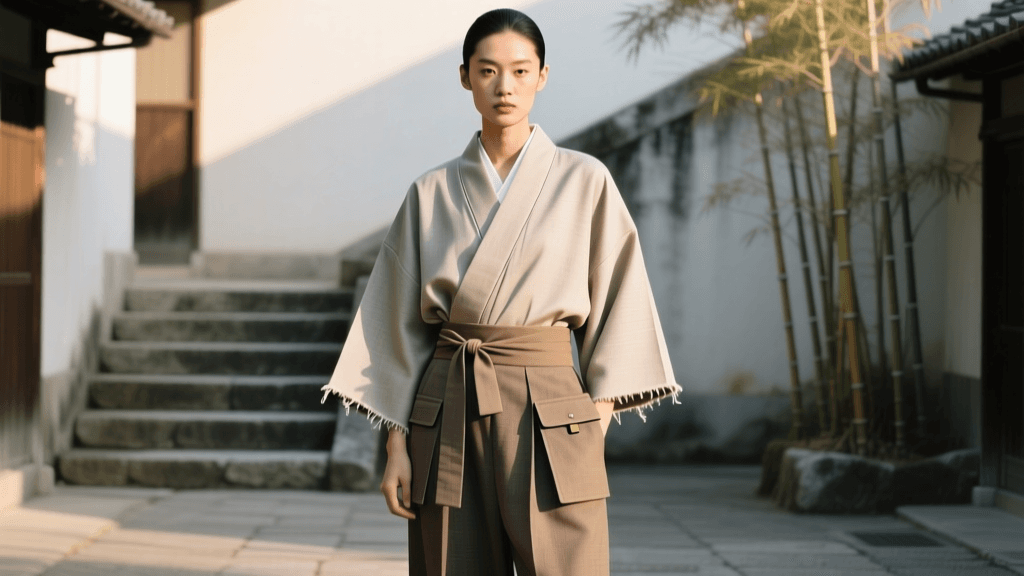
Today, streetwear enthusiasts and high-fashion designers alike are deconstructing these silhouettes. By treating the haori as an oversized outerwear piece and the hakama as a dramatic wide-leg trouser, fashion-forward individuals are creating a hybrid aesthetic that honors Japanese heritage while prioritizing modern mobility and comfort. This guide will provide you with actionable advice on how to source, size, and style these traditional garments for a contemporary urban wardrobe.
The Haori: Your New Favorite Outerwear
Historically, the haori was worn over the kimono to provide warmth or denote formal status. In modern streetwear, it has been liberated from the obi and the underlying kimono layers, functioning much like a duster coat, a cardigan, or an open blazer. The beauty of the haori lies in its T-shaped, straight-seam construction, which offers a striking, boxy silhouette that layers effortlessly over Western clothing.
Sizing and Measurements
Unlike Western jackets, haori do not have tailored shoulders or darts. They are measured primarily by yuki (wingspan, measured from the center back of the neck to the wrist) and mitake (back length). For a modern streetwear look, you want an intentional, oversized drape.
- Yuki (Wingspan): Look for a measurement between 125 cm and 135 cm (approx. 49–53 inches). This ensures the sleeves will drape past the wrist, creating a relaxed, avant-garde profile.
- Mitake (Length): A length of 80 cm to 95 cm (approx. 31–37 inches) is ideal. This hits around the mid-thigh, providing excellent coverage over longline t-shirts or hoodies without overwhelming your frame.
- Sodeguchi (Sleeve Opening): Ensure the sleeve opening is at least 35 cm wide to accommodate thick winter layers like chunky knits or hoodies underneath.
Styling the Haori for the Streets
The golden rule of modern haori styling is contrast. Pair the fluid, often ornate silk of a vintage haori with structured, utilitarian streetwear staples.
- The Winter Layer: Wear a mid-weight black turtleneck, straight-leg raw denim jeans, and chunky boots. Drape a dark, subtly patterned silk haori over the top. Leave it completely open; the haori is traditionally secured by a haori himo (braided cord), but in streetwear, letting it flow freely adds kinetic movement to your stride.
- The Summer Breeze: Opt for a lightweight, unlined cotton or linen shifu haori. Wear it open over a crisp white heavyweight t-shirt, cropped tactical trousers, and minimalist sneakers. The breathable natural fibers make it an exceptional alternative to a denim jacket.
Hakama: From Martial Arts to Urban Runways
The hakama is perhaps the most visually striking garment in the traditional Japanese wardrobe. Characterized by its deep, structured pleats and wide stance, it was originally worn by samurai for protection and mobility. Today, it serves as the ultimate statement trouser in the streetwear lexicon, rivaling the popularity of Western wide-leg and parachute pants.
Choosing the Right Hakama
There are two primary types of hakama, and choosing the right one is crucial for streetwear integration:
- Umanori (Divided Hakama): These are essentially culottes or split skirts. The legs are divided, making them infinitely more practical for navigating city streets, riding bicycles, and climbing stairs. This is the mandatory choice for urban streetwear.
- Andon (Undivided Hakama): These are tube-like and undivided. While elegant, they restrict the stride and are highly impractical for dynamic urban environments. Save these for stationary, formal events.
When sourcing hakama for daily wear, avoid delicate vintage silks. Instead, seek out modern reproductions made from tetron (a polyester-rayon blend) or heavy cotton canvas. Tetron is favored in martial arts for its durability, wrinkle resistance, and machine-washability, making it perfect for the rigors of street life. Expect to pay between $60 and $120 for a high-quality, modern tetron hakama.
Footwear Pairings: The Tabi Revolution
Traditional hakama are worn with zori sandals and split-toe tabi socks. To adapt this for the concrete jungle, the footwear must be modernized. The most direct translation is the Maison Margiela Tabi Boot or Sneaker, which retails between $600 and $1,000. For a more budget-friendly and athletic approach, Nike’s ISPA line or specialized jika-tabi (tabi shoes with rubber soles) from brands like Rikio ($40–$80) offer incredible grip and maintain the split-toe silhouette that visually anchors the wide pleats of the hakama.
Sourcing and Budgeting Guide
Building a traditional-meets-modern wardrobe requires knowing where to look. Below is a comparative breakdown of sourcing strategies for your haori and hakama.
| Sourcing Method | Garment Type | Estimated Cost (USD) | Pros & Cons |
|---|---|---|---|
| Vintage Kimono Dealers (e.g., Chicago Kimono, online Etsy sellers) | Silk Haori | $35 - $90 | Pros: Unique patterns, high-quality silk, sustainable. Cons: Fragile, dry-clean only, fixed vintage sizing. |
| Modern Workwear Brands (e.g., Sou Sou, Yamato) | Cotton/Linen Haori & Hakama | $120 - $250 | Pros: Contemporary cuts, machine washable, durable. Cons: Higher price point, limited seasonal drops. |
| Martial Arts Suppliers (e.g., Tozando, Kendo shops) | Tetron Hakama | $50 - $110 | Pros: Extremely durable, wrinkle-resistant, affordable. Cons: Limited to solid, conservative colors (black, navy, white). |
Practical Care and Maintenance
Integrating traditional garments into a daily rotation requires a shift in how you care for your clothing. Vintage silk haori should never be machine washed. Instead, adopt the Japanese practice of kagemawashi (airing out). After wearing your silk haori, hang it on a wide, padded hanger in a well-ventilated, shaded area for 24 hours to release moisture and odors. Spot clean minor stains with a damp microfiber cloth and mild, pH-neutral detergent.
For cotton and tetron pieces, machine washing on a gentle, cold cycle inside a mesh laundry bag is perfectly safe. However, never use a tumble dryer. The high heat will destroy the structural integrity of the hakama pleats and shrink the cotton haori. Hang them to dry, and if your hakama pleats begin to soften, use a traditional wooden hakama-oshi (pleat board) or simply fold them carefully along their original crease lines and press with a low-heat iron and a pressing cloth.
The Cultural Dialogue of Modern Styling
Wearing traditional Japanese garments in a modern, global context is an exercise in cultural appreciation and sartorial innovation. As noted by the Victoria and Albert Museum in their extensive exploration of the kimono's global impact, the garment has never been static; it has continuously absorbed foreign influences while simultaneously shaping global fashion Kimono: Kyoto to Catwalk. By thoughtfully integrating the haori and hakama into your streetwear rotation, you are participating in this ongoing, living history. You are not merely wearing a costume; you are styling a functional, historical masterpiece for the modern urban landscape.