The Ultimate Care Guide for Silk and Brocade Hanfu
The Renaissance of Traditional Chinese Garments
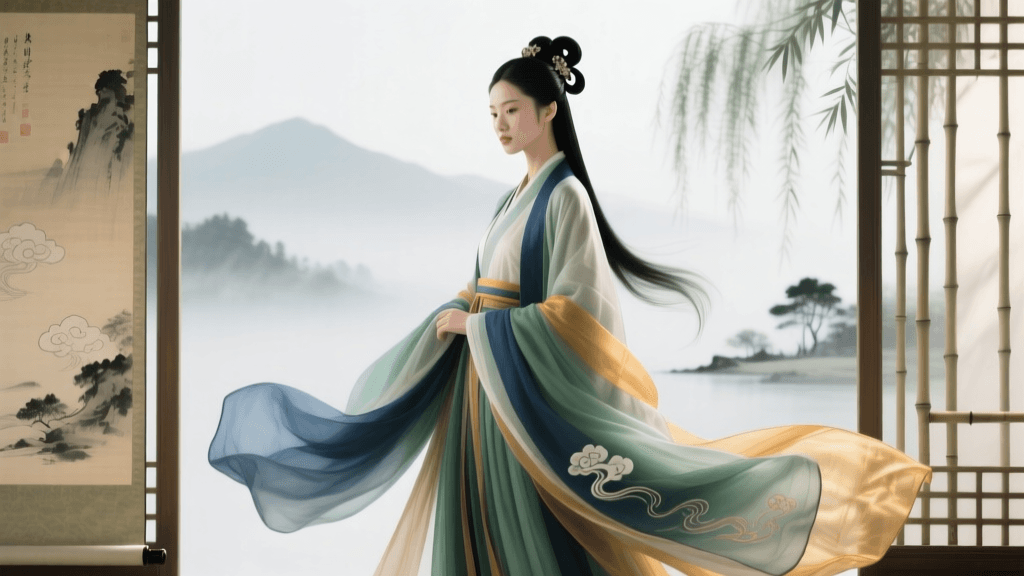
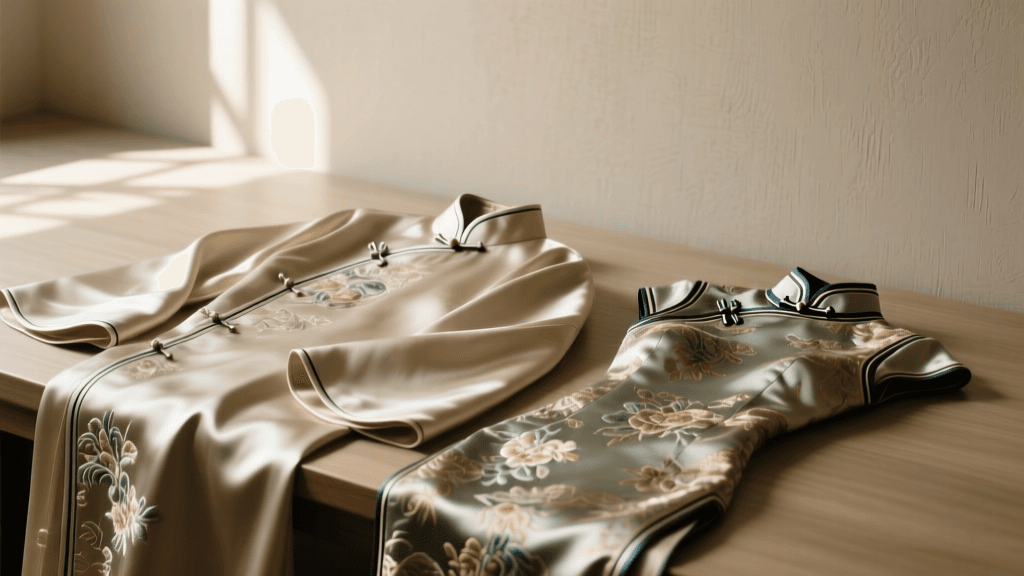
The global resurgence of traditional Chinese clothing, from the flowing elegance of Hanfu to the tailored sophistication of the Qipao (Cheongsam), has brought centuries-old textile arts back into everyday wardrobes. Furthermore, the modern 'Xin Zhongshi' (New Chinese Style) movement has seamlessly blended traditional silk and brocade fabrics with contemporary silhouettes, making these delicate materials more prevalent than ever. However, owning these exquisite garments comes with a significant responsibility. Unlike modern synthetic blends, traditional fabrics like mulberry silk, Song brocade, and ramie require meticulous, specialized care to maintain their structural integrity, vibrant dyes, and historical authenticity. Whether you are caring for a delicate summer ruqun, a heavily embroidered Ming Dynasty-style Aoqun, or a modern Xin Zhongshi silk blouse, understanding the specific needs of these fibers is essential. This comprehensive guide provides actionable, expert-backed advice on washing, drying, ironing, and storing your traditional Asian garments to ensure they last for generations.
Understanding Your Traditional Fabrics
Before applying water or heat to your garments, it is crucial to identify the fabric composition. Traditional Chinese textiles are predominantly protein-based (silk) or cellulose-based (ramie, linen, cotton), with brocades often featuring complex blends of silk and metallic threads. Treating a protein fiber with the same methods used for cellulose fibers can lead to irreversible damage. Below is a structured comparison chart to help you identify the care requirements for the most common traditional fabrics.
| Fabric Type | Common Garments | Wash Method | Iron Temperature | Storage Needs |
|---|---|---|---|---|
| Mulberry Silk | Summer Hanfu, Qipao, Ruqun | Hand wash cold / Delicate | Low (110°C / 230°F) | Away from light, padded hanger |
| Song / Zhuanghua Brocade | Ming Dynasty Aoqun, Winter Qipao | Dry clean only | Low with pressing cloth | Folded with acid-free tissue |
| Ramie / Linen | Everyday Hanfu, Song Dynasty Beizi | Machine wash gentle | High (150°C / 300°F) | Standard breathable garment bag |
| Silk-Synthetic Blends | Xin Zhongshi Tops, Modern Qipao | Hand wash or dry clean | Medium (150°C / 300°F) | Standard breathable garment bag |
The Art of Washing: Hand-Washing vs. Dry Cleaning
When washing delicate silk hanfu, such as a lightweight ruqun or a modern Xin Zhongshi silk blouse, never use standard alkaline laundry detergents. Silk is a protein fiber, much like human hair, and alkaline solutions (pH above 7) will strip the natural sericin, leading to brittleness, color bleeding, and a permanent loss of luster. Instead, opt for a pH-neutral, enzyme-free detergent. Products like Eucalan Fine Fabric Wash (approx. $12 for 16oz) or The Laundress Delicate Wash (approx. $20 for 16oz) are formulated specifically for protein fibers and contain natural softeners like lanolin. According to the The Laundress Fabric Care Guide, enzyme-free formulas are critical because biological enzymes designed to break down food stains will actively digest and weaken silk proteins over time.
To hand-wash your silk garments, fill a clean basin with cool water, strictly maintaining a temperature of 30°C (86°F) or lower. Submerge the garment and gently agitate it with your hands for 3 to 5 minutes. Do not twist, wring, or scrub the fabric, as wet silk loses up to 20% of its tensile strength and is highly susceptible to warping and seam tearing. For heavily structured garments, such as lined brocade Mamianqun (horse-face skirts) or Qipaos with intricate metallic embroidery and stiff interlinings, hand-washing is strictly prohibited. The metallic threads (often made of copper or aluminum alloys coated in synthetic resins) will tarnish or snap when submerged. These garments must be taken to a professional dry cleaner experienced in handling traditional formalwear, which typically costs between $25 and $45 per garment depending on the embellishments.
Drying and Ironing Techniques for Delicate Textiles
Proper drying is just as critical as the washing process. According to the Canadian Conservation Institute (CCI), direct sunlight and high heat are the primary enemies of historic and delicate textiles, causing irreversible photo-oxidation and fiber degradation. Never hang silk or brocade garments in direct sunlight or near a heat radiator to dry. Instead, lay the washed garment flat on a clean, dry, white cotton towel. Roll the towel and garment together like a sleeping bag to gently press out excess moisture without wringing. Unroll and lay the garment flat on a mesh drying rack in a well-ventilated, shaded room.
When it comes to ironing, heat management is paramount. Always use a high-quality cotton pressing cloth between the iron and the silk or brocade fabric. Direct contact with a hot iron plate will instantly scorch silk, leaving a permanent yellow or brown shine. Set your steam iron to the 'Silk' or 'Low' setting, which corresponds to approximately 110°C (230°F). Iron the garment while it is still slightly damp, or use the steam burst function, always gliding the iron in the direction of the fabric's grain to prevent stretching. For pleated garments like the Mamianqun, use heavy wooden clamps or specialized pleat boards to hold the knife pleats in place while lightly steaming them to maintain their razor-sharp historical structure.
Long-Term Storage and Preservation Strategies
How you store your traditional garments during the off-season will dictate their lifespan. As noted by The Metropolitan Museum of Art's Heilbrunn Timeline of Art History, silk is highly susceptible to environmental damage, particularly from fluctuating humidity, acidic materials, and prolonged light exposure. To combat this, you must curate a specialized storage environment.
First, never use wire or bare wooden hangers for heavy or delicate traditional clothing. Wire hangers will cause permanent shoulder dimples and stress the delicate warp threads, while untreated wood can off-gas acidic vapors that yellow silk. Invest in wide, padded hangers wrapped in unbleached muslin or 100% cotton (approx. $8 to $12 each). For heavily embroidered winter Qipaos or dense brocade jackets, the weight of the embroidery can pull the garment out of shape over time; these should be stored flat.
When folding brocade or heavy silk garments, place pH-neutral, acid-free tissue paper (approx. $15 for a pack of 100 sheets) between every fold to prevent hard creases that can eventually snap the fibers. Place the folded garments inside unbleached cotton garment bags or archival-quality storage boxes. Avoid plastic dry-cleaning bags or PVC storage bins, which trap moisture and off-gas chemicals that degrade natural fibers. To protect against moths and carpet beetles without using harsh chemical mothballs that leave a toxic residue, place natural cedar blocks or dried lavender sachets in the storage area. Sand the cedar blocks lightly every six months to refresh their natural insect-repelling oils.
Emergency Stain Removal Protocol
Accidents happen, especially during vibrant festival wear or tea ceremonies. When a spill occurs on silk or brocade, immediate action is required, but harsh rubbing must be avoided. For water-based stains like tea or wine, gently blot the area with a clean, dry, white microfiber cloth to absorb the liquid. Do not use commercial stain removers containing bleach or ammonia, as these will dissolve the silk fibers and strip the dye.
For oil-based stains, such as makeup or food grease, sprinkle a small amount of cornstarch or talc-free baby powder onto the spot and let it sit for 24 hours to draw out the lipid. Gently brush the powder away with a soft-bristled makeup brush. If the stain persists, it is best to take the garment to a professional textile conservator or a specialized dry cleaner, pointing out the exact nature of the stain so they can use targeted, fabric-safe solvents.
Conclusion
Caring for Hanfu, Qipao, and Xin Zhongshi garments is an extension of the respect and appreciation for the rich cultural heritage they represent. By understanding the unique biological makeup of silk and the structural complexities of brocade, you can protect your investments and keep these beautiful traditions alive in your modern wardrobe. With the right pH-neutral products, controlled temperatures, and archival storage methods, your traditional Asian garments will remain vibrant, elegant, and structurally sound for decades to come.