Start a Kimono Rental Shop: Business & Operations Guide
amara diallo·
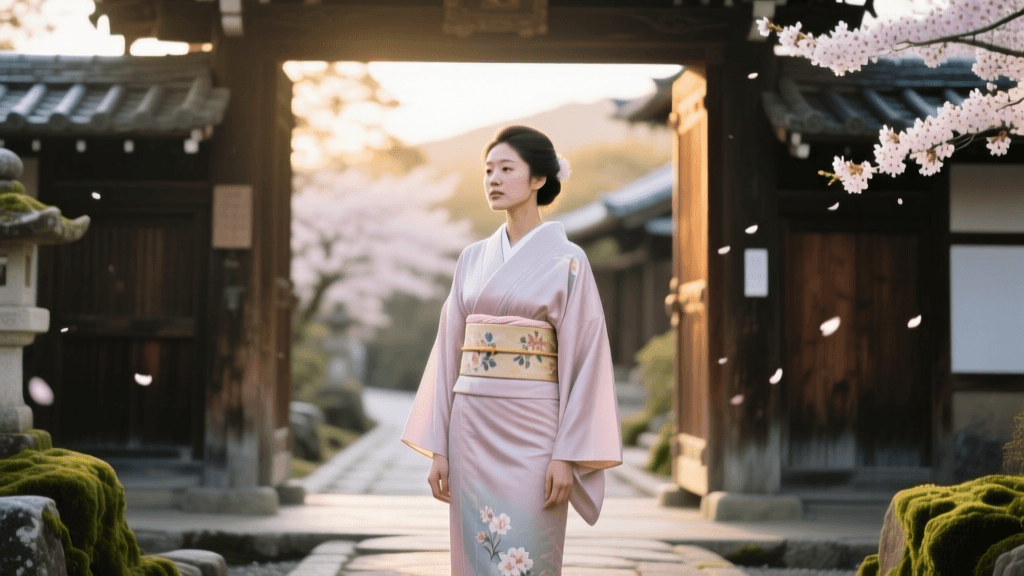
The global fascination with Japanese traditional garments has transformed the kimono from a strictly ceremonial attire into a highly sought-after experiential fashion. According to the Victoria and Albert Museum's landmark exhibition, Kimono: Kyoto to Catwalk, the garment's influence transcends borders, making kimono rental shops a lucrative and culturally enriching business venture. Whether you are opening a boutique in Kyoto, a cultural hub in London, or a tourist district in New York, starting a kimono rental shop requires a delicate balance of business acumen, logistical planning, and deep respect for Japanese sartorial traditions.
Phase 1: Business Planning and Startup Costs
Launching a kimono rental business requires a specialized initial investment. Unlike standard clothing rentals, you must account for the complex layering system, delicate textiles, and the physical space required for professional dressing services. Below is an estimated breakdown of startup costs for a mid-sized boutique in a major tourist city.| Expense Category | Estimated Cost (USD) | Notes |
|---|---|---|
| Initial Inventory (100+ sets) | $15,000 - $30,000 | Includes kimono, yukata, obi, and accessories |
| Shop Lease & Deposit | $5,000 - $12,000 | Varies heavily by location and foot traffic |
| Interior & Dressing Rooms | $8,000 - $15,000 | Custom mirrors, lighting, and privacy screens |
| Staff Training (Kitsuke) | $3,000 - $6,000 | Certification for professional dressing |
| Marketing & Booking System | $2,000 - $4,000 | Website, SEO, and automated scheduling |
| Total Estimated Startup | $33,000 - $67,000 | Excludes ongoing operational costs |
Phase 2: Sourcing Authentic Inventory
Your inventory is the heart of your business. A successful rental shop must cater to various seasons, body types, and occasions. You cannot rely on a single style.Core Inventory Categories
- Yukata (Summer): Lightweight cotton garments. Essential for summer festivals (matsuri). They are easier to dress and maintain, making them high-turnover items.
- Komon (Everyday Kimono): Features repeating patterns. Ideal for casual sightseeing and tea ceremonies.
- Houmongi (Visiting Wear): Semi-formal kimono with patterns that flow across the seams. Perfect for upscale dinners or formal photography sessions.
- Furisode (Swinging Sleeves): Highly formal, characterized by long sleeves. Often requested for coming-of-age ceremonies or premium bridal-style photoshoots.
- Hakama: Pleated trousers worn over a kimono, heavily associated with graduation ceremonies and martial arts.
Sourcing Channels
Avoid buying brand-new silk kimono for rental inventory, as a single new silk kimono can cost upwards of $3,000. Instead, source from Japanese recycle shops (such as Tansu-ya or online auctions via Yahoo! Auctions Japan). You can acquire high-quality, vintage silk kimono for $30 to $150 each. Ensure you inspect the eri (collar) and susomawashi (lower lining) for irreversible stains before purchasing.Phase 3: Shop Layout and Dressing Room Specifications
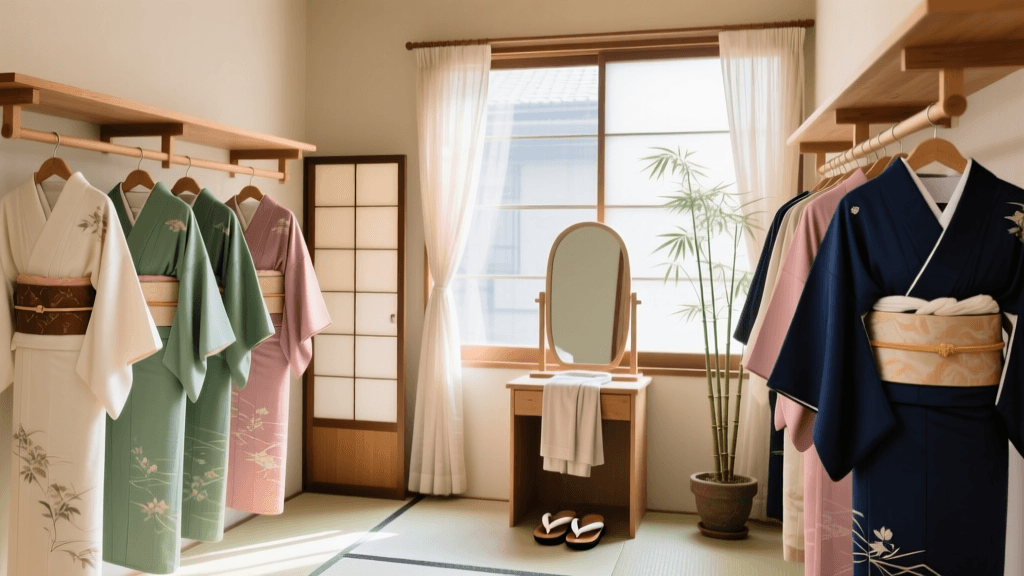
The physical layout of your shop directly impacts operational efficiency. The process of dressing a client, known as kitsuke, requires ample space and specific environmental controls.Dressing Station Requirements
- Dimensions: Each dressing station must be a minimum of 2.5 meters by 2.5 meters. The dresser needs to walk 360 degrees around the client to tie the obi (sash) securely.
- Mirrors: Install full-length, shatterproof mirrors that extend to the floor. Clients need to see the hemline and the obi knot from the back.
- Lighting: Use 5000K daylight LED bulbs. Warm lighting (2700K) will distort the colors of the silk and lead to client dissatisfaction when they step outside or view photos.
- Climate Control: Kimono layering is incredibly warm. Maintain the dressing room at a brisk 18°C - 20°C (64°F - 68°F) to prevent clients from sweating, which can damage the silk undergarments.
Phase 4: Operations, Kitsuke, and Staffing
The most significant bottleneck in a kimono rental shop is the dressing process. A professional kitsukeshi (kimono dresser) takes 20 to 30 minutes to dress a single client in a full silk kimono, and 10 to 15 minutes for a casual yukata.Booking and Time Management
Implement a strict digital booking system. Allocate 45-minute slots per client to account for consultation, dressing, and final adjustments. If you have two dressers on staff, you can process a maximum of four clients per hour. Overbooking leads to rushed dressing, which results in uncomfortable clients and sloppy obi knots that may unravel during the day.Staffing Needs
Hire staff who have formal certification from recognized institutions, such as the Soubien Kimono Academy or local Japanese cultural centers. A poorly tied kimono will restrict the client's breathing and cause physical discomfort within an hour.Phase 5: Garment Care and Maintenance
Maintaining a fleet of delicate silk garments requires a rigorous cleaning protocol. Traditional kimono are not meant to be machine washed or standard dry-cleaned, as the chemicals can strip the silk of its natural luster and cause the dyes to bleed.The Cleaning Protocol
- Post-Rental Airing: After a rental, hang the kimono and undergarments (nagajuban) on specialized wide hangers in a well-ventilated, shaded area for 24 hours to dissipate moisture and odors.
- Spot Cleaning: Use specialized silk stain removers for minor makeup or food stains on the collar.
- Maruarai (Traditional Washing): Partner with a specialist cleaner who practices maruarai. This involves taking the kimono apart at the seams, washing the individual fabric panels in water and natural soap, stretching them on wooden boards (shinshi) to dry, and re-sewing them. While expensive ($100+ per garment), it is necessary for deep stains and should be done seasonally.
Navigating Cultural Etiquette and Respect
Running a kimono rental shop is not merely a fashion business; it is an act of cultural ambassadorship. As noted by the Metropolitan Museum of Art's Heilbrunn Timeline of Art History, the kimono is a profound reflection of Japanese aesthetics, social status, and seasonal awareness.Enforcing the Rules of Wear
Your staff must strictly enforce the foundational rules of kimono etiquette to maintain cultural integrity:- Left Over Right: The left side of the collar must always cross over the right side. The reverse (right over left) is strictly reserved for dressing the deceased for burial. This is a non-negotiable rule.
- Seasonality: Do not rent out cherry blossom (sakura) motifs in autumn, or maple leaf (momiji) motifs in spring. Japanese fashion is deeply tied to the micro-seasons.
- Footwear: Ensure clients wear tabi (split-toe socks) with zori or geta sandals. Bare feet in traditional footwear are considered unhygienic and disrespectful.