Destination Kimono Weddings in Kyoto: A Complete Planning Guide
The Allure of a Traditional Kyoto Wedding
For couples seeking a wedding steeped in history, artistry, and profound cultural symbolism, a destination kimono wedding in Kyoto offers an unparalleled experience. Unlike Western bridal traditions that prioritize the silhouette of a single gown, the Japanese bridal ensemble is a masterclass in layering, textile art, and seasonal awareness. Planning a traditional wedding—known as a shinzen shiki (Shinto ceremony) or a traditional Buddhist temple wedding—requires meticulous attention to detail, from selecting the appropriate silk garments to coordinating the intricate dressing process known as kitsuke. This comprehensive guide provides actionable logistics, cost breakdowns, and etiquette rules to ensure your special day is as seamless as it is breathtaking.
Decoding Bridal Attire: Shiromuku vs. Irouchikake
The foundation of a traditional Japanese wedding wardrobe centers on two primary garments, each carrying distinct historical and symbolic weight. Understanding the difference is crucial for planning your ceremony and reception.
The Shiromuku (Pure White Kimono)
The shiromuku is the most formal bridal attire, worn exclusively during the actual wedding ceremony. Entirely white—from the outer kimono to the inner linings, obi, and accessories—it symbolizes the bride's purity and her willingness to be 'dyed' in the colors of her new family. A complete shiromuku ensemble includes the kake-obi (outer sash), shigoki (decorative silk band), and the tsunokakushi or wataboshi (traditional bridal hoods). As noted by the Victoria and Albert Museum's comprehensive guide to the kimono, the garment is not merely clothing but a canvas of cultural symbolism, with white historically representing both purity and the sun in Shinto traditions.
The Irouchikake (Colorful Padded Hem Kimono)
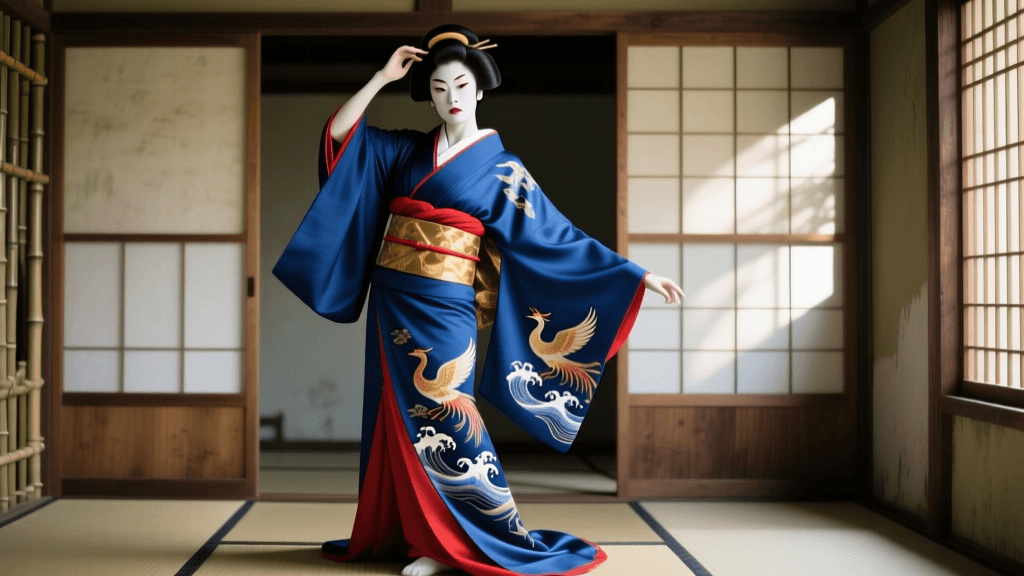
Following the ceremony, the bride typically changes into an irochikake for the reception and photo sessions. This garment features vibrant colors, often adorned with auspicious motifs like cranes, pine trees, or cherry blossoms, created through intricate yuzen dyeing or gold-leaf application. The hem is heavily padded with cotton wadding, allowing it to trail elegantly on the floor without the need to be tucked up, creating a dramatic and regal silhouette.
The Economics of Elegance: Rental vs. Purchase
Acquiring a bridal kimono is a significant investment. Couples must decide between renting locally in Kyoto, purchasing a vintage piece, or importing a modern garment from their home country. Below is a comparative breakdown to help you budget effectively.
| Acquisition Method | Estimated Cost (USD) | Lead Time | Pros | Cons |
|---|---|---|---|---|
| Local Kyoto Rental Package | $1,500 - $3,500 | 6 - 12 Months | Includes dressing, hair styling, and accessories; no storage or transport hassles. | Limited sizing (best for heights 155cm-170cm); strict return timelines. |
| Purchase Vintage (Antique Tansu) | $400 - $1,800 | 3 - 6 Months | Unique, one-of-a-kind textiles; significantly cheaper; can be kept as an heirloom. | Requires separate purchase of accessories; may need professional cleaning; fragile silk. |
| Bring from Home Country | $2,000 - $8,000+ | 9 - 18 Months | Custom-fitted to your exact measurements; ample time for fittings and alterations. | High shipping/customs risks; must hire a local Kyoto dresser familiar with foreign-bought sets. |
Sizing Note: Traditional kimonos are generally 'free-size' but require the dresser to fold the excess fabric at the waist (the ohashori). Standard rental shops in Kyoto cater to heights between 155 cm and 170 cm (approx. 5'1" to 5'7"). Brides outside this range should strongly consider purchasing a vintage kimono or commissioning a custom piece to ensure proper proportions.
The Kitsuke Process: Timing and Logistics
The art of kimono dressing, or kitsuke, is a rigorous process that transforms the bride into a living sculpture. You cannot simply 'put on' a shiromuku; it must be constructed onto the body.
- Duration: Expect the dressing process to take between 1.5 to 2.5 hours. Hair and makeup will require an additional 1.5 hours.
- The Dresser (Kitsukeshi): You must hire a certified professional. If renting locally, this is usually included. If you bring your own kimono, expect to pay a freelance dresser between $200 and $400 for on-site hotel or venue dressing.
- Undergarments: The foundation relies on the hadajuban (skin layer) and nagajuban (inner kimono), padded with towels to create a cylindrical silhouette, which is the traditional ideal of beauty.
- Mobility: Once dressed, your stride will be restricted to about 12 inches. You will not be able to sit in standard chairs; backless stools or traditional floor cushions (zabuton) are required.
Venue Selection: Shrines, Temples, and Machiya
Kyoto offers a diverse array of venues, each dictating a slightly different flow for your wedding day. When consulting the Japan National Tourism Organization (JNTO) for venue directories and travel logistics, consider how the physical space interacts with the kimono.
Shinto Shrines (Jinja)
Shrines like Kamigamo or Shimogamo offer the most authentic shinzen shiki. The ceremony involves the san-san-kudo (three-three-nine times) sake-sharing ritual. Logistics: Shrines often feature gravel paths and stairs. Brides must wear traditional zori sandals with tabi socks. Gravel is notoriously difficult to walk on in zori, so many brides opt for a kago (palanquin) or arrange for venue staff to assist them over uneven ground.
Buddhist Temples (Otera)
Temples provide a serene, incense-filled atmosphere. However, many historic temples have strict rules regarding photography and require guests to remove footwear before entering the main halls. Ensure your tabi socks are pristine white and free of snags, as they will be highly visible.
Traditional Machiya Townhouses
For a more intimate, private celebration, renting a restored machiya is highly popular. These wooden townhouses offer stunning interior gardens and tatami rooms. Warning: Machiya spaces are often compact with narrow staircases. The heavy, trailing hem of an irochikake can be a tripping hazard in these confined spaces, so a shorter hikizuri style or careful bustle management by your dresser is advised.
Guest Etiquette: What Attendees Should Wear
If you are inviting guests to your destination wedding, providing them with a kimono dress code guide is essential to avoid cultural faux pas.
- Married Women: Should wear a tomesode (black with crests for immediate family, or colored for friends) or a houmongi (visiting kimono with continuous patterns across the seams).
- Unmarried Women: May wear a furisode (long-sleeved kimono), which signifies youth and availability. However, they should avoid white, as it is strictly reserved for the bride.
- Men: Typically wear a dark, formal kimono with a haori jacket and hakama trousers, adorned with family crests (kamon). Western morning suits are also perfectly acceptable and common for male guests.
- Taboo Motifs: Guests should avoid wearing garments featuring the exact same auspicious motifs as the bride (like the crane or phoenix) to avoid overshadowing her.
Seasonal Considerations and Travel Logistics
Kyoto's climate is extreme, and because traditional silk kimono offer little breathability or insulation, timing your wedding is critical.
Summer (June - August)
Kyoto summers are notoriously hot and humid, with temperatures frequently exceeding 35°C (95°F). Wearing a fully lined silk shiromuku in July is a recipe for heat exhaustion. Solution: Opt for a ro or sha (woven gauze) summer kimono, which is semi-transparent and highly breathable. Ensure your venue has robust, modern air conditioning, and keep the bride hydrated with straws to avoid smudging lipstick.
Winter (December - February)
Winter weddings are visually stunning, especially if snow graces the temple gardens, but traditional wooden venues are drafty and lack central heating. Solution: Brides can wear specialized thermal undergarments beneath the hadajuban and use disposable body warmers (kairo) strategically placed on the lower back and abdomen. A luxurious fur or velvet michiyuki (overcoat) can be worn while moving between outdoor photo locations.
Preserving the Silk
If you purchase a vintage kimono to wear and keep, proper care during your travels is paramount. The Metropolitan Museum of Art's Heilbrunn Timeline of Art History highlights the intricate weaving and dyeing techniques of Japanese silk, which are highly susceptible to moisture and friction. Never fold a silk kimono tightly in a suitcase; instead, roll it gently around acid-free tissue paper and store it in a breathable cotton tatoushi (kimono wrapping paper) to prevent permanent creasing and dye transfer.
Conclusion
A destination kimono wedding in Kyoto is a profound commitment not just to your partner, but to the preservation of an ancient, living art form. By understanding the distinctions between the shiromuku and irochikake, budgeting accurately for rentals versus vintage purchases, and respecting the logistical realities of kitsuke and venue navigation, you can orchestrate a flawless celebration. Embrace the meticulous planning process, and you will be rewarded with a wedding day that is as culturally rich and enduring as the silk garments you wear.