Miao Embroidery and Silver: A Collector's Guizhou Guide
The Living Textiles of Guizhou: Understanding Miao Folk Dress
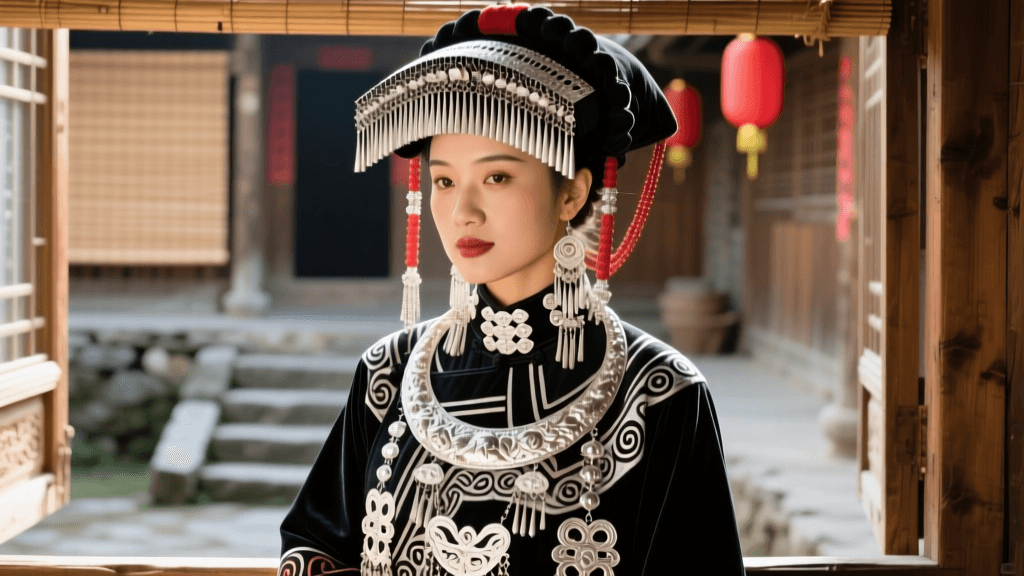
The mountainous province of Guizhou in southwestern China is home to the Miao people (closely related to the Hmong diaspora), whose sartorial traditions represent some of the most intricate and symbolically dense textile arts in Asia. For collectors, anthropologists, and fashion historians, Miao regional folk dress is not merely a visual spectacle; it is a wearable archive of mythology, migration, and clan identity. Unlike the standardized silhouettes of Han Chinese garments like the qipao or hanfu, Miao dress is fiercely localized, varying dramatically from one valley to the next.
Acquiring authentic Miao garments and silverwork requires a nuanced understanding of regional variations, material authenticity, and market dynamics. As noted in cultural reporting by Sixth Tone, the push to commercialize these crafts has flooded markets with machine-made replicas, making an educated eye essential for serious collectors. This guide provides actionable advice on sourcing, authenticating, and commissioning traditional Miao provincial dress.
Regional Variations: Xijiang, Danzhai, and Rongjiang
The Miao are not a monolith, and their dress reflects deep historical schisms and geographic isolation. When sourcing vintage pieces or commissioning new ones, you must first identify the specific sub-branch and region. The three most prominent and collectible styles originate from Xijiang, Danzhai, and Rongjiang.
| Region / Sub-Branch | Key Garment Features | Silverwork Style | Collector Market Value |
|---|---|---|---|
| Xijiang (Long Skirt Miao) | Heavy, dark indigo pleated skirts; elaborate shoulder capes with dragon and buffalo motifs. | Massive, multi-tiered silver horn crowns and heavy chest lockets. | High ($800 - $3,000+ for vintage sets) |
| Danzhai (Short Skirt Miao) | Ultra-short pleated skirts (often under 20cm); vibrant silk aprons with geometric bird motifs. | Delicate hairpins, silver combs, and smaller chest plates. | Medium ($300 - $1,200) |
| Rongjiang (Baisha / Hundred-Bird) | The famous 'Bainiao Yi' (Hundred-Bird Coat); woven wool and cotton with white bird feather accents. | Minimalist silver; focus is heavily on textile weaving and featherwork. | Rare / Museum Grade ($2,000 - $5,000+) |
When traveling through Guizhou, tourists often encounter the highly commercialized Xijiang Miao Village. While convenient, serious collectors should venture to smaller, less developed markets in Kaili, Danzhai, and Rongjiang to find authentic, unaltered vintage pieces and connect directly with master artisans.
Sourcing Authentic Miao Silverwork: A Buyer's Guide
Silver is the soul of Miao festival dress. A full festival ensemble for a Xijiang woman can include over 10 kilograms of silver. For collectors and buyers looking to acquire or commission silverwork, understanding the metallurgy and pricing structure is critical.
Measurements, Weights, and Custom Commissions
If you are commissioning a bespoke piece, such as a silver horn crown (yin jiao) or a dragon-head hairpin, you will negotiate based on weight and craftsmanship.
- Silver Purity: Traditional Miao silversmiths historically used whatever silver was available, often melting down coins. Today, authentic commissions use Ag999 (99.9% pure silver) or Ag925 (sterling silver). Ag999 is softer and preferred for intricate wirework, while Ag925 is used for structural clasps.
- Weight Expectations: A standard silver horn crown weighs between 400g and 800g. Heavy chest lockets (ya xian) range from 150g to 300g. Delicate butterfly hairpins weigh 15g to 30g each.
- Pricing Structure: The cost is calculated as the daily market price of raw silver plus a labor fee. As of recent market rates, raw silver costs roughly 5 to 7 RMB per gram. The artisan's labor fee ranges from 15 to 35 RMB per gram, depending on the complexity of the filigree and repousse work.
- Total Commission Cost: Expect to pay between 20 and 42 RMB per finished gram. A 500g silver horn crown will cost approximately 10,000 to 21,000 RMB ($1,400 to $2,900 USD). Always request a certificate of purity and a weight receipt upon completion.
Collecting Vintage vs. Modern Miao Embroidery
Miao embroidery (xiu) is renowned for its complex stitch work, particularly the 'hidden knot' stitch and couching techniques that create a raised, three-dimensional surface. Distinguishing between genuine vintage textiles and modern tourist-trade reproductions is the most challenging aspect of collecting provincial folk dress.
Authentication Tips and Pricing Guide
According to regional cultural surveys highlighted by China Daily, the influx of tourism has led to the rise of 'Miao embroidery villages' where machine-stitched motifs are passed off as handcrafted heritage. Use the following checklist to authenticate vintage pieces:
- The Fabric Base: Vintage pieces (pre-1980s) are embroidered on hand-spun, hand-woven cotton or hemp. The weave will be slightly irregular. Modern pieces often use factory-milled cotton or synthetic blends, which feel unnaturally smooth.
- The Indigo Dye: Authentic traditional indigo dyeing involves dozens of dips in fermented vats, resulting in a deep, complex charcoal-blue that may show slight fading or mottling. Modern chemical dyes produce a flat, uniform, and harsh navy blue that often bleeds onto the embroidery threads.
- The Thread: Vintage embroidery uses hand-spun silk or cotton threads, which have a matte or soft luster. Modern tourist pieces use brightly colored, high-sheen synthetic rayon threads.
- The Reverse Side: Turn the garment inside out. True Miao embroidery, especially the complex seed stitch, is often nearly as neat on the back as on the front, with minimal loose threads. Machine embroidery will show dense, chaotic bobbin thread webbing on the reverse.
Market Pricing for Textiles:
- Modern Tourist Jackets: 150 - 400 RMB ($20 - $55 USD). Good for casual wear, but holds no collector value.
- Modern Hand-Embroidered Festival Jackets: 1,500 - 4,000 RMB ($200 - $550 USD). Takes artisans 2 to 6 months to complete.
- Vintage Pleated Skirts (1960s-1980s): 3,000 - 8,000 RMB ($400 - $1,100 USD). Highly sought after for their natural indigo patina and hand-woven hemp bases.
- Antique 'Hundred-Bird' Coats: 20,000+ RMB ($2,800+ USD). Extremely rare; require export permits if purchased in China.
Timing Your Visit: Festivals and Market Days
To see these garments in their proper context and to find the best selection of artisan silver and textiles, timing your visit to Guizhou around traditional festivals is essential. The tourism infrastructure in Guizhou has expanded significantly, as documented in travel analyses by The New York Times, but the authentic cultural heartbeat remains tied to the lunar calendar.
Key Festivals for Collectors
- The Sisters' Meal Festival (Zimei Fan Jie): Held on the 15th day of the third lunar month (usually April or May) in Taijiang and Danzhai counties. This is the premier event for viewing the intricate silver crowns and short-skirt embroidery of the Danzhai and Xijiang branches. Artisans set up temporary stalls selling fresh silverwork and embroidered aprons.
- The Lusheng Festival: Occurring in the ninth lunar month (October/November), this harvest festival features the lusheng (a traditional pipe instrument). It is an excellent time to source heavy silver chest lockets and woven wool garments, as the cooler weather prompts the wearing of layered, heavier folk dress.
- Weekly Market Days: Skip the permanent tourist shops in Xijiang. Instead, visit the rotating rural markets. Kaili hosts a massive Sunday market, while smaller towns like Shiqiao (famous for traditional paper making and indigo) have markets every six days. Arrive by 7:00 AM to negotiate directly with local women selling inherited, unworn vintage textiles.
Preservation and Ethical Sourcing
When collecting regional folk dress, ethical considerations are paramount. The Miao textile tradition is a living, breathing economy for many rural women. Whenever possible, purchase directly from artisan cooperatives or the embroiderers themselves rather than middlemen in Beijing or Shanghai. This ensures that the capital remains within the community, incentivizing the younger generation to learn the painstaking techniques of indigo dyeing, hand-weaving, and hidden-knot embroidery. By understanding the regional nuances, material realities, and market values of Guizhou's provincial dress, collectors can build a wardrobe and archive that honors the profound heritage of the Miao people.