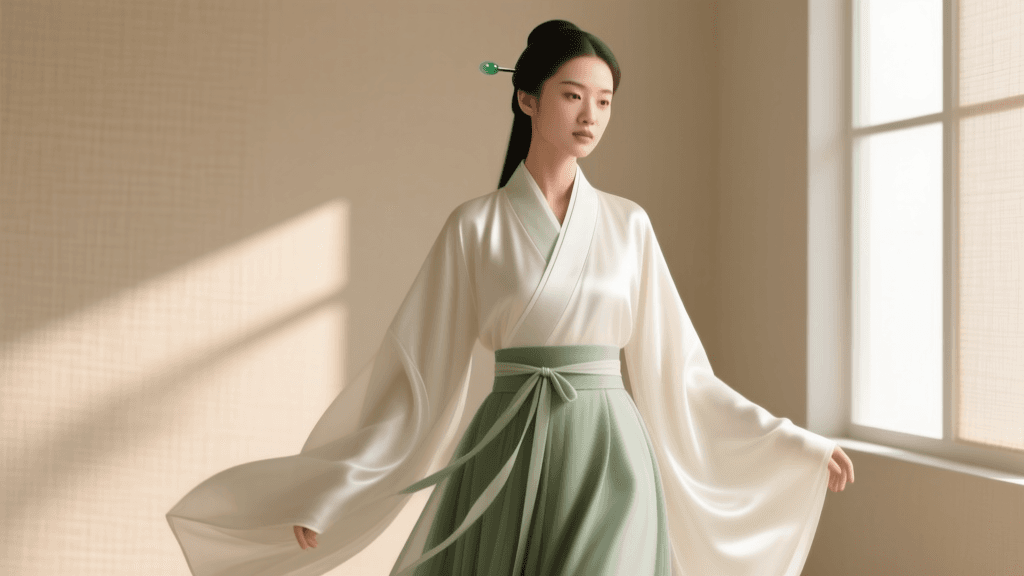
Kimono Accessories Guide: Matching Obi, Zori, and Kanzashi
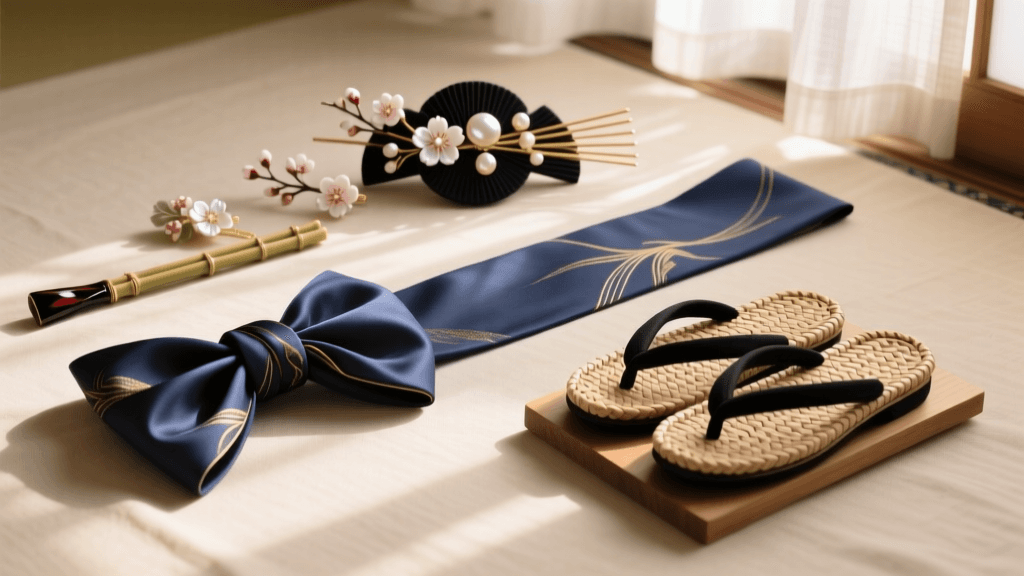
The Art of Kitsuke: Beyond the Kimono
The art of wearing a kimono, known as kitsuke, extends far beyond the main garment itself. A kimono is essentially a blank canvas; it is the accessories that dictate the formality, seasonality, and personal expression of the wearer. For collectors, enthusiasts, and those attending traditional events, understanding the intricate ecosystem of kimono accessories is paramount. From the structural elegance of the obi to the subtle seasonal motifs of hair ornaments, every piece serves a distinct aesthetic and functional purpose.
According to the Victoria and Albert Museum, the evolution of kimono accessories, particularly the obi, transformed the garment from a simple draped robe into a highly structured and symbolic fashion statement. This guide will walk you through the essential accessories required to complete a kimono ensemble, offering practical advice on selection, matching, and care.
The Obi: The Focal Point of the Ensemble
The obi is the wide sash that secures the kimono. It is often the most expensive and visually striking component of the outfit. Choosing the correct obi depends entirely on the formality of the kimono and the age or marital status of the wearer.
Types of Obi and Their Uses
- Maru Obi: The most formal and historically significant obi, measuring roughly 68 cm in width and over 400 cm in length. It is fully brocaded on both sides, making it incredibly heavy. Today, it is almost exclusively worn by brides or geisha.
- Fukuro Obi: The modern standard for formal wear. It measures about 30 cm wide and 420 to 450 cm long. It is brocaded on the front but lined with plain silk on the back, reducing weight while maintaining a luxurious appearance. It is paired with formal kimono like the kurotomesode or homongi.
- Nagoya Obi: Invented in the 1920s for ease of dressing, the Nagoya obi is pre-folded and sewn to be roughly 30 cm wide and 360 cm long. It is the workhorse of the kimono wardrobe, suitable for semi-formal and casual occasions, and is typically tied in the simple otaiko musubi (drum bow).
- Hanhaba Obi: A narrow, casual obi measuring about 15 cm wide. It requires no special padding or cords to tie and is worn exclusively with casual cotton kimono or summer yukata.
Seasonality in Obi Textiles
Just like the kimono, the obi must reflect the season. In the height of summer (July and August), a ro or sha (woven gauze) obi is required for breathability and visual coolness. In winter, heavy silk brocades with motifs like pine needles or camellias are preferred.
Footwear: Navigating Zori, Geta, and Tabi
Footwear in traditional Japanese dress is highly specialized. The choice of shoe impacts both the silhouette and the appropriateness of the outfit.
Selecting the Right Zori and Hanao
Zori are flat, thonged sandals that serve as the primary footwear for all formal and semi-formal kimono. They are constructed from a base (historically straw, now often vinyl, leather, or cork) and a thong called the hanao.
- Formal Zori: For formal events, women wear zori with bases covered in gold or silver vinyl, or rich brocade fabrics. The hanao should be white or a color that perfectly matches the obi.
- Casual Zori: For everyday wear, zori with enamel, leather, or fabric bases are appropriate. The hanao can be contrasting colors or feature playful patterns.
- Geta: These are elevated wooden sandals worn primarily with casual cotton yukata in the summer. They produce a distinct clicking sound when walking and are generally considered too informal for silk kimono, though low, lacquered geta can sometimes be worn with tsumugi (woven silk) in rainy weather.
Tabi Socks: Sizing and Etiquette
Tabi are split-toe socks designed to accommodate the hanao of the zori or geta. They fasten at the ankle using metal hooks called kohaze. Formal tabi feature four or five kohaze and are made of crisp, white cotton or silk. Black or navy tabi are traditionally worn by men, while colored or patterned tabi are reserved for casual wear or specific fashion-forward styling. When purchasing tabi, measure your foot from heel to toe; Japanese sizing typically runs in centimeters (e.g., 23.0 cm, 23.5 cm), and tabi should fit snugly without wrinkling at the ankle.
The Finishing Touches: Obiage, Obijime, and Kanzashi
As highlighted by cultural resources like Japan Guide, the complete kimono ensemble requires several small but vital accessories to secure the garment and add polished details.
Obiage and Obijime
The obiage is a rectangular piece of silk crepe used to cover the obimakura (the small pillow used to give the obi bow its volume). It peeks out just above the obi, adding a pop of color. The obijime is a braided silk cord tied over the center of the obi to secure the knot. Together, the obiage and obijime act as the 'jewelry' of the kimono, and their colors should harmonize with, but not exactly match, the primary colors of the kimono and obi.
Kanzashi: Seasonal Hair Ornaments
Kanzashi are traditional hair ornaments worn by geisha, maiko, and women dressing in formal kimono for events like weddings or tea ceremonies. They are strictly governed by the lunar calendar and seasonal changes:
- January: Pine, plum blossoms, and bamboo (symbols of the New Year).
- April: Cherry blossoms (sakura).
- July: Fans, fireworks, or morning glories to evoke coolness.
- November: Maple leaves and ginkgo.
For modern wearers, subtle, single-motif kanzashi made of lacquer, tortoiseshell, or silk flowers are preferred over the elaborate, dangling birabira styles worn by maiko.
Formality and Accessory Matching Chart
Use this quick reference table to ensure your accessories align with the formality of your kimono.
| Kimono Type | Formality | Recommended Obi | Footwear & Tabi | Hair & Small Accessories |
|---|---|---|---|---|
| Kurotomesode | Ultra-Formal (Married) | Gold/Silver Fukuro Obi | Gold/Silver Zori, White 5-kohaze Tabi | Subtle Tortoiseshell Kanzashi, Gold Obijime |
| Furisode | Ultra-Formal (Unmarried) | Brocade Fukuro Obi | Brocade Zori, White Tabi | Elaborate Silk Flower Kanzashi, Bright Obiage |
| Homongi / Tsukesage | Formal / Semi-Formal | Fukuro or Nagoya Obi | Leather/Vinyl Zori, White Tabi | Seasonal Lacquer Kanzashi, Coordinated Obijime |
| Komon | Casual / Everyday | Nagoya Obi | Enamel/Fabric Zori, Colored Tabi optional | Simple Hair Clips, Playful Obiage |
| Yukata | Informal / Summer | Hanhaba Obi | Wooden Geta, Barefoot or Casual Tabi | Plastic/Acrylic Summer Hairpins |
Budgeting and Sourcing Accessories
Building a collection of kimono accessories can range from highly affordable to exceptionally expensive. Vintage markets in Japan, such as the Oedo Antique Market in Tokyo or local temple flea markets in Kyoto, are treasure troves for high-quality silk obi, obijime, and hair ornaments at a fraction of their original retail cost. A vintage Nagoya obi in good condition can be purchased for $30 to $80, whereas a brand-new, hand-woven Nishijin-ori Fukuro obi can easily exceed $1,000. Zori and tabi are best purchased new or in excellent vintage condition, as the adhesives and materials in older footwear can degrade, leading to broken hanao or crumbling soles.
Care, Maintenance, and Storage
Proper care ensures the longevity of your accessories. Silk obi should be stored flat or loosely rolled with acid-free tissue paper to prevent permanent creasing. Never hang a heavy Fukuro or Maru obi, as the weight will distort the weave. Zori should be kept in a cool, dry place away from direct sunlight, which can yellow vinyl and fade brocade. If the hanao of your zori become loose or frayed, they can be replaced by specialized footwear repair shops or by DIY enthusiasts using traditional hanao threading techniques. By respecting the materials and the deep cultural rules governing these items, you ensure that the art of kitsuke continues to thrive in the modern era.