Building a Hanfu Capsule Wardrobe: Core Essentials Guide
The Rise of the Modern Hanfu Capsule Wardrobe
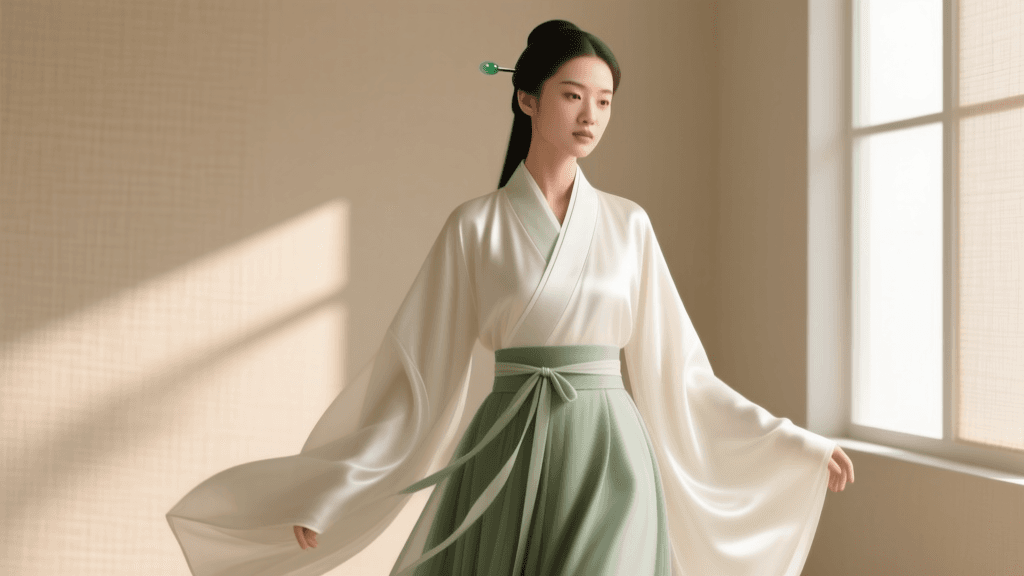
The Hanfu movement has evolved dramatically over the past decade, transitioning from niche historical reenactment and photography cosplay into a vibrant, living component of modern daily fashion. For contemporary enthusiasts, the goal is no longer just to wear a costume for a weekend event, but to integrate traditional Chinese clothing into a functional, everyday lifestyle. This is where the concept of a Hanfu capsule wardrobe becomes essential. By carefully selecting versatile, high-quality pieces that can be mixed, matched, and layered, you can create a sustainable wardrobe that honors historical silhouettes while accommodating modern schedules, climates, and aesthetics.
Building a capsule collection requires an understanding of historical garment structures, fabric behaviors, and the art of cross-era styling. Instead of purchasing highly ornate, single-use ceremonial gowns, a capsule approach focuses on foundational garments like the Mamianqun, Beizi, and Aoqun. These pieces serve as the backbone of a modular wardrobe, allowing you to transition seamlessly from a professional office environment to a casual weekend outing, or from the heat of summer to the chill of winter.
Core Hanfu Silhouettes for a Capsule Collection
To build a functional capsule, you must invest in silhouettes that offer maximum versatility. The following three garment types are the undisputed pillars of a modern Hanfu wardrobe.
1. The Mamianqun (Horse-Face Skirt)
Originating in the Song and Ming dynasties, the Mamianqun is arguably the most adaptable piece in the entire Hanfu lexicon. Characterized by its flat front and back panels (the "horse faces") and deeply pleated sides, this skirt is a masterclass in structural elegance. For a capsule wardrobe, opt for two Mamianquns: one in a solid, neutral color like navy, charcoal, or bronze, and one featuring a subtle, tone-on-tone woven pattern (zhijin). Because the waistband is typically white or unadorned and meant to be hidden, the Mamianqun pairs flawlessly with modern tucked-in blouses, knit turtlenecks, and traditional jackets.
2. The Beizi (Long Outer Jacket)
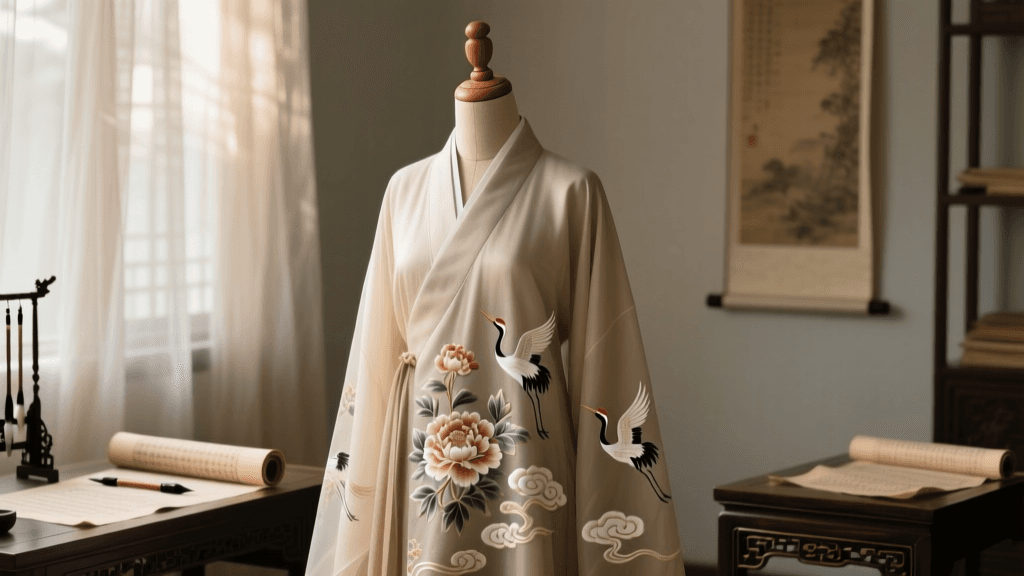
The Beizi, popularized during the Song dynasty, is an open-front outer jacket with parallel collars and side slits that reach the hip or thigh. It is the ultimate layering piece. A lightweight linen or cotton Beizi can serve as a summer duster, providing sun protection and modesty over a simple camisole and skirt. In cooler months, a heavier, lined brocade Beizi functions similarly to a modern cardigan or light trench coat. Its straight, relaxed cut flatters all body types and provides a sleek, vertical line that elongates the figure.
3. The Ming Dynasty Aoqun (Jacket and Skirt)
While the Tang dynasty chest-high Ruqun is visually stunning, it can be impractical for daily modern wear and challenging to fit correctly. The Ming dynasty Aoqun, featuring a cross-collar right lapel (jiaoling youren) or a standing collar (liling) jacket paired with a skirt, is far more forgiving. The Ao (jacket) is typically tailored with a slight A-line flare and features distinctive pipa-shaped or curved sleeves. A well-fitted, solid-colored Ao can easily be worn with modern wide-leg trousers or denim when you want to blend traditional and contemporary aesthetics.
Fabric Selection and Historical Textile Context
The success of a capsule wardrobe hinges on fabric choice. Historically, Chinese textile arts were heavily reliant on the mastery of silk. According to the UNESCO Intangible Cultural Heritage registry, traditional sericulture and silk craftsmanship have long been the backbone of Chinese textile arts, influencing not just the drape and sheen of the garments, but their cultural significance. However, pure silk is expensive and requires meticulous care, making it less ideal for a rugged, everyday capsule.
For daily wear, look for high-quality linen, raw cotton, and modern silk-cotton blends. Linen offers excellent breathability for summer Beizi and tops, developing a beautiful, historically accurate drape over time. For winter, wool blends and heavy cotton brocades provide necessary warmth without the prohibitive cost of heavy silk damasks. As noted by The Metropolitan Museum of Art's Heilbrunn Timeline of Art History, the evolution of Chinese dress during the Ming and Qing dynasties showcased a profound mastery of structural tailoring and textile application, where the weight and weave of the fabric dictated the garment's movement and form.
Data Table: The 10-Piece Hanfu Capsule Breakdown
Below is a strategic blueprint for a 10-piece Hanfu capsule wardrobe designed for year-round versatility. This collection allows for dozens of unique outfits while maintaining a cohesive aesthetic.
| Garment Type | Quantity | Best Season | Est. Cost (USD) | Styling Role |
|---|---|---|---|---|
| Mamianqun (Solid Neutral) | 1 | All Year | $45 - $80 | Foundation Bottom |
| Mamianqun (Subtle Pattern) | 1 | All Year | $60 - $120 | Statement Bottom |
| Short Ao (Cross-Collar) | 1 | Spring/Autumn | $40 - $75 | Primary Top |
| Short Ao (Standing Collar) | 1 | Autumn/Winter | $50 - $90 | Formal Top / Layering |
| Lightweight Beizi (Linen) | 1 | Summer | $35 - $60 | Summer Duster / Sun Protection |
| Heavy Beizi (Wool/Brocade) | 1 | Winter | $70 - $130 | Outerwear / Coat Alternative |
| Shan (Lightweight Blouse) | 2 | Summer/Spring | $30 - $50 each | Base Layer / Inner Top |
| Pibo (Silk Shawl/Stole) | 1 | Spring/Autumn | $25 - $45 | Accessory / Formal Accent |
| Modern Hanfu Belt/Sash | 1 | All Year | $15 - $30 | Waist Definition |
Note: Costs are estimates based on reputable mid-tier Taobao and independent international Hanfu retailers. Handmade or authentic silk garments will significantly increase the price.
Sizing, Measurements, and Practical Fit
Unlike Western fashion, which relies on standardized S/M/L sizing and darted, three-dimensional pattern cutting, traditional Hanfu utilizes a flat-pattern cutting system. Garments are constructed from rectangular panels of fabric, meaning the fit is largely determined by the wearer's tie systems and the natural drape of the textile over the body.
To ensure your capsule pieces fit correctly, you must abandon standard sizing charts and focus on precise garment measurements. The critical metrics you need to know are:
- Bust and Shoulder Span: For cross-collar tops (Ao/Shan), the garment's flat chest width must be at least 1.5 to 2 times your actual bust measurement to allow for the proper overlap of the right lapel and comfortable movement.
- Skirt Length: Measure from your natural waist (or where you intend to tie the Mamianqun) down to your ankle bone. A standard Mamianqun is usually between 95cm and 105cm long. If it is too long, you will trip; if it is too short, the pleats will lose their structural integrity.
- Sleeve Length: Hanfu sleeves are measured from the center back of the neck, across the shoulder, and down to the wrist or fingertips. Decide whether you prefer practical narrow sleeves (zhixiu) for daily office wear, or elegant, wider pipa sleeves for weekend outings.
Mixing Hanfu with Modern Wardrobe Staples
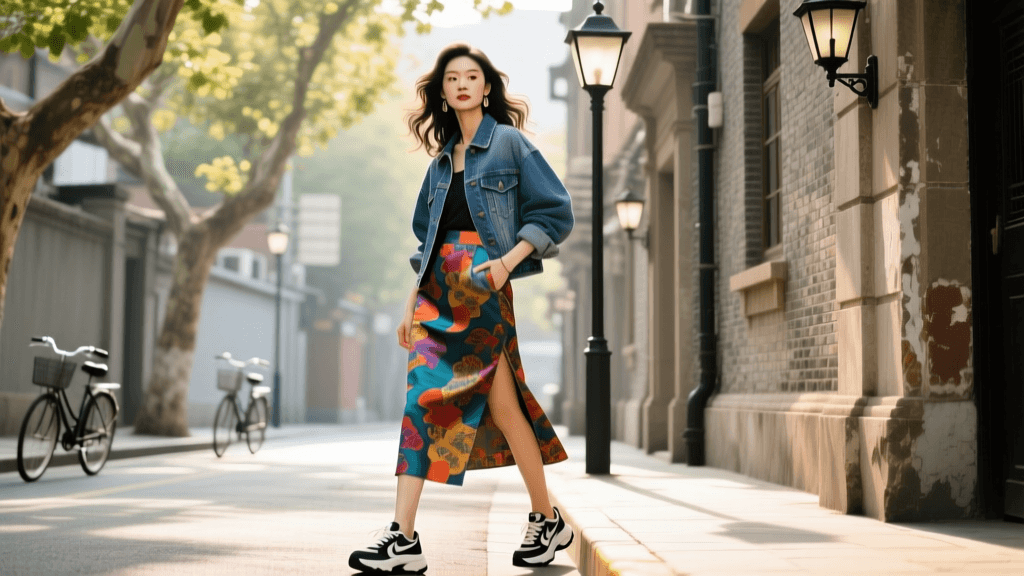
The true test of a capsule wardrobe is its interoperability with the clothes you already own. The "New Chinese Style" (Xin Zhong Shi) movement thrives on this exact principle. A solid-colored Mamianqun looks incredibly chic when paired with a modern, fitted cashmere turtleneck and ankle boots. Similarly, a Song dynasty Beizi can be thrown over a plain white t-shirt and high-waisted denim jeans, functioning as an elegant, flowing alternative to a standard blazer.
By treating your Hanfu pieces as modular components rather than rigid historical artifacts, you breathe new life into the garments. You are not just preserving a museum piece; you are participating in an ongoing sartorial dialogue that bridges centuries of Asian tradition with the practical demands of the 21st century.
Garment Care and Longevity
To protect your investment, proper care is paramount. Avoid machine washing structured pieces like the Mamianqun, as the agitation can destroy the crispness of the pleats and damage delicate woven motifs. Instead, spot clean when necessary and use a high-quality garment steamer to remove wrinkles and refresh the fibers. Store your skirts hanging by the waistband, or loosely rolled to prevent permanent crease lines across the flat panels. With mindful maintenance, your Hanfu capsule wardrobe will remain a versatile, beautiful staple of your daily life for years to come.