Douyin Street Style: How To Wear The Mamianqun Skirt
The Douyin Revolution: Traditional Hanfu Meets Streetwear
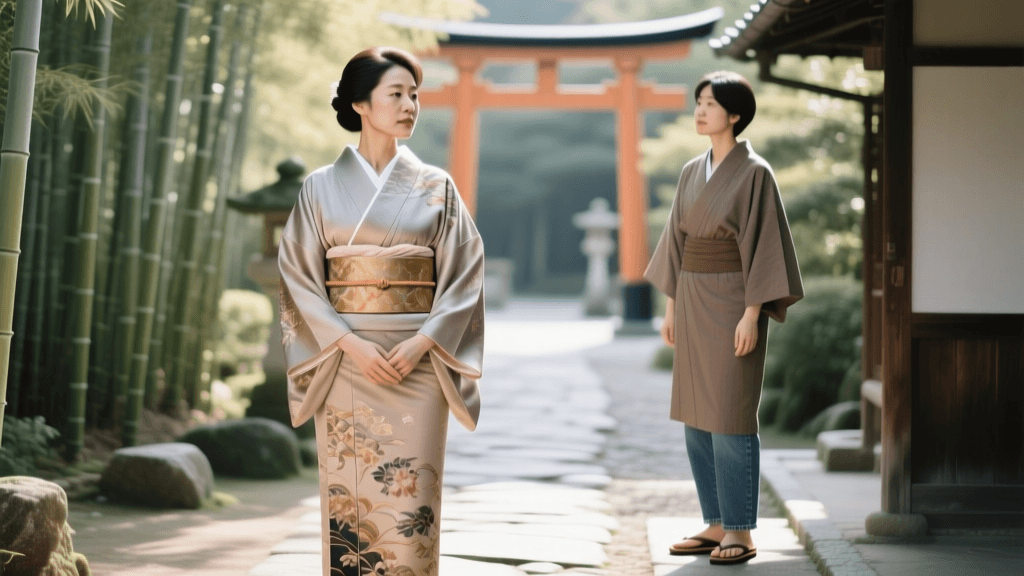
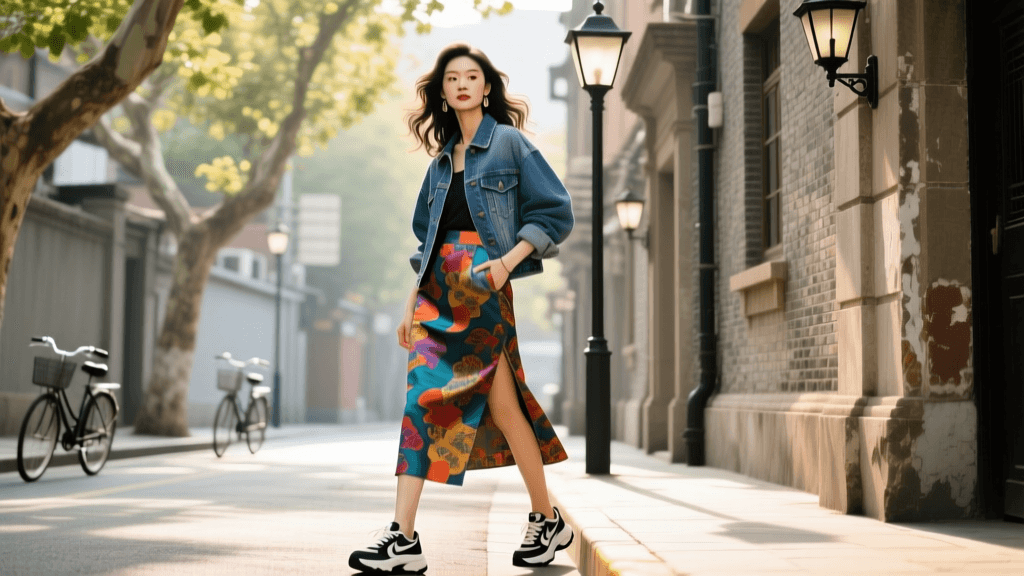
Over the past few years, the global fashion landscape has witnessed a seismic shift driven by Chinese social media. Douyin, the Chinese counterpart to TikTok, has become the epicenter of a sartorial renaissance known as 'Xin Zhongshi' or New Chinese Style. This movement is not merely about wearing historical costumes; it is a vibrant, living fusion of traditional Hanfu elements with contemporary streetwear. At the absolute forefront of this trend is the Mamianqun, or 'horse-face skirt,' a garment that has transitioned from museum archives to the bustling streets of Chengdu, Hangzhou, and Shanghai.
For international enthusiasts and fashion-forward individuals, decoding Douyin street fashion can feel overwhelming. The rapid-fire nature of short-form video content often leaves out the practical details of sourcing, sizing, and styling these intricate garments. However, by understanding the foundational elements of the Mamianqun and observing the styling formulas popularized by top Chinese street fashion influencers, anyone can integrate this breathtaking piece of Asian tradition into a modern, wearable wardrobe.
Decoding the Mamianqun: Anatomy of a Streetwear Staple
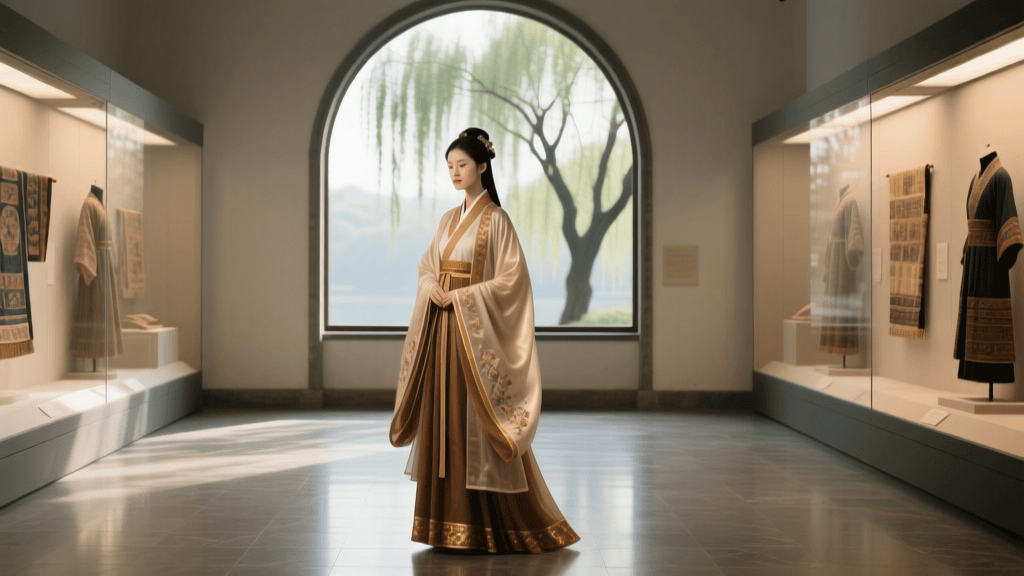
To style the Mamianqun effectively, one must first understand its unique architectural construction. Unlike Western pleated skirts, the Mamianqun is a wrap skirt characterized by two flat, unpleated panels (the 'horse faces') at the front and back, with deeply pleated panels on the sides. This design dates back to the Song and Ming dynasties, originally created to allow for ease of movement, particularly when riding horses or navigating varied terrain. You can explore the deep historical roots and structural evolution of this garment through the Mamianqun historical construction archives, which detail its significance across different Chinese dynasties.
The flat front and back panels serve as a canvas for elaborate embroidery, woven jacquard motifs, or metallic brocade patterns, while the side pleats remain hidden when standing still and flare out dynamically during movement. This contrast between structured stillness and kinetic energy is precisely why Douyin influencers favor the skirt for slow-motion street-style transitions and cinematic urban videos.
Sourcing Your First Mamianqun: A Practical Guide
Acquiring an authentic, high-quality Mamianqun requires navigating Chinese e-commerce platforms like Taobao or utilizing international proxy agents. When searching, using the correct Mandarin keywords is essential for finding daily-wear styles rather than heavy theatrical costumes. Use the search term '马面裙' (Mamianqun) combined with '日常' (daily wear) or '新中式' (New Chinese Style) to find modern, streetwear-friendly iterations.
Prices can vary wildly based on fabric and craftsmanship. A mass-produced polyester blend skirt may cost between $30 and $50 USD, while a meticulously crafted, real-silk jacquard skirt from a heritage brand in Hangzhou can range from $150 to over $400 USD. For those interested in the broader context of this clothing revival, the Hanfu movement provides excellent background on how modern manufacturing is adapting to meet the surging demand for traditional garments.
Fabric Comparison and Care Guide
| Fabric Type | Best Use Case | Approximate Cost (USD) | Care Instructions |
|---|---|---|---|
| Cotton/Linen Blend | Casual daytime, summer streetwear | $35 - $60 | Machine wash cold, hang dry, iron on medium. |
| Polyester Jacquard | Everyday office wear, durable travel | $40 - $80 | Machine wash gentle, low tumble dry, steam to remove wrinkles. |
| Silk Brocade / Organza | Evening events, high-end influencer shoots | $150 - $400+ | Dry clean only, store flat or rolled to preserve pleats. |
Mastering the Fit: Measurements and Tying Techniques
The most common mistake international buyers make is ordering the wrong size. Traditional Chinese garments do not always align with Western vanity sizing. The Mamianqun is meant to sit at the natural waist, not the hips. To get the perfect fit, measure the narrowest part of your torso. Furthermore, the skirt length is critical; Douyin influencers typically opt for a length that grazes the mid-calf or ankle to maintain the garment's elegant drape and to accommodate chunky streetwear footwear.
Tying the skirt is an art form in itself. The skirt features long, sturdy cotton or silk ribbons attached to the waistband. You must wrap the skirt around your body, ensuring the flat panels overlap perfectly in the center. The ties are then crossed in the back, brought to the front, and tied into a secure, flat knot or a decorative bow. Influencers often tuck the excess ribbon into the waistband for a cleaner silhouette, or let the ribbons flow down the side of the skirt to add an extra layer of movement to their street-style videos.
Influencer Styling Formulas for Everyday Wear
The genius of the Douyin street fashion community lies in its ability to contextualize historical garments for modern life. Here are three highly actionable, influencer-approved styling formulas to integrate the Mamianqun into your wardrobe:
- Formula 1: The Urban Streetwear Edge. Pair a dark, metallic-threaded polyester Mamianqun with a fitted, vintage-wash graphic t-shirt and an oversized leather biker jacket. Finish the look with chunky platform combat boots and silver hardware accessories. The contrast between the delicate traditional pleats and the aggressive leather creates a striking, photogenic silhouette perfect for city photography.
- Formula 2: The Modern Minimalist Office. Choose a solid-colored or subtly patterned cotton-linen Mamianqun in muted tones like sage green, navy, or charcoal. Tuck in a crisp, oversized white button-down shirt, and layer with a tailored, boxy blazer. Swap traditional embroidered shoes for sleek, chunky leather loafers. This look respects the garment's elegance while adhering to contemporary business-casual dress codes.
- Formula 3: Ethereal Summer Elegance. Opt for a lightweight, sheer organza Mamianqun with floral embroidery. Wear it over a high-quality silk slip dress or pair it with a fitted ribbed tank top and a lightweight, cropped cardigan. Accessorize with jade hairpins and woven flats. This formula is heavily featured in Douyin videos shot in traditional gardens or teahouses, emphasizing breathability and grace.
Accessory Integration: Hair and Jade
Douyin influencers rarely let the clothing stand entirely on its own; accessories are pivotal in bridging the gap between ancient and modern. A popular trend is the use of minimalist jade hairpins or modernized velvet hair claws to secure messy updos, providing a subtle nod to traditional aesthetics without looking like a historical reenactor. For those looking to study authentic historical textiles and ornamentation to inform their modern styling choices, the Victoria and Albert Museum's Asian textile archives offer a wealth of visual inspiration and historical accuracy regarding patterns, dyes, and accessory pairings.
The Cultural Impact of Digital Trendsetting
The proliferation of the Mamianqun on Douyin represents a profound cultural reclamation. Young Chinese designers and influencers are actively rewriting the narrative of traditional dress, proving that Asian heritage is not a static relic of the past, but a dynamic, evolving component of global fashion. By adopting these styling techniques, understanding the garment's construction, and respecting its origins, international fashion enthusiasts can participate in this cross-cultural dialogue. The streets of Chengdu and the digital feeds of Douyin have proven that when tradition meets innovation, the resulting style is truly timeless.