Hanfu Destination Guide: Styling for Social Media

The Rise of Hanfu Destination Tourism
The intersection of traditional Chinese dress and modern travel has birthed a massive cultural phenomenon. No longer confined to museum exhibits or niche cosplay events, Hanfu has become the ultimate travel uniform for domestic and international tourists exploring China. According to data highlighted by the Ministry of Culture and Tourism, heritage tourism has seen exponential growth, with ancient cities and classical gardens reporting massive spikes in visitors specifically seeking out Hanfu photography experiences. Platforms like Douyin (the Chinese version of TikTok) and Xiaohongshu (Little Red Book) are flooded with cinematic, slow-motion videos of travelers twirling in flowing silk skirts against the backdrop of pagodas and lantern-lit streets.
For content creators, travel bloggers, and cultural enthusiasts, planning a Hanfu-centric trip requires more than just buying a costume. It demands an understanding of historical accuracy, regional aesthetics, fabric logistics, and social media photography techniques. This comprehensive guide will walk you through the best destinations, garment specifications, and actionable tips for capturing viral-worthy content.
Matching Hanfu Styles to Iconic Destinations
China’s vast history means that different regions are architecturally and culturally tied to specific dynasties. Wearing the correct era-specific Hanfu in the corresponding city not only shows respect for historical records of Hanfu but also creates a visually cohesive aesthetic for your social media feed. Below is a strategic breakdown of where to go and what to wear.
| Destination | Recommended Era/Style | Key Garment Pieces | Best Photo Spots | Avg. Rental Cost (USD) |
|---|---|---|---|---|
| Xi'an | Tang Dynasty (618–907 AD) | Qixiong Ruqun, Daxiushan | Datang Everbright City, City Wall | $20 - $45 |
| Hangzhou | Song Dynasty (960–1279 AD) | Beizi, Pleated Skirt | West Lake, Lingyin Temple | $15 - $35 |
| Suzhou | Ming Dynasty (1368–1644 AD) | Mamianqun, Aoqun | Humble Administrator's Garden | $25 - $50 |
| Luoyang | Wei/Jin or Tang Dynasty | Jiaoling Ruqun, Banbi | Longmen Grottoes, Luoyi Ancient City | $15 - $40 |
Xi'an: The Tang Dynasty Dream
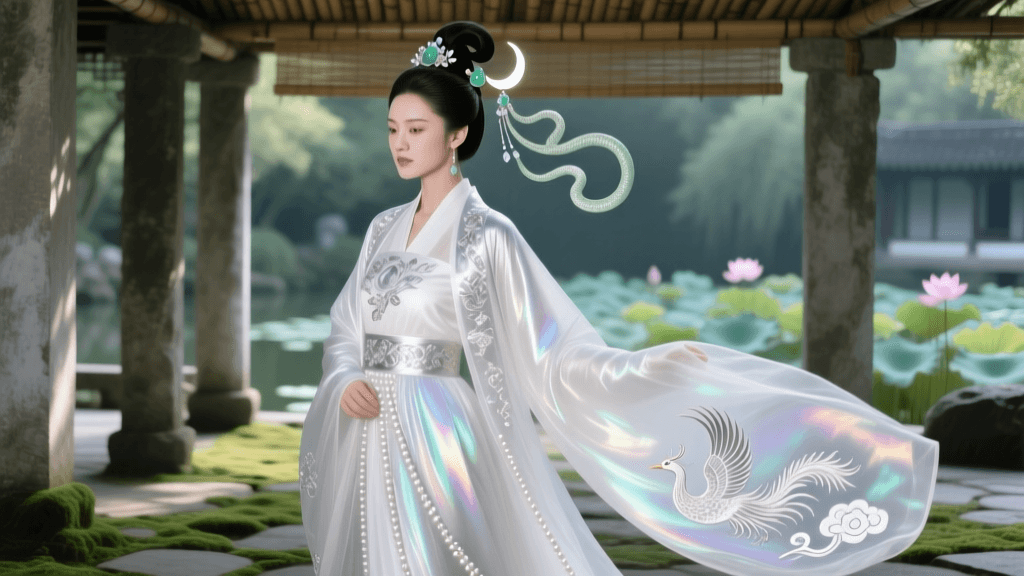
Xi'an, the ancient capital of Chang'an, is the undisputed mecca for Tang Dynasty aesthetics. The Tang era was characterized by cosmopolitan wealth, bold colors, and voluminous silhouettes. The quintessential outfit here is the Qixiong Ruqun (chest-high skirt). For social media videos that require dramatic twirling, look for a skirt with a hem circumference of at least 3 meters (roughly 3.3 yards). Pair this with a Daxiushan (large-sleeved robe) made of sheer, lightweight organza or silk chiffon. The wide sleeves, often measuring 60 cm across, catch the wind beautifully, creating a ethereal, fairy-like (Xianqi) effect perfect for slow-motion Douyin reels.
Hangzhou and Suzhou: Song and Ming Elegance
For the misty, poetic landscapes of Hangzhou's West Lake and Suzhou's classical gardens, the understated elegance of the Song and Ming dynasties is ideal. The Song Dynasty Beizi (a long, straight-collared coat with side slits) offers a slender, vertical silhouette that complements the weeping willows and stone bridges. In Suzhou, the Ming Dynasty Mamianqun (horse-face skirt) is the star. A high-quality Mamianqun uses between 4.5 to 6 meters of fabric to create deep, structured pleats (typically 4 cm to 5 cm wide) that swing with a heavy, luxurious drape when walking through moon gates and pavilions.
Practical Travel Tips: Fabrics, Packing, and Rentals
Traveling with traditional garments presents unique logistical challenges. Authentic textiles require care, and navigating China's high-speed rail network with bulky garments requires strategy.
Fabric Choices for Travel
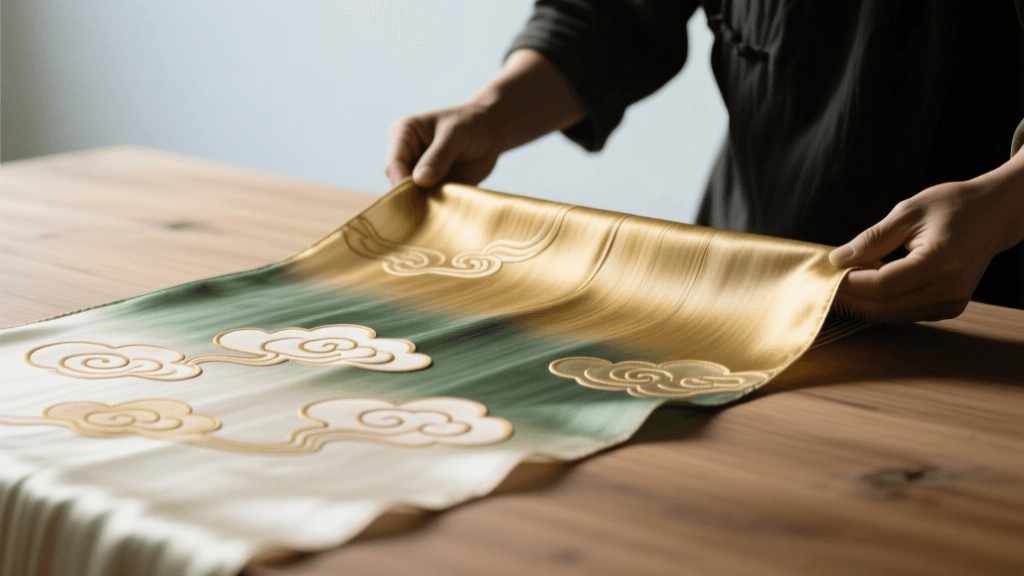
While pure mulberry silk is the gold standard for traditional Chinese textiles—as preserved and exhibited by institutions like the China Silk Museum—it is a nightmare for travel. Silk wrinkles instantly, snags easily, and requires professional dry cleaning. For destination tourism, opt for high-grade polyester-chiffon blends or jacquard woven synthetics. Modern Hanfu brands like Shisan Yu and Zhongling engineer synthetic fabrics that mimic the luster of silk but are entirely wrinkle-resistant and machine washable. If you are traveling in summer, prioritize 'Tian Si' (ice silk) blends, which offer a cooling effect and resist clinging in high humidity.
Rental vs. Buying: Cost Breakdown
Should you rent or buy? Here is a practical cost comparison to help you decide:
- Rental Shops (Hanfu Tiyan): Located near major tourist sites. Costs range from 100 to 350 RMB ($14 to $50 USD) per day. This usually includes the garment, basic hair styling, and makeup. Pros: No luggage, professional styling included. Cons: Fabrics are often cheap, shiny polyester; sizing is limited; hygiene can be a concern.
- Buying Entry-Level (Taobao Brands): Brands like Chun Xia Qiu Dong offer complete sets for 200 to 400 RMB ($28 to $55 USD). Pros: You keep it, better fit, hygienic. Cons: You must pack it and style your own hair.
- Buying High-End (Boutique Brands): Brands like Ming Huatang use genuine silk, real gold thread embroidery, and authentic historical patterns. Costs range from 1,500 to 5,000+ RMB ($200 to $700+ USD). Pros: Museum-quality pieces that photograph with unmatched texture and depth. Cons: High investment, requires careful maintenance.
Packing the Mamianqun
Never fold a Mamianqun flat, as this will destroy the structural pleats. Instead, lay the skirt flat, align the pleats, and roll it tightly from the hem to the waistband. Secure it with a silk ribbon and place it in a cylindrical garment bag. This method preserves the pleats and saves space in your suitcase.
Mastering Social Media Photography in Hanfu
Capturing the essence of Hanfu for platforms like Instagram, TikTok, or Xiaohongshu requires an understanding of lighting, movement, and cultural props.
Timing, Lighting, and Camera Settings
The golden rule of Hanfu photography is to shoot during the Golden Hour (the first hour after sunrise or the last hour before sunset). The soft, directional light highlights the intricate embroidery and jacquard weaves of the fabric without blowing out the highlights on lighter silks. If you are shooting in the harsh midday sun, seek out the shaded corridors of classical gardens or use a diffuser. For camera settings, use a portrait lens (equivalent to 85mm on a full-frame sensor) with a wide aperture (f/1.8 to f/2.8). This blurs the background of crowded tourist sites, isolating the subject and the intricate details of the Hanfu collar and waist accessories.
Posing and Props for Viral Content
Stiff, modern poses clash with traditional garments. Study classical Chinese painting for inspiration. Focus on fluid, dynamic movements:
- The Glance Back: Walk away from the camera, then turn your head slightly over your shoulder, keeping your chin tucked. This highlights the back embroidery of the Beizi or the drape of the skirt.
- The Sleeve Toss: For Tang dynasty wide sleeves, use a gentle flick of the wrist to send the fabric cascading through the air. Shoot in burst mode at 1/1000th of a second to freeze the fabric in mid-air.
- Essential Props: Never shoot empty-handed. Carry an oil-paper umbrella (youzhisan), a bamboo woven round fan, a jade pendant, or a traditional folding fan. These props give your hands something to do and add historical context to the frame.
Editing for the 'Guofeng' Aesthetic
The Chinese social media aesthetic, known as 'Guofeng' (National Style), favors slightly muted, cinematic color grading. Apps like Xingtu (WakeUp) and VSCO are industry standards. Lower the contrast slightly, push the shadows toward a warm amber or cool teal depending on the season, and add a subtle film grain. Avoid heavy skin-smoothing filters that blur the intricate textures of the garment's embroidery, as the clothing should be just as much the subject of the photo as the wearer.
Conclusion
Hanfu destination tourism is more than a fleeting social media trend; it is a vibrant, living revival of Asian textile heritage and cultural pride. By carefully selecting era-appropriate garments for your destination, understanding the practicalities of travel fabrics, and mastering the art of cinematic photography, you can create content that is not only visually stunning but deeply respectful of the traditions it represents. Whether you are twirling in a 3-meter Tang skirt in Xi'an or quietly sipping tea in a Ming-style Mamianqun in Suzhou, the journey is guaranteed to elevate both your wardrobe and your social media portfolio.