Kimono Motifs and Colors: A Guide to Japanese Symbolism
The Language of Threads: Introduction to Kimono Symbolism
The traditional Japanese kimono is far more than a mere garment; it is a wearable canvas that communicates the wearer's age, marital status, social standing, and, perhaps most importantly, their deep connection to the natural world. Unlike Western fashion, which often prioritizes the silhouette, the kimono relies heavily on its two-dimensional surface. The patterns, colors, and motifs dyed or woven into the silk are governed by centuries of cultural codification, poetic allusion, and strict seasonal rules.
Understanding this visual language—known as kisetsukan (seasonal awareness)—is essential for anyone looking to wear, collect, or appreciate traditional Japanese clothing. According to the Victoria and Albert Museum, the evolution of kimono motifs reflects a society that historically viewed humanity as an inseparable part of the natural cycle, a philosophy deeply rooted in Shinto and Buddhist traditions. Furthermore, the Metropolitan Museum of Art notes that during the Edo period (1603–1867), strict sumptuary laws dictated who could wear certain colors and patterns, forcing commoners to develop highly sophisticated, subtle dyeing techniques like yuzen to express their aesthetic sensibilities within legal boundaries.
Kisetsukan: The Art of Seasonal Timing
The most critical rule in kimono dressing is kisetsukan, or seasonal awareness. However, the rule is counterintuitive to Westerners: you must wear a seasonal motif before the season actually arrives, not during or after it. The philosophy is one of anticipation and longing, rather than mere reflection.
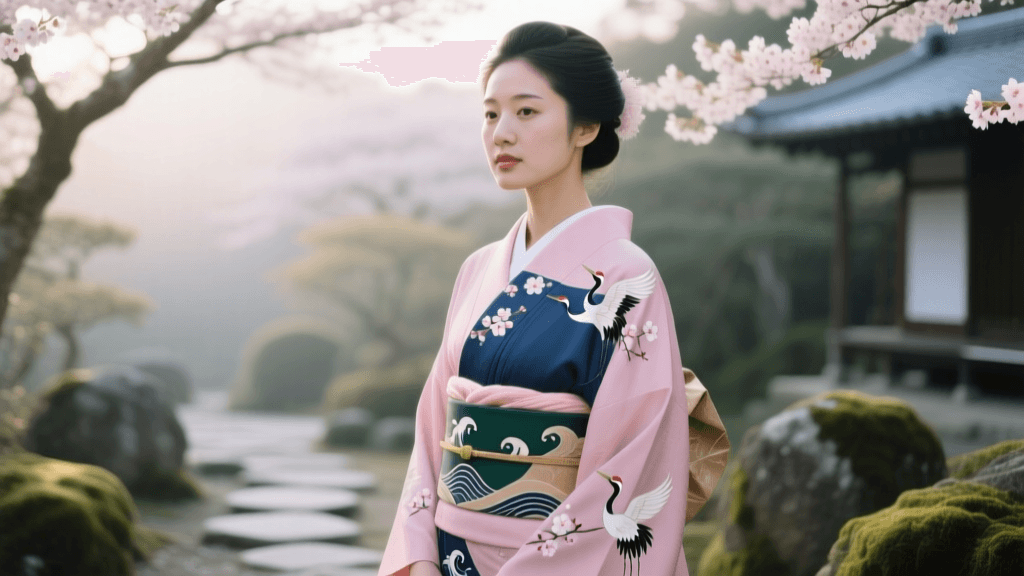
- Cherry Blossoms (Sakura): Wear in late February and March. By early April, when the flowers are actually blooming and falling, wearing sakura motifs is considered "late" and out of sync with nature.
- Autumn Leaves (Momiji): Wear in September and October. Once the leaves have actually turned red in November, the motif is retired for the year.
- Plum Blossoms (Ume): Wear in January and early February to anticipate the end of winter and the coming of spring.
- Pine, Bamboo, and Plum (Sho-chiku-bai): These are auspicious, non-seasonal motifs that can be worn year-round, particularly for weddings and New Year celebrations.
"To wear a motif after its season has peaked is to miss the poetic essence of the garment. The kimono is a promise of the season to come, not a documentary of the season that has passed."
Decoding Color Symbolism in Japanese Garments
Color in traditional Japanese dress is heavily tied to the Goshiki (five traditional colors) derived from ancient Chinese cosmology, as well as native Japanese dyeing traditions. The choice of color can signify mourning, celebration, youth, or maturity.
| Color | Symbolism & Meaning | Best Occasion | Typical Dye Cost Premium |
|---|---|---|---|
| Red (Aka) | Youth, passion, protection from evil spirits. Often used for undergarments (nagajuban) or young women's outerwear. | Coming of Age Day, youthful celebrations. | Base price (Safflower dye is more expensive). |
| White (Shiro) | Purity, beginnings, and mourning. Brides wear pure white (shiromuku), but it is also the color of the deceased. | Weddings, funerals (specific plain weaves). | High (requires flawless, unblemished silk). |
| Black (Kuro) | Formality, maturity, and solemnity. A black kimono with five family crests is the highest level of formal wear. | Weddings (for married women), formal ceremonies. | Moderate (requires deep, multi-dip indigo or synthetic black). |
| Purple (Murasaki) | Nobility, high rank, and spiritual depth. Historically restricted to the highest echelons of the imperial court. | Highly formal events, tea ceremonies. | Very High (traditionally dyed with rare gromwell root). |
| Indigo (Ai) | Humility, everyday life, and practicality. Repels insects and was favored by samurai for its antibacterial properties. | Casual wear, yukata, historical reenactments. | Low to Moderate (depending on fermentation vats). |
Auspicious Motifs: Sho-chiku-bai and Beyond
When attending joyous events like weddings or graduations, specific auspicious motifs are required to bring good fortune to the wearer and the occasion.
The Sho-chiku-bai (Pine, Bamboo, Plum)
This triad is the ultimate symbol of resilience and prosperity. The pine represents longevity and steadfastness, as it remains green through harsh winters. The bamboo symbolizes flexibility and strength, bending in the wind but never breaking. The plum represents perseverance and hope, as it is the first flower to bloom through the late winter snow.
Cranes and Turtles (Tsuru-Kame)
Based on an ancient proverb stating that "the crane lives for a thousand years, the turtle for ten thousand," these animals are heavily featured on uchikake (wedding over-robes) and kurotomesode (formal black kimono). They are strictly reserved for weddings and milestone longevity birthdays.
Practical Guide: Sourcing, Sizing, and Costs
Whether you are purchasing your first vintage piece, renting for a trip to Kyoto, or commissioning a bespoke garment, understanding the practicalities of sizing and budgeting is crucial. For those looking to experience this firsthand, the Japan National Tourism Organization highlights numerous certified rental shops and cultural centers where visitors can learn proper dressing techniques.
How to Measure for a Kimono
Unlike Western tailoring, which requires precise bust, waist, and hip measurements, kimono sizing relies on two primary metrics, as the garment is wrapped and folded to fit the body:
- Mitake (Back Length): Calculated as your total height multiplied by 0.8. For a person who is 160 cm (5'3"), the ideal mitake is roughly 128 cm. The hem should ideally graze the ankle bone, allowing for the ohashori (the waist fold).
- Yuki (Arm Span): Measured from the center back of the neck, across the shoulder, and down to the wrist bone. For an average height of 160 cm, the yuki is typically between 64 cm and 66 cm.
- Hip Width: While the waist is adjustable via folding, the hip measurement dictates the minimum width of the fabric panels. Standard vintage kimono have a hip allowance of about 100-105 cm. If your hips exceed this, the front panels will gap open.
Cost Breakdown and Sourcing Strategies
The cost of acquiring a kimono varies wildly based on the sourcing method. Below is a practical comparison to help you budget for your traditional garment needs.
| Sourcing Method | Cost Estimate (USD) | Lead Time | Best For |
|---|---|---|---|
| Vintage (Recycle Shops) | $40 – $250 | Immediate | Collectors, casual wear, budget-conscious buyers. (Look for shops like 'Chicago' in Tokyo or use proxy services like Buyee). |
| Rental (In Japan) | $35 – $120 / day | Book 2-4 weeks ahead | Tourists, one-off events. Includes dressing service (kitsuke), accessories, and hair styling. |
| New Off-the-Rack | $300 – $1,500 | Immediate to 2 weeks | Beginners wanting pristine condition. Often made of washable polyester blends or basic silks. |
| Bespoke (Yuzen Silk) | $3,000 – $15,000+ | 3 to 6 months | Heirloom investments, formal weddings, serious practitioners of traditional arts (tea ceremony, ikebana). |
Maintenance and Care Costs
Silk kimono cannot be washed at home. If you purchase a vintage garment or wear a silk kimono, you must budget for professional care. A maru-arai (a specialized full-garment wash using solvents that do not damage the silk or the dye) typically costs between $70 and $100 per garment in Japan, and significantly more in Western countries. Furthermore, storing your kimono requires a tansu (traditional cedar chest) or specialized acid-free paper wrappers (tatoushi) to prevent yellowing and moisture damage, which can cost an additional $20 to $50 for a proper storage kit.
Conclusion
The traditional Japanese kimono is a masterclass in intentional design. Every color chosen, every motif dyed, and every measurement taken is a deliberate act of cultural expression. By understanding the profound symbolism of kisetsukan and the historical weight of auspicious motifs, you transition from simply wearing a piece of clothing to participating in a living, breathing tradition. Whether you are sourcing a $50 vintage yukata for a summer festival or commissioning a $10,000 silk furisode for a coming-of-age ceremony, respecting the language of the threads ensures that the garment's story continues to be told with accuracy and reverence.