Neo-Hanfu and Xin Zhongshi: Modern Chinese Fusion Fashion
The Rise of Xin Zhongshi: Beyond Historical Reenactment
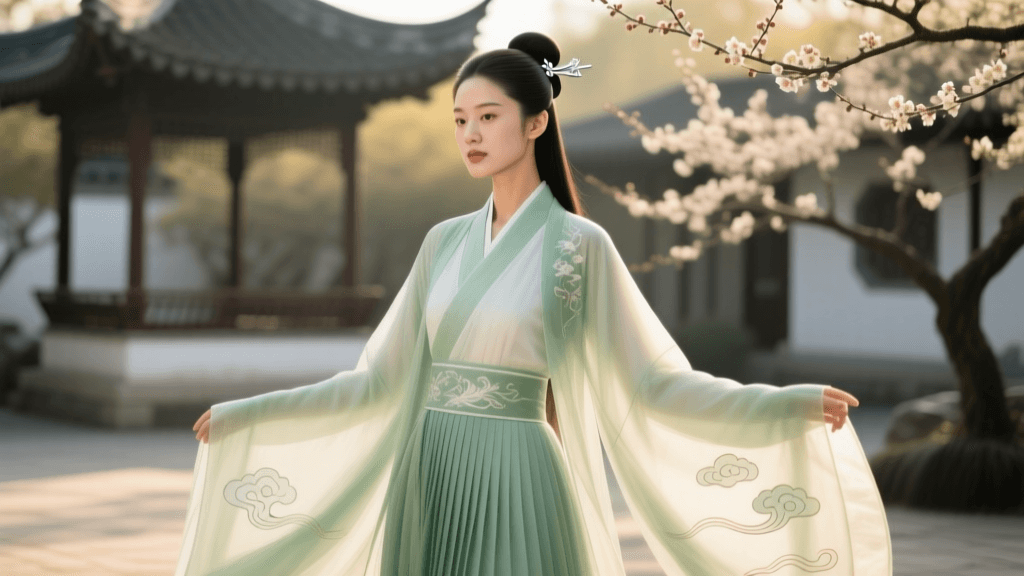
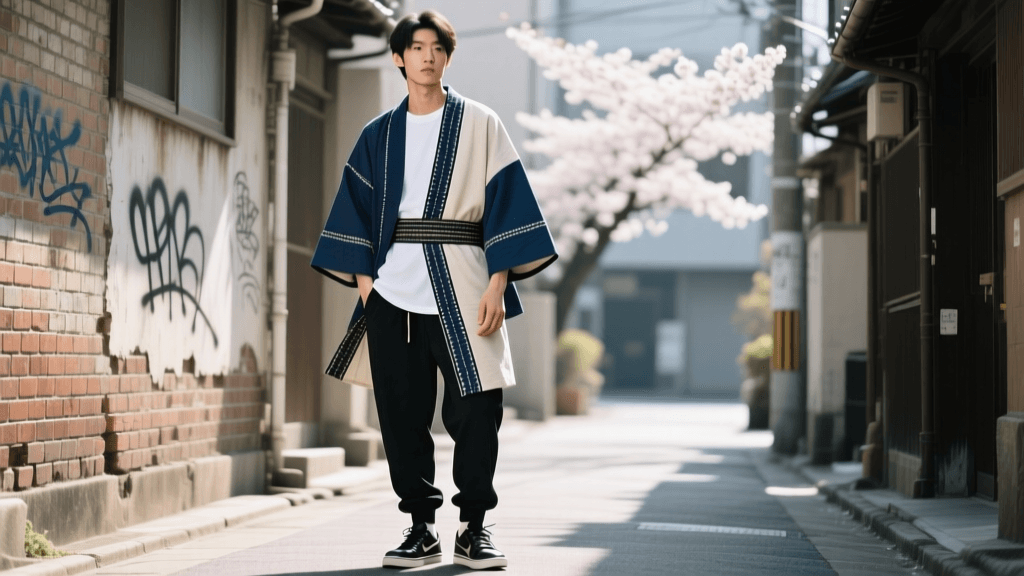
Over the past decade, the global fashion landscape has witnessed a profound cultural renaissance rooted in traditional Chinese clothing. While the early Hanfu movement of the 2000s and 2010s focused heavily on strict historical accuracy, ritual wear, and cosplay, the contemporary scene has evolved into something far more dynamic and accessible. Enter Xin Zhongshi (New Chinese Style) and Neo-Hanfu—a modern adaptation movement that extracts the structural and aesthetic DNA of ancient garments and injects them into contemporary, everyday silhouettes. According to extensive cultural reporting by BBC Culture, this fusion of ancient aesthetics with modern streetwear is not just a fleeting trend, but a powerful expression of cultural confidence among younger generations.
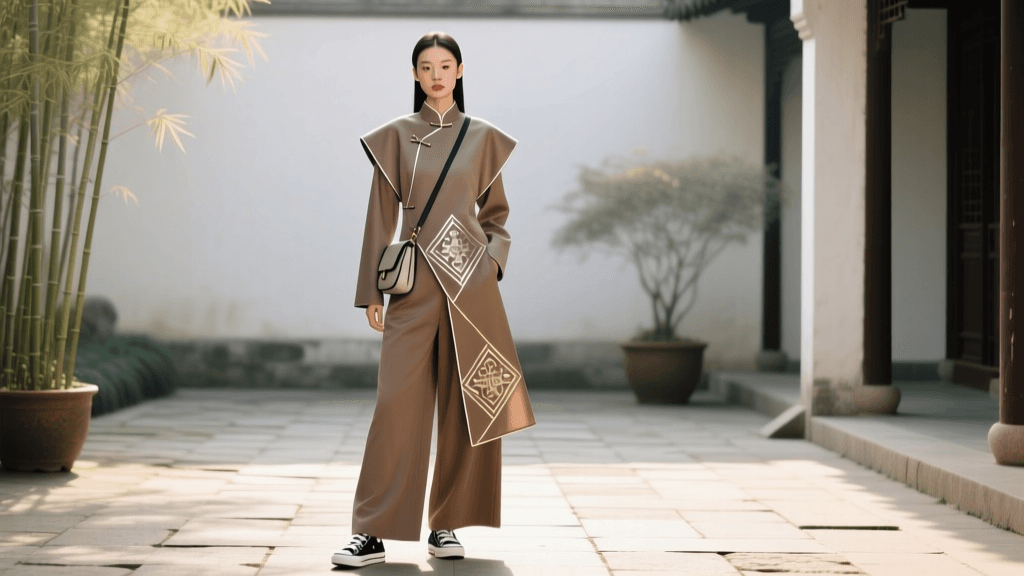
Xin Zhongshi is characterized by its pragmatism. It takes iconic elements—such as the parallel collar, intricate jacquard weaving, frog buttons (pankou), and pleated skirts—and reimagines them using modern textiles, tailored fits, and versatile styling. This guide will break down how to integrate these traditional Chinese elements into a modern fusion wardrobe, complete with practical styling advice, precise measurements, and sourcing tips.
Deconstructing the Fusion Wardrobe: Key Garments
To master the Neo-Hanfu aesthetic, one must understand the foundational garments that serve as the canvas for modern fusion. Below are the most prominent traditional pieces and how they are adapted for the modern streets.
1. The Mamian Qun (Horse-Face Skirt) Meets Streetwear
Originating in the Ming Dynasty, the Mamian Qun is a wrap skirt featuring two flat, unpleated panels (guangmian) at the front and back, with heavily pleated sides. Traditionally, these skirts were floor-length, crafted from heavy silk brocades, and worn with elaborate ceremonial tops.
Modern Adaptation: In the Xin Zhongshi movement, the Mamian Qun is the undisputed star of fusion fashion. Modern iterations often feature a midi-length cut (75cm to 85cm) to prevent the hem from dragging on urban streets and to allow for the showcasing of statement footwear. Instead of traditional silk, modern skirts utilize durable polyester-jacquard blends or cotton-linen mixes, making them machine-washable and suitable for daily wear.
- Measurements: Look for a waistband that sits at the natural waist. Traditional skirts use side-ties allowing for a 2-3 inch adjustability, while modern fusion brands often incorporate hidden elastic panels or hook-and-eye closures for convenience.
- Styling: Pair a dark, woven jacquard Mamian Qun with a vintage graphic tee, a cropped leather biker jacket, and chunky sneakers (like New Balance 990s or Nike Air Force 1s). The contrast between the romantic, structured pleats and the edgy streetwear creates a striking visual balance.
2. The Song Dynasty Beizi as a Modern Duster
The Beizi is a traditional outer garment characterized by its open front, parallel collar, and dramatic side slits that extend up to the armpit. Historically worn by both men and women during the Song Dynasty, it was a symbol of scholarly elegance and relaxed refinement.
Modern Adaptation: Today, the Beizi functions perfectly as a longline duster, trench coat, or lightweight cardigan. Modern designers have narrowed the sleeves and introduced contemporary fabrics like washed linen, lightweight wool blends, and even sheer organza for summer layering.
- Measurements: A modern Beizi typically ranges from 90cm to 110cm in length, falling just below the knee or mid-calf. The dropped shoulder seam provides an oversized, relaxed fit that accommodates modern layering.
- Styling: Wear a sheer or linen Beizi over a fitted silk camisole and high-waisted wide-leg denim. The side slits allow for ease of movement and create a flowing, dramatic silhouette when walking.
3. Pankou (Frog Buttons) and the Tangzhuang Jacket
Pankou are intricately knotted fabric buttons that have been used for centuries to fasten Chinese garments. The Tangzhuang (Tang suit), popularized in the early 2000s, traditionally features a mandarin collar and pankou closures down the center front.
Modern Adaptation: Rather than wearing a full, traditional Tang suit, modern fusion fashion isolates the pankou and the mandarin collar, applying them to unexpected garments. You will now find frog buttons adorning cropped denim jackets, structured corsets, and vegan leather bomber jackets. This subtle nod to heritage transforms a basic Western silhouette into a striking piece of fusion wear.
Seasonal Styling Formulas for Fusion Fashion
Integrating Neo-Hanfu into your daily rotation requires an understanding of fabric weights and seasonal layering. Here are three actionable formulas to build your fusion wardrobe year-round.
- Spring (The Scholar's Layer): A lightweight, washed-linen Song Dynasty Beizi (dusty blue or sage green) layered over a white ribbed turtleneck and tailored straight-leg trousers. Finish with leather loafers.
- Autumn (The Streetwear Contrast): A heavy polyester-jacquard Mamian Qun (featuring subtle metallic threadwork) paired with a fitted black turtleneck and an oversized, structured wool blazer. Ankle boots or platform Mary Janes complete the look.
- Winter (The Velvet Tang): A cropped, velvet-lined Tangzhuang jacket with modern snap-frog buttons, worn over a sleek, floor-length knit midi dress. The cropped jacket defines the waist while providing warmth and cultural texture.
Traditional Elements vs. Modern Fusion Adaptations
Understanding the differences between historical garments and their modern counterparts is crucial for sourcing the right pieces and setting accurate expectations regarding fit and care.
| Garment Element | Traditional Form | Modern Xin Zhongshi Adaptation | Average Cost (USD) | Best Styling Pairing |
|---|---|---|---|---|
| Mamian Qun | Floor-length, heavy silk/satin, side-ties only | Midi-length (75-85cm), poly-jacquard, hidden zippers/elastic | $30 - $80 | Graphic tees, cropped leather jackets, chunky sneakers |
| Beizi (Duster) | Calf-length, wide sleeves, raw silk or gauze | Knee-length, tapered sleeves, linen/cotton blends | $45 - $120 | Wide-leg denim, silk camisoles, loafers |
| Pankou (Buttons) | Functional, hand-knotted silk, used on full robes | Decorative or functional, applied to denim, corsets, and modern outerwear | $20 - $150 (per garment) | High-waisted skirts, modern turtlenecks |
| Mamian Qun Top | Round-collar or standing-collar Ao (jacket) | Cropped cardigans, modern blouses with subtle embroidery | $25 - $60 | High-waisted trousers, pleated skirts |
Sourcing and Costs: Building Your Collection
The accessibility of Xin Zhongshi fashion has exploded, largely driven by e-commerce platforms and independent designers. When sourcing these garments, it is important to understand the tiered market.
Entry-Level and Fast Fashion ($20 - $50 USD)
Platforms like Taobao, AliExpress, and Shein offer highly affordable entry points into Neo-Hanfu. At this price point, expect synthetic fabrics (polyester, nylon) and machine-made jacquard weaves. While these pieces are excellent for experimenting with the silhouette and styling, they may lack breathability and longevity. Always check user reviews for photos of the fabric drape and pleat retention.
Mid-Tier Indie Brands ($60 - $150 USD)
Independent Chinese designers and specialized boutiques on Etsy or dedicated Hanfu retailers offer a significant step up in quality. These brands often use natural fiber blends (cotton-linen, rayon-silk blends) and pay closer attention to historical motifs, ensuring that patterns like the 'cloud shoulder' or 'lotus' are culturally accurate rather than generic. The pleats on Mamian Quns at this tier are often heat-set for permanence.
High-End and Luxury ($200 - $800+ USD)
For purists and luxury fashion enthusiasts, brands like Minghuatang offer garments that utilize authentic Ming dynasty loom techniques, genuine mulberry silk, and real gold-leaf thread weaving. As noted by The New York Times, the upper echelon of the Hanfu market treats these garments not just as clothing, but as wearable cultural artifacts and investment pieces.
Garment Care for Fusion Textiles
Modern fusion garments are designed for the realities of contemporary life, but they still require specific care to maintain their structural integrity, particularly the pleats of the Mamian Qun and the delicate knots of the Pankou.
- Washing: Always use a mesh laundry bag when machine washing jacquard skirts on a gentle, cold-water cycle. Hand washing is preferred for linen Beizi to prevent shrinkage.
- Drying: Never tumble dry a Mamian Qun. The heat will destroy the heat-set pleats and cause the metallic threads in modern brocades to warp. Hang dry in the shade to prevent color fading.
- Ironing: Use a low-heat steam iron. When ironing a pleated skirt, lay it flat and use a pressing cloth to avoid creating unwanted shine on the synthetic fibers. Never iron directly over Pankou knots, as the dense fabric can scorch.
Cultural Confidence Through Fashion
The evolution of traditional Chinese clothing into modern fusion wear represents a fascinating intersection of history, identity, and global fashion. It is no longer about wearing a costume; it is about curating a personal aesthetic that honors the past while living firmly in the present. As highlighted by the South China Morning Post, the Xin Zhongshi movement is a testament to a generation that views their heritage not as a relic to be kept behind glass, but as a living, breathing textile to be worn, adapted, and shared with the world.
'Fashion is the most immediate language of cultural identity. By adapting the Mamian Qun and the Beizi for the modern street, we are not erasing history; we are ensuring it survives the test of time by making it relevant to our daily lives.'
Whether you are pairing a centuries-old skirt silhouette with a vintage band tee or layering a linen scholar's coat over modern denim, Neo-Hanfu and Xin Zhongshi offer a profound, stylish, and deeply personal way to engage with Asian traditions in the 21st century.