The Haori Revival: Styling Japanese Jackets in Streetwear
The Intersection of Edo Tradition and Harajuku Streets
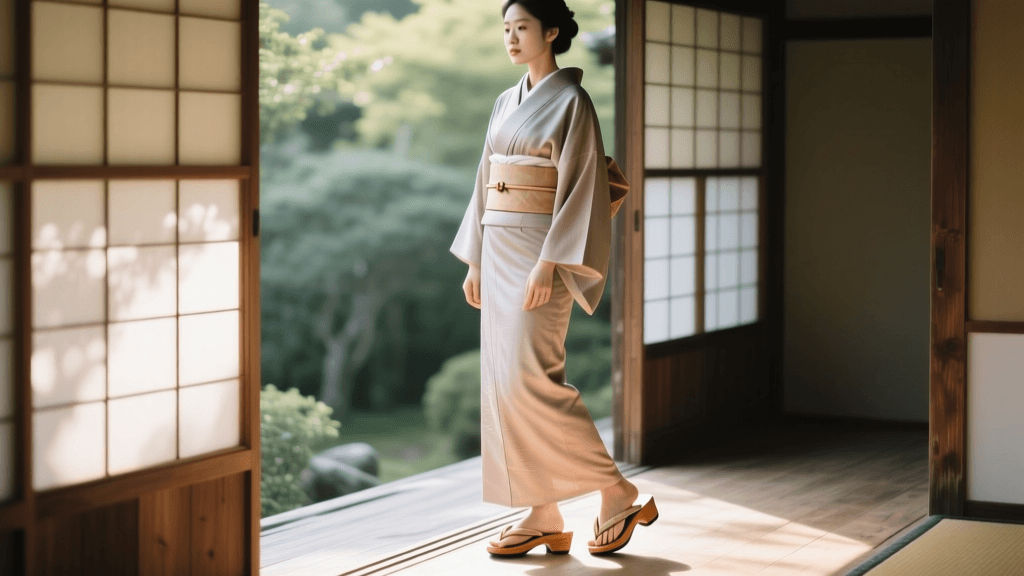
The traditional Japanese haori is a T-shaped, hip- or thigh-length jacket worn over a kimono. Originally designed as a practical overcoat for samurai during the Edo period (1603–1867), it later evolved into a symbol of status and hidden luxury. According to the Metropolitan Museum of Art, sumptuary laws often restricted outward displays of wealth, leading artisans to weave intricate, opulent patterns into the inner linings of the haori, keeping the exterior relatively subdued. Today, this garment has transcended its historical boundaries, finding a vibrant second life in global streetwear and avant-garde fashion hubs from Harajuku to Brooklyn.
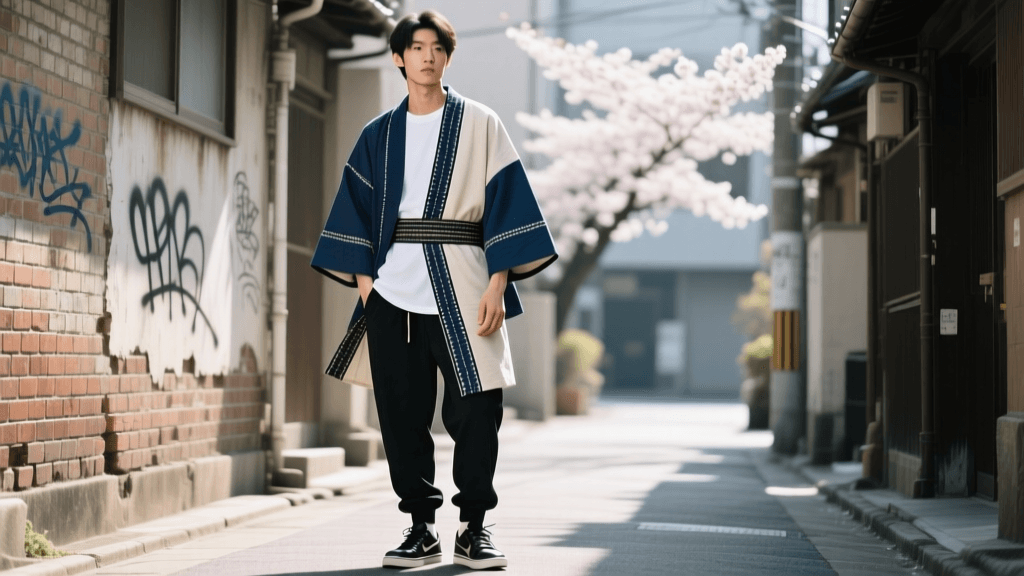
The modern revival of the haori is not merely a trend; it is a cultural dialogue. As highlighted by the Victoria and Albert Museum's groundbreaking Kimono: Kyoto to Catwalk exhibition, contemporary designers and street-style icons are deconstructing traditional Japanese silhouettes to challenge Western-centric tailoring. The haori’s inherently boxy, gender-neutral drape makes it an irresistible layering piece for modern urbanites seeking volume, movement, and a touch of historical gravitas in their daily rotation.
Why the Haori is the Ultimate Streetwear Layering Piece
In the lexicon of streetwear, silhouette is everything. The haori offers a masterclass in proportion. Unlike Western jackets that rely on structured shoulders and tapered waists, the haori is constructed from straight panels of fabric, creating a striking geometric profile. The wide, open sleeves allow for substantial under-layering—perfect for transitioning between crisp autumn mornings and heated subway cars. Furthermore, the absence of buttons or zippers, relying instead on the delicate silk braided ties known as haori himo, introduces a kinetic, flowing element to the garment as the wearer moves through the urban landscape.
Actionable Guide: Sizing and Measurements for Streetwear
Sourcing vintage haori requires a departure from standard Western sizing (S, M, L). Japanese vintage garments are measured flat in centimeters. To achieve the coveted oversized streetwear aesthetic, you must pay close attention to three critical measurements: Yuki (center back to sleeve tip), Katahaba (shoulder width), and Take (back length).
For a traditional fit, the Take usually sits at the upper thigh. However, for modern streetwear, you generally want either a dramatically cropped boxy fit (Take: 60-70cm) or a long, sweeping drape that mimics a trench coat (Take: 90-110cm). Below is a comparison chart to guide your online thrifting:
| Measurement | Traditional Fit | Streetwear Fit (Oversized/Drape) | Streetwear Fit (Cropped/Boxy) |
|---|---|---|---|
| Take (Back Length) | 75 - 85 cm | 95 - 110 cm | 60 - 70 cm |
| Yuki (Sleeve Length) | 60 - 64 cm | 68 - 75 cm | 65 - 72 cm |
| Katahaba (Shoulder) | 58 - 62 cm | 65 - 75 cm (Drop shoulder) | 65 - 70 cm (Boxy drop) |
| Sodehaba (Sleeve Width) | 30 - 33 cm | 38 - 45 cm (Wide drape) | 35 - 40 cm |
3 Modern Streetwear Styling Formulas
Integrating a 100-year-old silk garment into a modern wardrobe requires a deliberate clash of textures and eras. Here are three actionable styling formulas, complete with product recommendations and estimated costs, to anchor your haori in contemporary street fashion.
Formula 1: The Techwear Shadow
Contrast the delicate silk of a vintage haori with the hyper-functional, synthetic fabrics of modern techwear. This look leans into the urban ninja aesthetic popularized by brands like Acronym and Nike ACG. Swap the traditional silk himo ties for a matte black nylon paracord or a tactical carabiner to secure the front panels.
- Base Layer: Nike ACG Therma-FIT Hoodie (Approx. $120)
- Trousers: Acronym P10-L or generic technical cargo pants with articulated knees (Approx. $150 - $800)
- Footwear: Salomon XT-6 or Nike ISPA Link (Approx. $180)
- The Haori: Solid black or dark indigo vintage silk with a subtle geometric kasuri pattern. (Approx. $80)
Formula 2: Vintage Americana Workwear
The ruggedness of heavy denim and canvas provides a grounding counterweight to the haori’s elegance. This formula bridges the gap between Japanese heritage and American workwear, a staple of the Harajuku vintage scene. Let the haori hang completely open to reveal the layered textures underneath.
- Base Layer: Faded heavyweight waffle-knit henley or a vintage Levi's Type II denim jacket (Approx. $60 - $150)
- Trousers: Carhartt WIP Double-Knee Painter Pants in washed duck canvas (Approx. $110)
- Footwear: Red Wing Iron Rangers or worn-in New Balance 990v5 (Approx. $200)
- The Haori: Mid-century polyester or cotton-blend haori featuring bold, vibrant floral or avian motifs. (Approx. $45)
Formula 3: Avant-Garde Darkwear
For those who favor the dramatic, flowing silhouettes of designers like Yohji Yamamoto or Rick Owens, a long, monochromatic haori serves as the ultimate statement overcoat. The key here is proportion; the haori should be exceptionally long, brushing against the mid-calf.
- Base Layer: Asymmetrical draped tunic or oversized knit sweater (Approx. $100 - $400)
- Trousers: Wide-leg pleated wool trousers or drop-crotch hakama-inspired pants (Approx. $150)
- Footwear: Chunky leather derbies or split-toe Tabi boots (Approx. $250)
- The Haori: Vintage silk tsumugi (slubbed silk) in charcoal, deep plum, or black, chosen for its matte texture and heavy drape. (Approx. $120)
Fabric Selection for Urban Climates
Not all haori are created equal, especially when subjected to the rigors of city living. While vintage silk meisen and tsumugi are highly prized by collectors, they are vulnerable to rain and street pollution. For daily streetwear rotation, seek out mid-century polyester blends or modern cotton-linen haori. These materials offer the same striking silhouettes but can withstand unexpected downpours and are often machine-washable on delicate cycles. As noted in BBC Culture's coverage of Japanese fashion evolution, the democratization of synthetic textiles in the mid-20th century allowed everyday citizens to own vibrant, durable garments that perfectly suit today's fast-paced urban environments.
Sourcing Authentic Haori: Costs, Timing, and Platforms
Building your collection requires knowing where and when to buy. The secondary market for Japanese garments is vast, but timing your purchases can save you hundreds of dollars.
- Online Proxy Services: Platforms like Buyee and ZenMarket allow you to bid on Yahoo! Auctions Japan and Mercari Japan. This is where you will find the highest volume of authentic pieces. Cost: $20 - $150.
- Global Vintage Marketplaces: Etsy and specialized Instagram vintage dealers curate the best pieces but charge a premium for their curation and international shipping. Cost: $80 - $350.
- In-Person Thrifting (Tokyo): If you are visiting Japan, neighborhoods like Shimokitazawa, Koenji, and Nakameguro are treasure troves. Stores like Chicago and New York Joe Exchange stock racks of haori.
- Optimal Timing: Buy in late autumn (October/November) when Japanese thrift stores clear out summer yukata and stock heavier winter haori. Alternatively, shop during the Japanese New Year (January) when families sell gifted garments to second-hand shops, flooding the market with high-quality, barely worn silk pieces at a fraction of the cost.
Garment Care for the Urban Environment
Preserve your investment by avoiding wire hangers, which will distort the straight-line construction of the shoulders. Instead, use wide, padded wooden hangers. After wearing your haori in the city, air it out in a shaded, well-ventilated area for 24 hours to dissipate urban odors and moisture. Never expose vintage silk to direct sunlight, as the UV rays will rapidly degrade the fibers and fade the intricate dyed patterns. For spot cleaning, use a damp microfiber cloth with a drop of mild, pH-neutral detergent, dabbing gently rather than rubbing. For deep cleaning of silk garments, always consult a specialist who understands traditional Japanese textile construction.