Kimono Footwear and Obi Accessories: A Formality Guide
Introduction to Kimono Accessories and Formality
The art of wearing a kimono, known as kitsuke, extends far beyond the main garment itself. In traditional Japanese dress, the formality, seasonality, and overall aesthetic of an outfit are heavily dictated by its accessories. From the footwear you choose to the intricate braided cords that secure your obi, every element carries historical weight and strict sartorial rules. Understanding these nuances is essential for anyone looking to wear traditional Japanese clothing with authenticity and respect.
As noted by Britannica's comprehensive guide to the kimono, the evolution of Japanese dress is deeply intertwined with social class, occasion, and the changing seasons. While the kimono provides the canvas, it is the zori, geta, tabi, and obi accessories that complete the masterpiece. This guide will walk you through the practical and historical aspects of kimono footwear and obi accessories, providing actionable advice for modern wearers and collectors alike.
Understanding Kimono Footwear: Zori vs. Geta
Footwear in traditional Japanese attire is broadly categorized into two main types: zori and geta. Choosing between them depends entirely on the formality of the kimono, the weather, and the setting.
Zori: The Elegant Standard
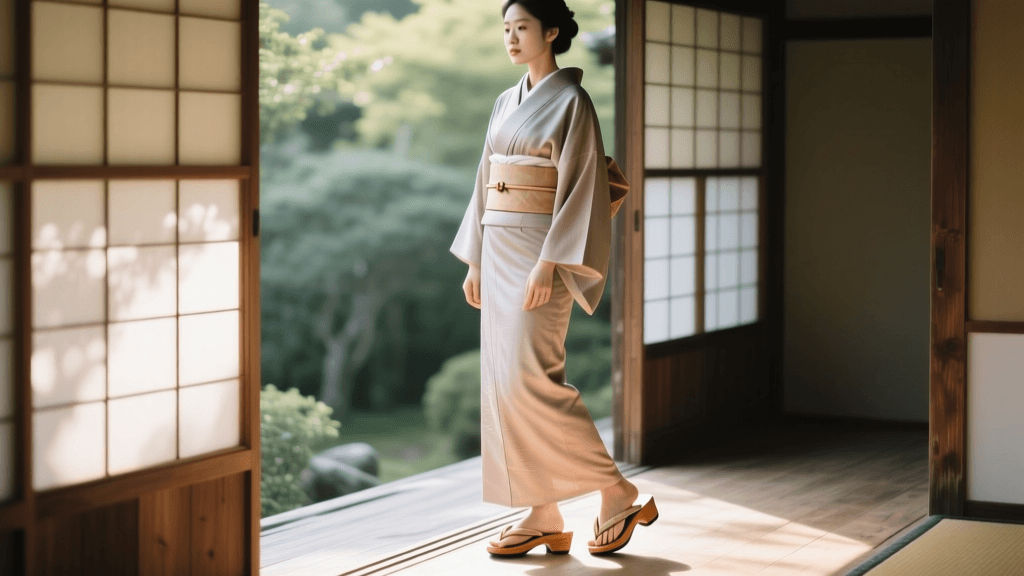
Zori are flat, oval-shaped sandals that serve as the standard footwear for almost all formal and semi-formal kimono ensembles. Unlike Western shoes, zori do not have a left or right foot distinction. The base (the sole) can be made from a variety of materials, including brocade fabric, vinyl, leather, or woven straw. The thong that holds the foot is called the hanao.
- Formal Zori: For highly formal occasions such as weddings or tea ceremonies, zori are typically covered in gold or silver brocade, or high-quality white vinyl. The hanao is usually white or gold, and the sole is relatively thick to elevate the wearer and protect the kimono hem.
- Semi-Formal and Casual Zori: For visiting wear (homongi) or everyday kimono (komon), zori can feature colorful patterns, textured fabrics, or dark vinyl. The hanao may contrast with the sole, adding a pop of color that coordinates with the obi.
Sizing and Fit: Traditional Japanese footwear is sized in centimeters. A crucial rule of kitsuke is that the zori should be slightly smaller than the wearer's actual foot. The heel should overhang the back of the zori by about 1 to 2 centimeters. This intentional overhang prevents the back of the kimono from dragging on the ground and catching dirt.
Geta: Traditional and Casual Wooden Clogs
Geta are wooden clogs elevated by one or two "teeth" (called ha) on the underside. They are inherently casual and are primarily worn with yukata (summer cotton kimono) or informal wool and cotton kimono. The elevated teeth were historically designed to keep the wearer's feet and kimono hem clean above muddy streets and snow.
- Ukon and Sakon: Unlike zori, geta are often carved with a slight asymmetry to accommodate the natural shape of the foot, though modern mass-produced geta are often symmetrical.
- Senryo and Komachi: These are specific shapes of geta bases. Senryo geta have a slanted front tooth, while Komachi geta feature a more rounded, elegant profile, often favored by geisha and maiko in Kyoto.
When walking in geta, the wearer should lean slightly forward and strike the ground with the front teeth first, creating the iconic "clack-clack" sound. Dragging the feet will cause premature wear to the wooden teeth.
The Essential Companion: Tabi Socks
No discussion of kimono footwear is complete without mentioning tabi, the traditional split-toe socks designed to accommodate the hanao of zori and geta.
- Formal Tabi: Pure white cotton tabi with a smooth, non-stretch weave are mandatory for formal wear. They fasten at the back with metal clips called kohaze. Standard formal tabi have four or five kohaze.
- Casual Tabi: For casual outfits, tabi can be dyed, patterned, or made from stretchy, comfortable materials. Black or navy tabi are popular among men for casual wear, while women might choose tabi that match the color palette of their kimono.
- Sizing Tip: Unlike zori, tabi should fit snugly without any overhang. If you are between sizes, it is generally recommended to size up by 0.5 cm to prevent the fabric from pulling tightly across the toes, which can cause discomfort and distort the split-toe shape.
The Art of the Obi: Essential Accessories
The obi is the wide sash that secures the kimono, but it requires a suite of smaller accessories to tie properly and beautifully. These accessories are not merely functional; they are vital indicators of formality and personal style. Institutions like The Metropolitan Museum of Art's Asian Art collection frequently highlight the intricate textile arts and metalwork found in historical obi accessories, showcasing their importance in Japanese material culture.
Obijime: The Braided Cord
The obijime is a braided cord tied over the center of the obi knot to secure it in place. The art of braiding these cords is known as kumihimo, a technique historically used for samurai armor lacing before being adapted for kimono.
- Maru-gumi (Round Cords): These are the most common and versatile, suitable for almost all occasions from semi-formal to casual.
- Hira-gumi (Flat Cords): Flat, wide braids that are generally reserved for highly formal occasions, such as weddings or tea ceremonies. They often feature woven gold or silver threads.
Obidome: The Decorative Brooch
The obidome is a small, decorative ornament that is threaded onto the obijime before it is tied. It rests at the front center of the obi, acting as a focal point. Obidome can be carved from precious stones like jade and coral, crafted from lacquer, or cast in precious metals.
Formality Rule: Obidome are generally considered casual to semi-formal accessories. They are rarely worn with the highest level of formal kimono (like kurotomesode), where the obijime itself is meant to be the sole decorative element. However, a subtle, elegant obidome is perfect for houmongi or tsukesage.
Obiage: The Silk Scarf
The obiage is a piece of silk cloth wrapped around the obi-makura (the pillow used to give the obi knot its volume) and tucked into the top of the obi. It hides the structural elements of the knot while adding a layer of color.
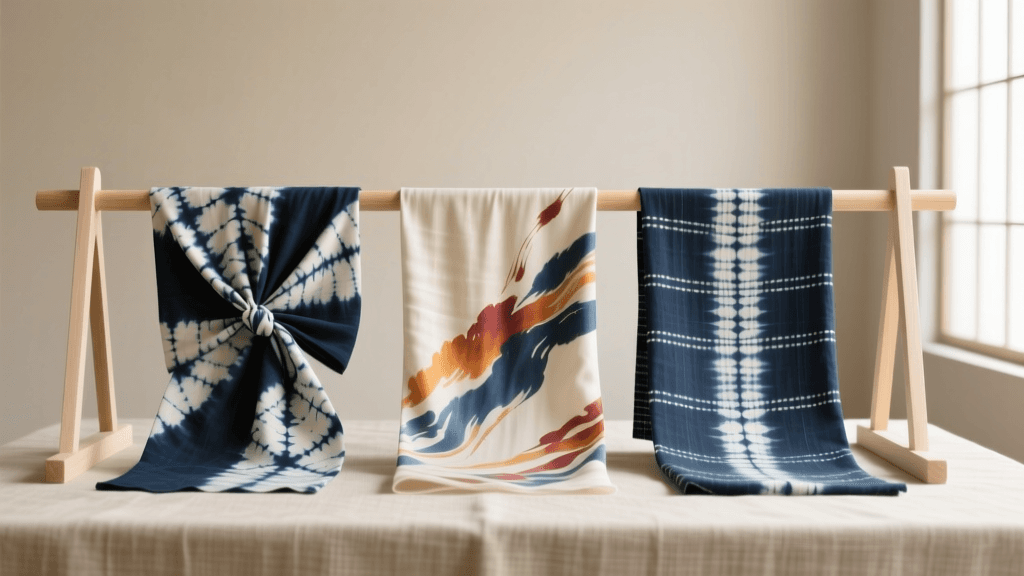
- Formal Obiage: Usually made of white or light pastel silk crepe (chirimen), often featuring subtle gold leaf or tie-dye (shibori) patterns.
- Casual Obiage: Can feature bold colors, large patterns, and heavier textures. In winter, heavier silks or even velvet may be used.
Formality Chart: Matching Footwear and Obi Accessories
To help you navigate the complex rules of kitsuke, refer to the table below. This chart outlines the appropriate footwear and obi accessories for the most common kimono types.
| Kimono Type | Formality Level | Footwear (Zori/Geta) | Tabi | Obijime & Obiage |
|---|---|---|---|---|
| Kurotomesode | Ultra-Formal (Married Women) | Gold/Silver Brocade Zori, White Hanao | Pure White Cotton (5 Kohaze) | White/Silver Flat Obijime, White Obiage |
| Furisode | Ultra-Formal (Unmarried Women) | Brocade or Glossy Vinyl Zori | Pure White Cotton | Colorful Round Obijime, Patterned Obiage |
| Houmongi | Formal (Visiting Wear) | Elegant Vinyl or Silk Zori | White or Very Light Pastel | Coordinating Colors, Obidome Optional |
| Komon | Casual (Everyday) | Casual Zori, Woven Straw, or Geta | Patterned or Colored Stretch Tabi | Bold Colors, Textured Cords, Fun Obidome |
| Yukata | Summer Casual | Geta (Barefoot, No Tabi) | None (Barefoot is traditional) | Thin Cotton or Obijime, or no Obijime |
Seasonality in Accessories
Just as kimono fabrics change with the seasons, so do the accessories. In the height of summer (July and August), wearers switch to natsuzori (summer zori) made from woven rattan, bamboo, or igusa rush grass. These materials are breathable and visually cooling. Conversely, in the winter, accessories shift to heavier, warmer materials. Velvet obiage, dark-colored lacquered geta, and thick, plush obijime become the standard. Matching the seasonal motif of your obidome—such as cherry blossoms in spring or maple leaves in autumn—is a hallmark of a sophisticated kimono wearer.
Practical Tips for Sizing, Care, and Vintage Collecting
For those building a kimono wardrobe, acquiring vintage accessories is a cost-effective and sustainable choice. However, vintage footwear requires careful inspection.
- Inspecting Vinyl Zori: Vintage vinyl zori from the 1970s and 80s are prone to hydrolysis, a chemical breakdown that causes the vinyl to become sticky or crumble. Always check the soles and the hanao for tackiness before purchasing.
- Caring for Geta: Wooden geta should be kept away from extreme humidity to prevent warping. If the wooden teeth become worn down from walking on asphalt, they can be resoled with rubber caps by a specialist cobbler.
- Storing Obijime: Silk braided cords can lose their shape if stored improperly. Coil them loosely in a circular shape and store them in a drawer lined with acid-free washi paper. Never hang obijime, as the weight will stretch the braid.
- Cost Expectations: A brand-new, high-quality formal zori can cost anywhere from $100 to $300 USD, while vintage pairs in excellent condition can be found for $30 to $60 USD. Hand-braided silk obijime are labor-intensive and typically start around $40 USD, with antique gold-threaded pieces fetching much higher prices at auction.
Conclusion
Mastering the nuances of kimono footwear and obi accessories transforms the act of getting dressed into a deeply rewarding cultural practice. By understanding the distinct roles of zori, geta, obijime, and obidome, you ensure that your ensemble is not only visually harmonious but also culturally respectful. Whether you are stepping into a pair of rattan zori for a summer festival or tying a formal gold obijime for a wedding, these accessories are the vital finishing touches that bring the timeless elegance of the kimono to life.