Kimono Accessories Guide: Zori, Tabi, and Obi Styling
The Complete Ecosystem of Kimono Accessories
When exploring the world of traditional Japanese clothing, it is easy to become captivated by the vibrant silk of the kimono or the intricate weaving of the obi sash. However, a kimono ensemble is not merely a single garment; it is a comprehensive, head-to-toe system of aesthetic rules, seasonal markers, and social signifiers. According to cultural historians at the Victoria and Albert Museum, the kimono represents a highly structured visual language where every accessory—from the footwear to the decorative cords—plays a vital role in communicating the wearer's age, marital status, and the formality of the occasion.
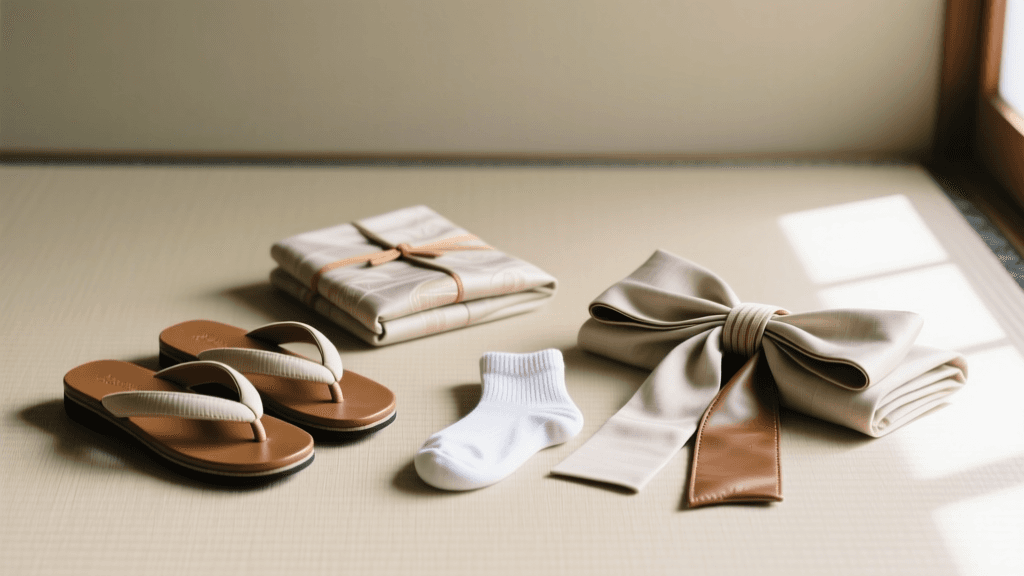
This guide delves into the essential, yet often overlooked, accessories that complete the kimono silhouette: zori (footwear), tabi (split-toe socks), and the vital obi accessories (obijime and obiage). Whether you are a vintage collector, a martial arts practitioner, or an enthusiast preparing for a traditional tea ceremony, understanding these elements is crucial for authentic and comfortable wear.
Zori and Geta: Footwear Fundamentals
Footwear in Japanese tradition is strictly divided based on formality and weather. While geta (wooden clogs) are generally reserved for casual wear, summer festivals, and yukata, zori are the flat, sandal-like shoes worn with formal and semi-formal kimono.
Sizing and Fit: The Golden Rule of Zori
Unlike Western shoes, zori are not meant to enclose the foot. The most common mistake beginners make is purchasing zori that are too large, attempting to match their exact foot length. In traditional Japanese styling, the correct fit requires the heel to extend slightly past the back edge of the zori sole.
- Measurement: Measure your foot from heel to toe in centimeters. If your foot is 24cm, you should look for a zori sole that is approximately 22.5cm to 23cm long.
- The Overhang: Your heel should hang off the back of the zori by about 1 to 2 centimeters. This prevents the heel from catching on the hem of the kimono while walking and maintains a graceful posture.
- The Hanao (Thong): The V-shaped strap, or hanao, should grip the foot securely without forcing the toes to curl. If the hanao is too loose, a cobbler can tighten or replace it, typically costing between $30 and $50 USD.
Materials and Formality
The material of the zori dictates its appropriate setting. For the highest level of formality (such as wearing a kurotomesode), zori are covered in gold or silver brocade, often paired with a matching clutch bag. For semi-formal wear like a houmongi, enamel or high-quality leather zori in muted tones are preferred. Casual komon kimono can be paired with vinyl, cloth, or even tatami-faced zori. As noted by encyclopedic records at Britannica, the evolution of these materials reflects both historical sumptuary laws and modern adaptations for everyday durability.
Tabi Socks: Sizing, Selection, and Kohaze
Tabi are the traditional split-toe socks that separate the big toe from the other four toes, allowing the wearer to grip the hanao of the zori. While they may look simple, selecting the right tabi involves understanding fabric stretch, clasp counts, and color rules.
Fabric Types and Sizing
- Cotton (Kohaku): Traditional white cotton tabi have zero stretch. They are required for formal events and tea ceremonies. Because they do not stretch, you must buy your exact foot measurement in centimeters (e.g., 23.0cm, 24.5cm). They are fastened at the ankle using metal clasps called kohaze.
- Stretch Fabrics (Shima): Made from polyester or cotton blends, these are pulled on like regular socks. They are highly recommended for beginners, casual wear, and long days of walking, as they reduce friction and blisters.
The Kohaze (Clasps) System
Formal cotton tabi feature a row of metal clasps on the inner ankle. The number of clasps indicates formality:
- 5 Kohaze: The standard for formal wear. The higher ankle coverage provides a sleek, unbroken line from the kimono hem to the footwear.
- 4 Kohaze: Slightly more casual, often worn with everyday kimono or by men.
According to traditional culture guides like Japan Guide, white tabi are an absolute necessity for formal occasions, while patterned or colored tabi are strictly reserved for casual, fashionable outings.
Obi Accessories: Obijime and Obiage
The obi sash is secured and decorated using two vital accessories: the obijime (a decorative braided cord) and the obiage (a silk sash peeking out from the top of the obi). These items are the "jewelry" of the kimono ensemble and offer the most freedom for personal expression.
Obijime (The Cord)
The obijime is tied over the center of the obi knot. It serves a practical purpose—securing complex obi knots like the otaiko—and an aesthetic one. Obijime are categorized by their braiding style and thickness. A thick, round, multi-colored silk cord is appropriate for festive, semi-formal wear, while a flat, subtle, metallic-threaded cord is reserved for solemn, highly formal events like weddings or funerals.
Obiage (The Sash)
The obiage is a long piece of crepe silk used to hide the internal ties of the obi knot. Only a small sliver (about 1 to 2 centimeters) should be visible above the obi. For younger, unmarried women, brighter colors and intricate shibori (tie-dye) patterns are favored. For mature women, the visible portion is kept minimal, often in subdued pastel or metallic tones.
Styling Tip: To create a cohesive look, try to match a subtle color in your obijime to the secondary color of your kimono, or coordinate the metallic threads of your obijime with the hardware on your zori and handbag.
Walking in Zori: The Suriashi Technique
Wearing zori requires a complete adjustment to your natural gait. Because the kimono restricts the stride and the zori are backless, taking long, heel-striking steps will cause the shoes to clack loudly and the kimono hem to tangle. The traditional method of walking is called suriashi (sliding feet).
- Posture: Keep your back straight, shoulders relaxed, and chin slightly tucked.
- The Glide: Do not lift your feet high off the ground. Slide the soles of the zori along the floor, keeping them relatively parallel.
- Inner Thighs: Engage your inner thigh muscles to keep your knees close together. This prevents the kimono from falling open and maintains an elegant, narrow silhouette.
Formality Coordination Chart
Use the following matrix to ensure your accessories match the formality of your kimono.
| Kimono Type | Formality Level | Zori Material | Tabi Style | Obijime Type |
|---|---|---|---|---|
| Kurotomesode | Highest (Formal) | Gold/Silver Brocade | White Cotton (5 kohaze) | Flat, subtle metallic |
| Houmongi | High (Semi-Formal) | Enamel / Brocade | White Cotton (4-5 kohaze) | Round silk, elegant |
| Komon | Casual (Everyday) | Leather / Vinyl / Tatami | White or Colored Stretch | Cotton, playful colors |
| Yukata | Summer / Festival | Barefoot in Wooden Geta | No Tabi (or patterned) | None (or heko obi) |
Care and Maintenance of Accessories
Proper care extends the life of these often-expensive accessories, particularly those made from natural fibers and delicate silks.
Caring for Zori
- Airing Out: After wearing, allow your zori to air dry in a shaded, well-ventilated area. Never place them in direct sunlight, as UV rays will yellow the enamel and crack the leather.
- Storage: Store zori in their original cloth bags or wrapped in acid-free tissue paper. For tatami-faced zori, place a small silica gel packet nearby to prevent mold in humid climates.
- Hanao Maintenance: If the velvet or fabric covering the hanao begins to fray, take the zori to a specialist before the inner core snaps. Replacing the thong is a standard repair that saves the entire shoe.
Caring for Tabi and Obi Accessories
- Washing Tabi: Cotton tabi can be hand-washed in cold water with a mild, neutral detergent. Gently squeeze out the water and reshape them while damp. Never put them in a tumble dryer, as the heat will warp the metal kohaze clasps and shrink the cotton.
- Storing Obijime: Always untie your obijime after wearing. If left tied, the silk fibers will permanently crease and weaken. Store them loosely coiled in a drawer lined with washi paper to protect against moisture and moths.
Conclusion
Mastering kimono accessories is a journey into the meticulous details of Japanese aesthetics. By understanding the precise fit of zori, the structural importance of tabi, and the decorative harmony of the obijime, you elevate your kimono dressing from merely wearing a costume to embodying a living cultural tradition. Whether you are sourcing vintage pieces from an antique market or investing in modern, handcrafted footwear, these guidelines will ensure your ensemble is both authentic and impeccably styled.