Kimono Dress Codes: Etiquette Rules for Formal Occasions
Introduction to Kimono Formality and TPO
Navigating the world of traditional Japanese clothing requires more than just an appreciation for beautiful textiles; it demands a deep understanding of cultural etiquette. In Japan, the concept of TPO—Time, Place, and Occasion—is the foundational pillar of kimono dress codes. Unlike Western formalwear, where a tuxedo or an evening gown can be worn to almost any black-tie event regardless of the wearer's age or marital status, the kimono is governed by a strict, nuanced hierarchy. According to the Japan Guide, selecting the appropriate kimono involves considering the season, the formality of the event, and the social standing of the wearer.
For foreign visitors and cultural enthusiasts attending formal events such as tea ceremonies, weddings, or graduation ceremonies, understanding these rules is a sign of deep respect for Japanese heritage. The Victoria and Albert Museum notes that the kimono is not merely a garment but a complex communicative tool that signals the wearer's awareness of social harmony and seasonal transitions. This guide will break down the actionable rules, formality tiers, and dressing protocols you need to know.
The Hierarchy of Formal Kimono
The formality of a kimono is determined by several factors: the fabric type, the pattern placement, the number of family crests (kamon), and the color. Below is a comprehensive comparison chart detailing the primary types of formal kimono, their target demographic, and the average cost to rent them in major cities like Kyoto or Tokyo.
| Kimono Type | Formality Level | Target Wearer | Appropriate Occasions | Est. Rental Cost (USD) |
|---|---|---|---|---|
| Kurotomesode | Highest (5 Crests) | Married Women | Weddings (close family) | $120 - $180 |
| Irotomesode | High (3-5 Crests) | Married / Unmarried | Weddings, Award Ceremonies | $100 - $150 |
| Furisode | High (No Crests) | Unmarried Women | Coming of Age, Weddings | $90 - $160 |
| Houmongi | Semi-Formal | Married / Unmarried | Tea Ceremonies, Galas | $70 - $110 |
| Tsukesage | Semi-Formal | Married / Unmarried | Parties, Graduations | $60 - $90 |
| Komon | Casual | Anyone | Dining out, Sightseeing | $30 - $50 |
Understanding the Kamon (Family Crests)
The number of kamon dyed into the silk dictates the garment's ceiling of formality. An Itsutsu-mon (five-crest) kimono features crests on the back of the neck, both sleeves, and both sides of the chest. This is strictly reserved for the most formal events. A Mitsu-mon (three-crest) garment is suitable for semi-formal gatherings, while a Hitotsu-mon (one-crest) is worn for lighter formal occasions.
Essential Etiquette Rules for Wearing Kimono
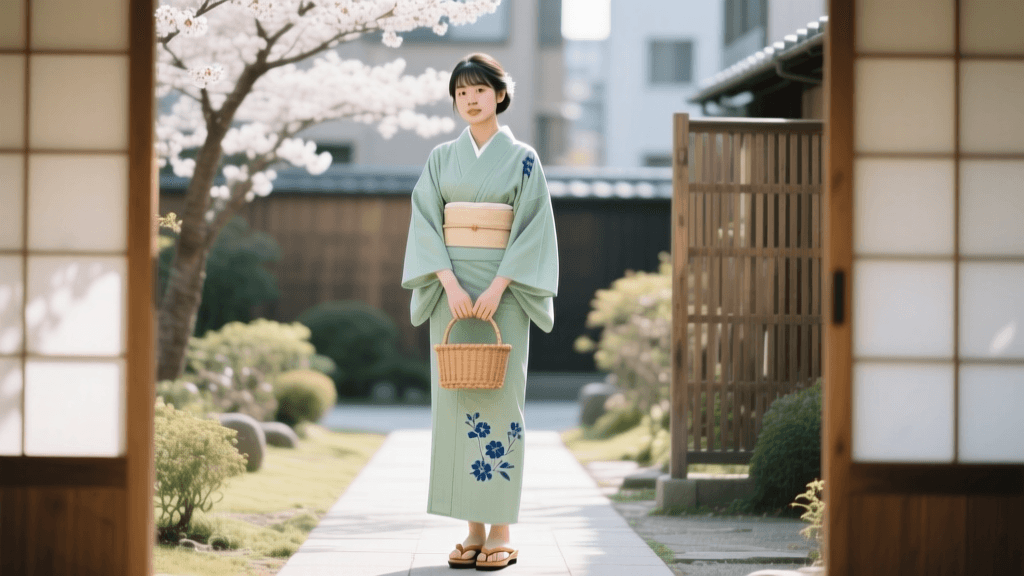
Wearing a kimono correctly is an art form known as kitsuke. Even the most expensive, formal kimono will be considered a severe faux pas if the foundational dressing rules are violated.
1. Left Over Right (Migimae)
This is the most critical rule in Japanese clothing etiquette. The left panel of the kimono must always wrap over the right panel. Wrapping the right side over the left is strictly reserved for dressing the deceased for burial (shozoku). Doing so in daily life is considered highly inauspicious and offensive.
2. The Collar Gap (Eri-nuki)
For women, the collar should not sit flush against the back of the neck. A traditional and elegant aesthetic requires pulling the collar back to expose the nape of the neck. The ideal gap is roughly the size of a closed fist. This subtle exposure is considered deeply alluring and elegant in Japanese culture. Conversely, men's kimono collars are worn snug and high against the neck.
3. The Ohashori (Waist Fold)
Women's kimono are tailored to be longer than the wearer's height. The excess fabric is folded at the waist to create a horizontal tuck known as the ohashori. This fold must be perfectly level, sit just below the obi (sash), and be completely hidden by the obi's lower edge. A visible, messy, or missing ohashori instantly downgrades the formality of the outfit and signals poor dressing skills.
Obi Knots and Accessory Protocols
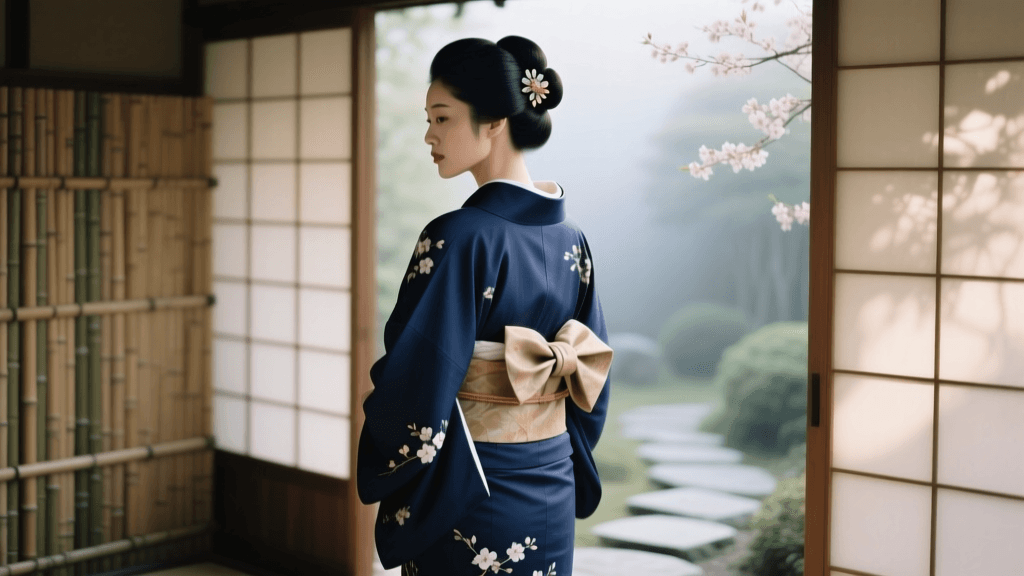
The obi is not just a belt; it is a centerpiece of formality. The type of obi and the knot used must match the kimono's rank.
- Maru / Fukuro Obi: Highly formal, heavily brocaded belts worn with Tomesode and Furisode.
- Nagoya Obi: Semi-formal to casual, pre-folded belts worn with Houmongi or Komon.
- Taiko Musubi (Drum Knot): The standard, elegant knot for married women and older women attending formal events. It sits flat and resembles a taiko drum.
- Fukura-suzume / Tateya: Elaborate, floral-like knots tied for young, unmarried women wearing Furisode. These knots are highly decorative and signify youth and celebration.
Footwear: Zori vs. Geta
Footwear is strictly categorized by formality and weather. Zori are flat, woven or vinyl sandals worn with formal kimono. They must always be paired with Tabi (split-toe socks), which should be pristine white for any formal occasion. Geta are elevated wooden sandals. While beautiful, they are inherently casual and are paired with yukata or casual komon. Wearing geta with a formal Houmongi or Tomesode is a major breach of etiquette.
Seasonal Rules and Fabric Choices
Japanese culture places immense importance on the changing of the seasons, and kimono fabrics must reflect the current month. The Kyoto City Official Tourism Guide emphasizes that wearing the wrong seasonal fabric is as noticeable as wearing a heavy wool coat in the middle of summer.
- October to May (Awase): Lined silk kimono designed for cooler weather. The lining provides warmth and structure.
- June and September (Hitoe): Unlined silk kimono. These offer breathability during the transitional, humid months of early summer and early autumn.
- July and August (Ro and Sha): Sheer, woven silk garments that are highly transparent and breathable. These are worn only during the peak of summer. A sheer ro kimono requires specialized, lightweight undergarments to maintain modesty.
Pro Tip: Seasonal motifs must also anticipate the season. Cherry blossoms should be worn in late March, just before they bloom. Wearing a cherry blossom motif after the petals have fallen is considered 'late' and slightly out of touch with nature's rhythm.
Actionable Guide: Attending a Japanese Wedding
If you are invited to a traditional Japanese wedding as a guest, navigating the dress code can feel daunting. Here is a step-by-step checklist to ensure your attire is respectful and appropriate.
- Avoid Pure White: Pure white is exclusively reserved for the bride, who traditionally wears a shiromuku. Never wear a white kimono or a white obi to a wedding.
- Select a Houmongi or Tsukesage: As a guest, a semi-formal Houmongi (visiting kimono) with a subtle, elegant pattern is the safest and most respectful choice. Avoid Kurotomesode, as that is reserved for the mothers of the bride and groom.
- Choose Auspicious Colors: Opt for colors like soft pastels, deep purples, or rich greens. Avoid overly flashy, neon colors or stark black (unless it is a highly specific, crested formal garment, but even then, black can be associated with mourning).
- Bag Etiquette: Traditional formal etiquette dictates that animal leather should not be brought into sacred spaces like Shinto shrines or Buddhist temples where weddings often occur. Carry a small, brocade zogan bag instead of a leather purse.
- Timing and Rental: If you are renting a kimono in Kyoto or Tokyo, book your appointment at least 45 days in advance, especially during the peak wedding seasons of May and October. Expect to spend around $100 to $150 for a full formal rental package, which should include the kimono, obi, tabi, zori, and professional dressing assistance.
Conclusion
Mastering kimono etiquette is a lifelong journey, but understanding the foundational rules of TPO, the hierarchy of garments, and the strict protocols of dressing will allow you to participate in Japanese formal occasions with confidence and respect. Whether you are admiring the artistry of a museum piece or stepping into a rented Houmongi for a tea ceremony, honoring these traditions ensures that the profound cultural legacy of the kimono continues to thrive in the modern era.