The Hanfu Revival: A Practical Guide to Your First Outfit
The Rise of the Hanfu Revival Movement
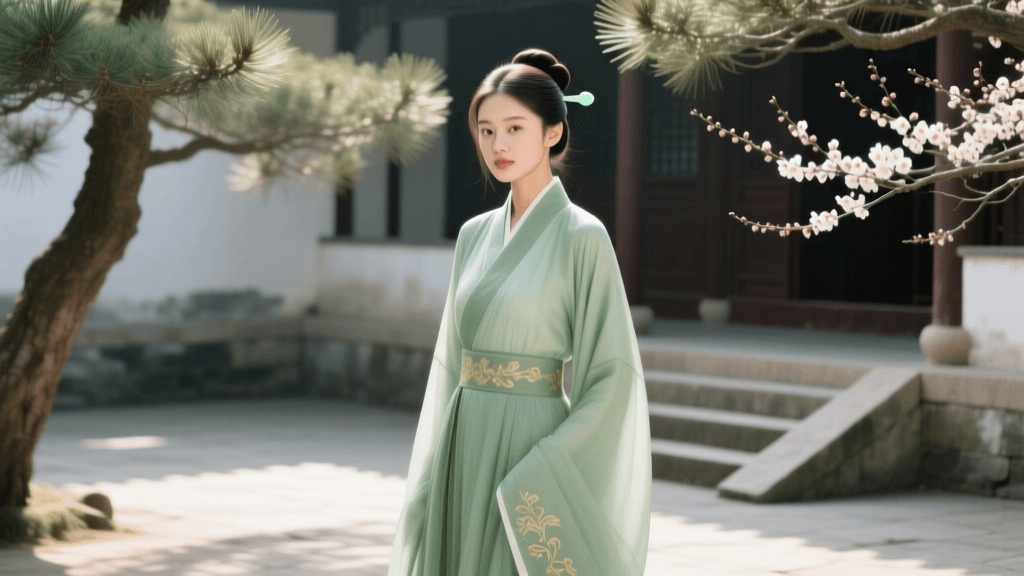
Over the past two decades, the Hanfu movement (汉服运动) has transformed from a niche internet forum hobby into a multi-billion-dollar cultural phenomenon. Driven primarily by Gen Z and Millennials, this revival is not merely about cosplay or historical reenactment; it is a profound reclamation of Han Chinese identity, aesthetics, and traditional craftsmanship. According to the BBC, millions of young Chinese people are now wearing Hanfu in daily life, at universities, and in corporate offices, turning ancient sartorial traditions into modern streetwear.
For newcomers, the sheer volume of terminology, historical periods, and purchasing platforms can be overwhelming. This guide provides actionable, practical advice to help you navigate the Hanfu revival, select your first authentic outfit, and participate respectfully in this vibrant cultural renaissance.
Choosing Your Era: Tang, Song, or Ming?
Hanfu encompasses thousands of years of clothing history, but the modern revival largely focuses on three distinct dynastic styles. Each offers a unique silhouette, fabric requirement, and price point. Below is a comparison chart to help you decide which era aligns with your climate, body type, and budget.
| Dynasty | Silhouette & Vibe | Key Garments | Best Climate | Avg. Cost (USD) |
|---|---|---|---|---|
| Tang (618–907) | Voluminous, glamorous, high-waisted, bold patterns. | Qixiong Ruqun (Chest-high skirt), Banbi (Half-sleeve jacket). | Warm / Summer | $40 - $90 |
| Song (960–1279) | Slender, elegant, minimalist, layered, intellectual. | Beizi (Long open-front coat), Songku (Pleated trousers). | Mild / Spring-Fall | $50 - $120 |
| Ming (1368–1644) | Structured, regal, heavy fabrics, intricate weaving. | Aoqun (Lined jacket and Mamian skirt), Pifeng (Cape). | Cold / Winter | $80 - $250+ |
Tang Dynasty Hanfu: Bold and Romantic
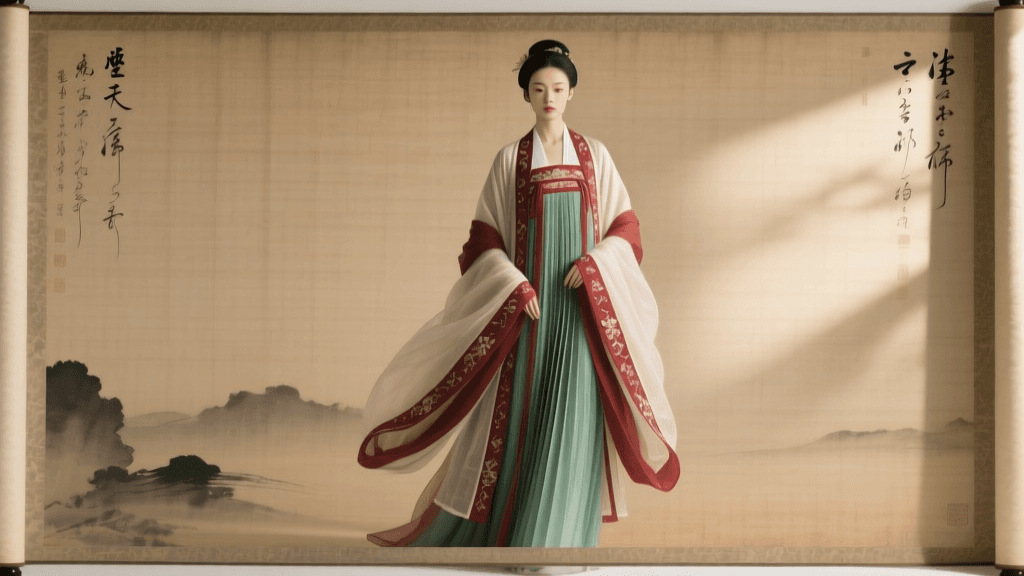
The Tang Dynasty represents a cosmopolitan, prosperous era. The iconic Qixiong Ruqun (chest-high skirt) is incredibly flattering, as it cinches above the natural waist, elongating the legs. When buying a Tang-style set, look for lightweight chiffons, silks, or high-quality polyesters that drape well. Expect to spend around $50 for a reliable, entry-level set featuring printed floral motifs.
Song Dynasty Hanfu: Understated Elegance
Song aesthetics favor subtlety, making it the most practical for modern daily wear and office environments. The Beizi (a long, open-front coat) paired with a pleated skirt or wide-leg trousers creates a sleek, vertical line. Song Hanfu often utilizes textured cotton-linen blends or matte jacquards. As noted by the South China Morning Post, the Song dynasty's minimalist appeal has made it a favorite among young professionals seeking a sophisticated, understated look.
Ming Dynasty Hanfu: Regal and Structured
Ming Hanfu is characterized by its heavy, opulent fabrics and the famous Mamianqun (horse-face skirt). The skirt features flat front and back panels with deep side pleats, often adorned with woven gold threads (Zhuanghua). The upper garment, the Ao, is typically lined and features distinctive pipa-shaped sleeves. Ming styles are perfect for autumn and winter, but high-quality brocades and silks will push your budget well over $150.
The Golden Rules of Authenticity
The Hanfu community draws a strict line between authentic Hanfu (汉服) and costume-grade clothing (影楼装 or 'studio wear'). To ensure you are buying a culturally respected garment, follow these rules:
- Avoid 'Costume' Keywords: When shopping on platforms like Taobao or AliExpress, avoid searching for '古装' (ancient costume) or '仙女服' (fairy dress). These terms usually yield cheap, inaccurate Halloween-style costumes.
- Look for 'Original' and 'Restored': Search for '原创汉服' (Original Hanfu) or '复原款' (Restored/Historical replica). These tags indicate that the brand has researched historical artifacts and tomb murals to recreate accurate patterns.
- Check the Collar: The most critical rule of Hanfu is Jiaoling Youren (交领右衽). The left side of the collar must always cross over the right side, forming a 'y' shape. Crossing right over left is traditionally reserved for the deceased and is considered highly offensive in traditional culture.
Practical Sizing and Measurements
Unlike Western tailoring, which relies on darts and curved seams to hug the body, traditional Hanfu utilizes flat pattern cutting. Garments are constructed from straight panels of fabric, meaning the fit is dictated by your arm span and how you tie the garment, rather than complex bodice shaping.
Before ordering, take the following three measurements using a soft measuring tape:
- Chest/Waist Circumference: Because Hanfu wraps and overlaps, you need to add at least 4 to 6 inches (10-15 cm) to your actual chest measurement to ensure the collar crosses over comfortably without gaping.
- Skirt Length: Measure from your natural waist (or chest, for Tang styles) down to your ankle bone. Standard Hanfu skirts are usually 100cm to 105cm long. If you are under 5'3" (160cm), you may need to seek out brands offering 'petite' (小个子) custom lengths to avoid tripping.
- Arm Span (通袖长 - Tongxiu Length): This is crucial for Ming Dynasty jackets. Measure from the tip of your left middle finger, across your back, to the tip of your right middle finger. Traditional Ming sleeves often extend past the hands (up to 200cm+). If you need to use your hands for modern tasks like typing or driving, look for 'daily style' (日常款) Hanfu with shortened, tapered sleeves.
Where and How to Buy Your First Set
While international retailers exist, the heart of the Hanfu market is on Chinese e-commerce platforms like Taobao. According to market analyses covered by the Global Times, the Hanfu industry has exploded, with thousands of independent designers operating online storefronts.
Budget Breakdown:
- Entry-Level ($40 - $70 USD): Brands like Shisan Yu (十三余) or Chuan Dai offer accessible, machine-washable polyester blends. These are excellent for beginners, festivals, and travel.
- Mid-Tier ($80 - $150 USD): Brands like Ming Hua Tang (明华堂) or Ting Yue Ju offer superior tailoring, cotton-linen blends, and woven jacquards. These pieces bridge the gap between historical accuracy and daily comfort.
- High-End ($200 - $1000+ USD): For authentic mulberry silk, real gold-leaf brocade, and hand-embroidery, expect to pay a premium and wait 30 to 60 days for pre-order fulfillment, as these are often made-to-measure.
Shipping Tip: Most Taobao sellers do not ship internationally. You will need to use a package forwarding service (like Superbuy or Wegobuy) to ship your haul to North America, Europe, or elsewhere. Factor in an additional 20-30% of your garment cost for international freight.
Essential Accessories and Styling
A Hanfu outfit is incomplete without its accompanying accessories. To elevate your look from 'wearing a dress' to 'practicing a tradition,' invest in the following:
- Hair Accessories: Avoid modern plastic claws. Invest in metal hairpins (簪子), jade-pressed combs, or silk ribbons. A simple wooden hair stick paired with a braided updo instantly authenticates the silhouette.
- Footwear: Traditional embroidered shoes (绣花鞋) with flat cloth soles are ideal. For modern comfort, many enthusiasts wear plain white or black leather loafers, or minimalist canvas shoes that mimic the sleek profile of traditional footwear.
- Props and Layers: Carry a folding paper fan, a bamboo parasol, or a woven rattan bag. In colder months, layer with a traditional斗篷 (Doupeng - a hooded winter cloak) rather than a modern denim jacket to maintain the aesthetic integrity.
Joining the Community and Attending Events
The Hanfu revival is deeply communal. Across the globe, university clubs and cultural associations host 'Hanfu outings' (汉服出行) to museums, botanical gardens, and historical sites. If you wish to immerse yourself fully, consider attending major events like the Xitang Hanfu Culture Week in Zhejiang Province, China, which draws hundreds of thousands of enthusiasts annually for parades, archery, and traditional tea ceremonies.
When wearing Hanfu in public, remember that you are acting as an ambassador for traditional Asian culture. Maintain good posture, as the flat-cut garments drape best when the shoulders are pulled back and the spine is straight. Embrace the slower pace of life that the clothing encourages—the sweeping sleeves and tied skirts naturally prompt a more deliberate, graceful way of moving through the world.
By understanding the history, respecting the tailoring rules, and investing in quality craftsmanship, your first Hanfu purchase will not just be a clothing acquisition, but a meaningful step into a living, breathing cultural renaissance.