A Parent's Guide to Children's Traditional Chinese Clothing
The Renaissance of Children's Traditional Chinese Clothing
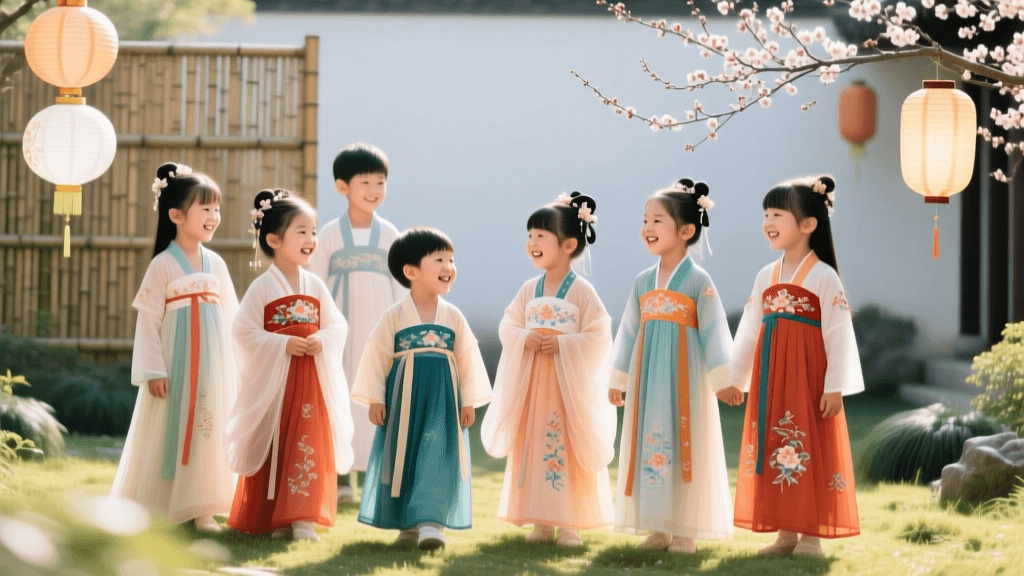
Over the past decade, the revival of traditional Chinese clothing has swept across the globe, but it is no longer just an adult fashion movement. Parents are increasingly dressing their children in Hanfu (traditional Han ethnic clothing) and Tangzhuang (Tang-style suits) to reconnect with their cultural heritage. According to industry analyses covered by Sixth Tone, the Hanfu market has expanded exponentially, with a significant and rapidly growing sub-sector dedicated to children's apparel. Furthermore, reports from the Global Times highlight that during major festivals like the Lunar New Year, sales of children's traditional garments frequently sell out, reflecting a deep-seated desire among modern families to pass down cultural aesthetics to the next generation.
However, dressing active, growing children in historical garments presents unique challenges. From navigating height-based sizing charts to selecting breathable fabrics and ensuring safety with traditional fastenings, buying children's traditional Chinese clothing requires a strategic approach. This comprehensive guide provides parents with actionable advice, styling tips, and care instructions for outfitting little ones in authentic, comfortable, and safe traditional attire.
Choosing the Right Style for Your Child's Age
Not all traditional garments are suited for every age group. Mobility, bathroom independence, and comfort should dictate your style choices.
Tangzhuang (Tang Suit) for Toddlers (Ages 1-4)
The Tangzhuang is a modern adaptation of the Qing dynasty riding jacket, characterized by its mandarin collar and straight cut. For toddlers, this is the most practical choice. It functions much like a standard button-up shirt or light jacket, allowing for unrestricted crawling, walking, and playing. Look for Tangzhuang with hidden snap buttons behind the decorative Pankou (frog knots) to make diaper changes and quick outfit changes manageable.
Ruqun (Hanfu) for School-Aged Kids (Ages 5-10)
The Ruqun consists of a wrap-top shirt (ru) and a flowing skirt (qun). For children aged five and up who have mastered dressing themselves, the cross-collar Jiaoling Youren (right-over-left lapel) style is an excellent introduction to Hanfu. It is elegant, historically accurate, and the adjustable waist ties allow for a customized fit that accommodates growth spurts.
Mamianqun (Horse-Face Skirt) for Tweens (Ages 10+)
The Mamianqun is a wrap skirt featuring flat front and back panels with pleated sides. Originally popularized in the Ming Dynasty, it has become a viral staple in modern New Chinese Style (Xin Zhongshi) fashion. For tweens and teens, the Mamianqun is ideal because it pairs beautifully with modern school uniform blouses or simple knitwear, bridging the gap between historical dress and contemporary daily wear.
Sizing and Measurements: The Height-Based System
Unlike Western children's clothing, which is primarily categorized by age, traditional Chinese garment manufacturers rely heavily on a height-based metric system measured in centimeters. Because Hanfu and Tangzhuang feature looser, more forgiving silhouettes, the primary measurement you need is your child's total height. Always measure your child in bare feet against a flat wall before ordering.
| Approximate Age | Child's Height (cm) | Standard CN Size Label | Garment Type Recommendation |
|---|---|---|---|
| 1 - 2 Years | 80 - 90 cm | 90 | One-piece Tangzhuang rompers, split-crotch festival pants |
| 3 - 4 Years | 95 - 105 cm | 100 / 110 | Two-piece Tangzhuang sets, simple cross-collar tops |
| 5 - 6 Years | 110 - 120 cm | 120 | Beizi (light jackets) over cotton dresses, short Ruqun |
| 7 - 9 Years | 125 - 135 cm | 130 / 140 | Standard Ruqun, Yuanlingpao (round-collar robes) |
| 10 - 12 Years | 140 - 155 cm | 150 / 160 | Mamianqun, full-length ceremonial Hanfu |
Pro-Tip for Parents: If your child is between sizes (e.g., 115 cm tall), always size up to the next increment (120). Traditional Chinese silhouettes are designed to drape; a slightly longer sleeve or skirt hem maintains the historical elegance, whereas a garment that is too short will look ill-fitted and restrict movement.
Occasion-Based Styling Guide
Matching the garment to the event ensures your child remains comfortable while looking culturally appropriate.
- Lunar New Year & Spring Festival: Opt for red or gold Tangzhuang sets featuring auspicious motifs like koi fish, peonies, or the zodiac animal of the year. Brocade fabrics add a festive, luxurious texture that photographs beautifully for family portraits.
- Mid-Autumn Festival: Choose lighter, ethereal Hanfu in pastel blues, whites, or jade greens. A Beizi (open-front jacket) layered over a simple cotton dress mimics the flowing aesthetics of moon goddesses and is perfect for evening lantern viewing.
- Weddings (as Flower Girls/Ring Bearers): Avoid pure white or stark black. Dress children in soft pinks, warm yellows, or mint greens. A Ming-dynasty style Aoqun (lined jacket and skirt) offers a formal, structured look that stands up well to the rigors of a long ceremony.
- Daily Wear & Travel: Embrace the "New Chinese Style" (Xin Zhongshi). Pair a modern, simplified Mandarin-collar cotton shirt with denim jeans, or wear a cotton-blend Mamianqun with a plain white t-shirt. This reduces the "costume" feel and integrates heritage into everyday life.
Fabric Selection and Cost Breakdown
Children are notoriously hard on their clothes. While adult Hanfu is often made from delicate mulberry silk, children's garments require a balance of aesthetics, durability, and skin-safety.
1. Cotton and Linen Blends (Daily Wear)
Cost: $15 - $35 USD
Pros: Highly breathable, machine washable, hypoallergenic, and soft against sensitive skin. Linen-cotton blends offer a beautiful historical drape without the stiffness of pure synthetics.
Cons: Wrinkles easily; lacks the festive sheen required for major holidays.
2. Jacquard and Poly-Brocade (Festivals)
Cost: $30 - $65 USD
Pros: Features intricate woven patterns (like clouds and lotuses) that look incredibly rich on camera. Highly durable and resists wrinkling.
Cons: Can be stiff and less breathable. Best reserved for cooler weather or air-conditioned indoor events to prevent overheating.
3. Silk and Satin (Special Ceremonies)
Cost: $70 - $150+ USD
Pros: Unmatched luxury, historical accuracy, and beautiful movement.
Cons: Requires intensive care, stains easily, and is easily snagged by active play. Reserve strictly for formal, supervised occasions.
Traditional Accessories and Crucial Safety Tips
Accessories complete the traditional look, but they must be vetted for child safety.
- Xutouxie (Tiger Head Shoes): These brightly colored, hand-embroidered shoes feature a tiger face on the toe. In Chinese folklore, the tiger protects children from evil spirits and disease. They are excellent for toddlers learning to walk, as the wide, flat sole provides great stability.
- Changmingsuo (Longevity Locks): Often worn as necklaces during the Lunar New Year or first birthdays, these metal or jade pendants symbolize locking the child's soul to the mortal world for a long life. Safety Warning: Ensure the cord is a breakaway safety clasp to prevent strangulation hazards during active play.
- Pankou (Frog Buttons): These intricate knotted buttons are a hallmark of Tangzhuang and Qipao. Safety Warning: For children under three, inspect these buttons regularly. If a knot becomes loose, it poses a severe choking hazard. Many modern manufacturers solve this by using Pankou purely as decoration, securing the garment underneath with hidden metal snaps.
Garment Care and Maintenance
Proper care ensures these garments can be passed down as family heirlooms or reused for younger siblings. When dealing with delicate fabrics, especially silks or heavily embroidered brocades, it is vital to follow expert conservation guidelines. The Victoria and Albert Museum recommends avoiding harsh alkaline detergents and direct sunlight when drying silk, as UV rays will rapidly degrade the protein fibers and cause irreversible yellowing.
Quick Care Rules for Parents:
- Cotton/Linen: Machine wash cold on a gentle cycle in a mesh laundry bag to protect the ties and embroidery. Tumble dry low or hang dry.
- Brocade/Jacquard: Hand wash in cool water with a pH-neutral baby shampoo. Never wring or twist the fabric; instead, roll it in a clean towel to absorb excess water before laying it flat to dry.
- Silk: Dry clean only, or spot clean with distilled water. Store in a cool, dark place wrapped in acid-free tissue paper—never in plastic bags, which trap moisture and encourage mildew.
Conclusion
Dressing children in traditional Chinese clothing is a beautiful way to foster cultural pride and create lasting family memories. By prioritizing height-based sizing, selecting age-appropriate styles like the Tangzhuang for toddlers and the Mamianqun for older kids, and remaining vigilant about accessory safety, parents can ensure their children look historically elegant while remaining comfortable enough to run, play, and explore. Whether for a vibrant Lunar New Year celebration or a subtle nod to heritage in daily life, the world of children's Hanfu and traditional dress offers endless possibilities for creative expression.