Shichi-Go-San and Seijin-shiki: Youth Kimono Traditions
The Cultural Significance of Youth Milestones in Japan
Japan’s lifecycle milestones are deeply intertwined with its textile heritage, serving as visual markers of growth, societal integration, and familial pride. Among the most visually striking of these traditions are Shichi-Go-San (the Seven-Five-Three festival) and Seijin-shiki (Coming of Age Day). These events are not merely photo opportunities; they are profound cultural rites of passage where traditional garments act as the primary medium of expression. According to the Metropolitan Museum of Art, the kimono serves not merely as clothing, but as a canvas for conveying social status, age, and seasonal awareness, making it the perfect vessel for celebrating youth and transition.
For parents navigating these milestones, or young adults preparing for their own ceremonies, understanding the specific garment requirements, historical context, and modern logistical realities of renting or purchasing these textiles is essential. This guide provides a comprehensive, actionable breakdown of children's and coming-of-age kimono traditions.
Shichi-Go-San: Children’s Kimono Traditions
Celebrated annually on November 15th (though often observed on the nearest weekend), Shichi-Go-San honors the growth and well-being of children at the ages of three, five, and seven. Historically, these ages marked critical survival milestones in an era of high infant mortality. Today, families visit Shinto shrines to pray for their children's continued health, dressed in highly specific, age-appropriate formalwear.
Age-Specific Garments and Symbolism
- Age Three (Kamioki): Both boys and girls celebrate the transition from having their heads shaved as infants to growing out their hair. Girls typically wear a vibrant, long-sleeved kimono paired with a hifu—a padded, sleeveless silk vest that ties at the front. The hifu is designed to hide the obi (sash), as three-year-olds are too young for formal obi tying. Boys may wear a simple kimono with a hifu or a miniature haori (jacket).
- Age Five (Hakamagi): This milestone is exclusively for boys, marking the first time they wear a hakama (pleated trousers) and haori. The ensemble often features auspicious motifs like eagles, samurai helmets (kabuto), or treasure ships, symbolizing courage and prosperity.
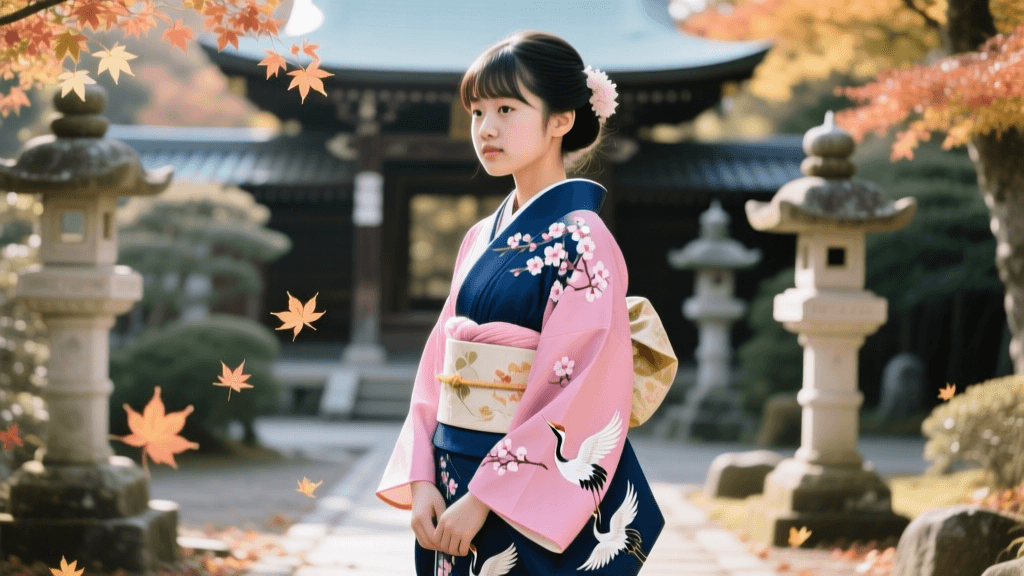
- Age Seven (Obitoki): Exclusive to girls, this ceremony marks the transition from using simple cords to tie their kimono to wearing a formal, adult-style fukuro obi. The seven-year-old’s kimono features yotsushin (four-panel) construction, allowing for the proper adjustment of the waist tuck (oki) to accommodate future growth.
Seijin-shiki: Young Adult Formalwear
Held on the second Monday of January, Seijin-shiki celebrates those who have reached the age of legal adulthood. It is important to note a recent legal shift: in April 2022, Japan’s Civil Code was revised, lowering the age of adulthood from 20 to 18. However, because 18-year-olds are typically in the midst of rigorous university entrance exams, many municipalities still hold ceremonies for 18, 19, and 20-year-olds, or schedule the event during the summer or winter breaks. Regardless of the exact age, the sartorial traditions remain fiercely protected.
The Furisode: Anatomy of a Coming-of-Age Kimono
For unmarried young women, the furisode (literally 'swinging sleeves') is the highest level of formalwear. As noted by Encyclopedia Britannica, the evolution of the kimono from the Heian period to the modern era reflects shifting societal norms, particularly regarding youth and unmarried women, with sleeve length acting as a primary indicator of marital availability and age.
There are three distinct categories of furisode, categorized by sleeve length:
- O-furisode (Large): Sleeves measure approximately 114 cm (45 inches). This is the most formal and dramatic style, heavily favored for Coming of Age Day and weddings.
- Chu-furisode (Medium): Sleeves measure around 100 cm (39 inches). A versatile option that balances formality with ease of movement.
- Ko-furisode (Small): Sleeves measure roughly 85 cm (33 inches). Often worn for graduation ceremonies (sotsugyoshiki) paired with a hakama.
'The motifs chosen for a furisode are never arbitrary. Cranes represent longevity, pine and plum signify resilience through winter, and cherry blossoms remind the wearer of the beautiful, fleeting nature of youth.'
Men’s Coming-of-Age Attire: Montsuki Hakama
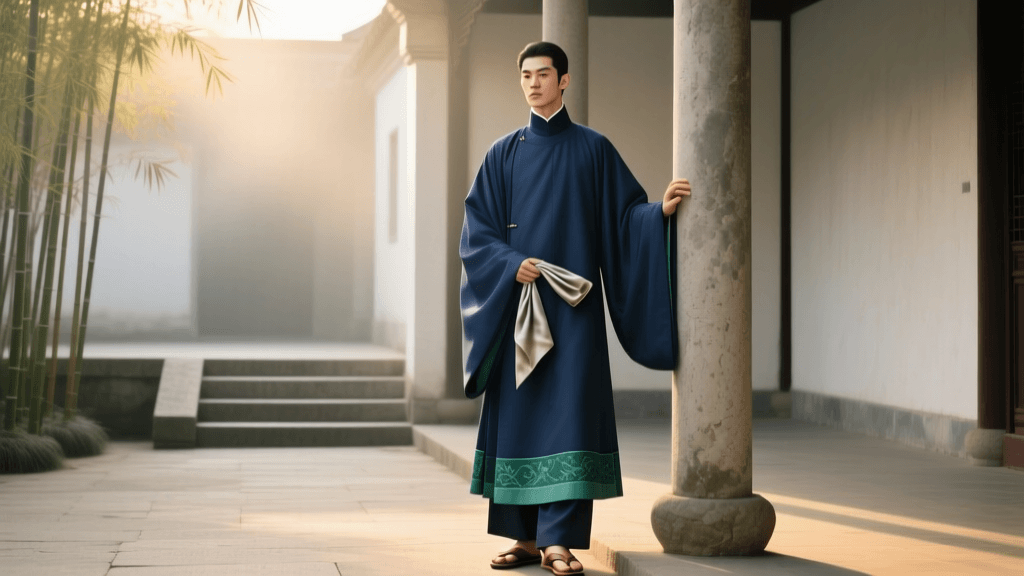
While many young men today opt for Western business suits, traditionalists choose the montsuki hakama ensemble. This consists of a black silk kimono adorned with five family crests (mon), a matching haori jacket, and a stiff, striped sendai-hira hakama. The ensemble is completed with white tabi socks and setta (leather-soled sandals). Preservation efforts documented by the Kyoto Costume Institute highlight the intricate tailoring and rigid structural elements required to ensure these formal menswear garments drape flawlessly and project an aura of mature responsibility.
Cost, Timing, and Preparation Matrix
Navigating the financial and logistical aspects of these ceremonies requires advance planning. The Japanese kimono rental and retail industry operates on strict seasonal timelines.
| Milestone | Typical Age | Primary Garment | Avg. Rental Cost (JPY) | Purchase Cost (JPY) | Booking Lead Time |
|---|---|---|---|---|---|
| Shichi-Go-San (3yo Girl) | 3 | Kimono + Hifu Vest | ¥10,000 - ¥25,000 | ¥50,000 - ¥150,000 | 3 - 6 Months |
| Shichi-Go-San (5yo Boy) | 5 | Hakama + Haori Set | ¥12,000 - ¥30,000 | ¥60,000 - ¥200,000 | 3 - 6 Months |
| Shichi-Go-San (7yo Girl) | 7 | Yotsushin Kimono + Fukuro Obi | ¥15,000 - ¥40,000 | ¥100,000 - ¥300,000 | 3 - 6 Months |
| Seijin-shiki (Women) | 18-20 | O-furisode Full Set | ¥80,000 - ¥250,000 | ¥300,000 - ¥1,000,000+ | 9 - 14 Months |
| Seijin-shiki (Men) | 18-20 | Montsuki Hakama Set | ¥30,000 - ¥60,000 | ¥150,000 - ¥500,000 | 3 - 6 Months |
Actionable Advice for Parents and Young Adults
1. Master the Measurement: The 'Yuki' Length
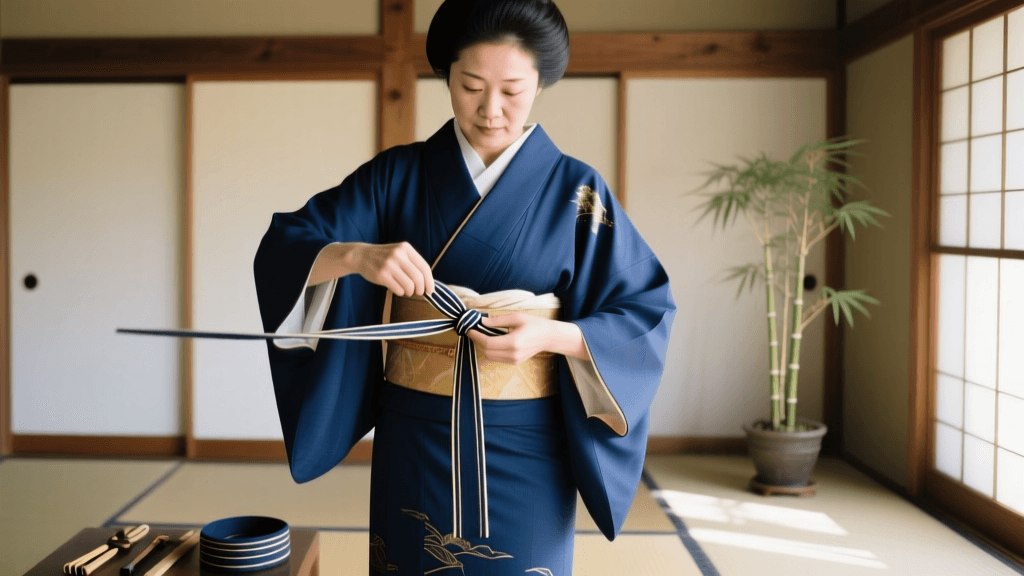
When purchasing or renting, the most critical measurement is not height, but yuki (the distance from the center of the back of the neck to the wrist). For a furisode, the yuki must be precise to ensure the heavy, swinging sleeves drape elegantly without swallowing the hands entirely. Always have a professional kitsuke (kimono dresser) take this measurement.
2. The Layering System (Kitsuke)
A furisode is never worn directly on the skin. The foundational layers are crucial for both silhouette and garment preservation:
- Hadajuban & Susoyoke: The cotton undergarments that absorb sweat and protect the expensive silk.
- Nagajuban: The secondary kimono, usually made of silk or synthetic washable silk, featuring a decorative collar (han-eri).
- Datejime & Koshihimo: The cotton and silk ties used to secure the layers and create the iconic cylindrical torso shape, which is essential for the proper presentation of the obi.
3. Footwear Sizing and Comfort
Traditional zori sandals should actually be slightly smaller than the foot. The heel should overhang the back edge of the sandal by about 1 to 2 centimeters. This prevents the hem of the kimono from being stepped on and soiled. For children participating in Shichi-Go-San, invest in padded tabi socks and consider bringing a pair of modern, comfortable slip-on shoes for walking between the shrine and the photography studio.
4. Post-Ceremony Care and Maintenance
Silk kimono are highly susceptible to humidity and invisible stains. After the ceremony, do not attempt to spot-clean the garments. Take them to a specialized kimono cleaner for a process called maru-arai (full garment washing using specialized solvents) or shiminuki (targeted stain removal). If storing a purchased furisode for future use (such as a wedding), ensure it is wrapped in acid-free tatou-shi paper and stored in a cedar chest (tansu) with desiccants to prevent mold and yellowing.
Conclusion
The traditions of Shichi-Go-San and Seijin-shiki are testaments to the enduring power of Japanese textile arts. Whether a child is taking their first steps in a shrine courtyard in a vibrant hifu, or a young adult is stepping into their future wrapped in the sweeping silk of an o-furisode, these garments bridge the gap between ancestral reverence and modern celebration. By understanding the specific requirements, costs, and care protocols associated with these milestones, families can ensure that these fleeting moments are preserved with the dignity and beauty they deserve.