Japanese Festival Happi Coats for Taiko and Bon Odori
The Heartbeat of Matsuri: Introduction to Festival Performance Wear
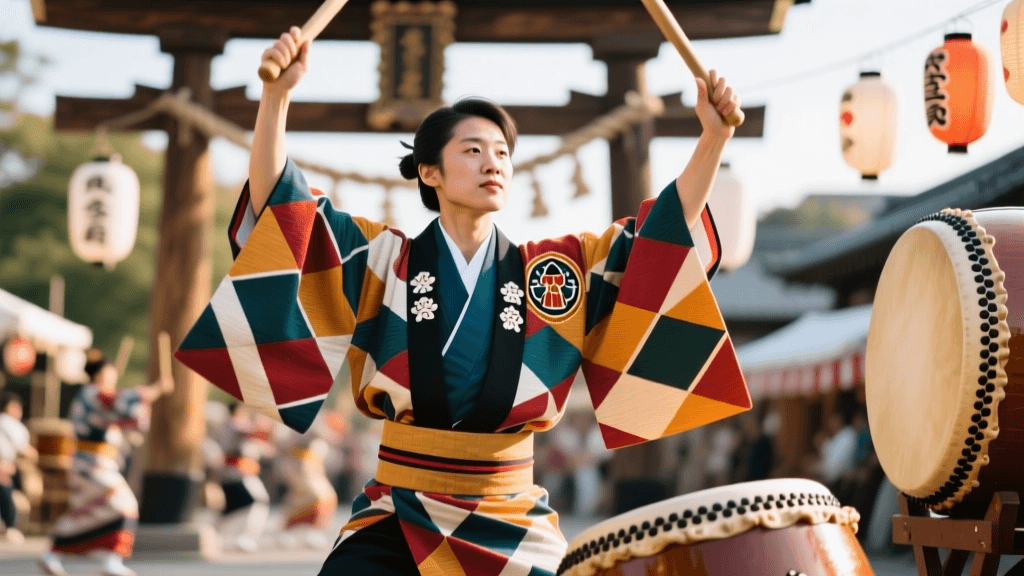
Japanese summer festivals, known as matsuri, are a vibrant explosion of sound, color, and communal movement. At the heart of these events are the performers: the thunderous Taiko drummers who command the rhythm of the streets, and the graceful Bon Odori dancers who honor ancestral spirits. For these performers, traditional garments are not merely costumes; they are highly engineered performance wear designed to withstand extreme physical exertion, summer heat, and dynamic choreography. While the elegant kimono and casual yukata often dominate global perceptions of Japanese fashion, the happi coat and the hanten jacket are the undisputed workhorses of the festival circuit. Understanding the nuances of these garments is essential for any performer, costume designer, or cultural enthusiast looking to participate authentically in Japanese festival traditions.
According to the Japan National Tourism Organization, summer matsuri season draws millions of locals and international visitors alike, making the visual uniformity of performance troupes a critical aspect of the cultural spectacle. The garments worn must reflect regional pride, often featuring specific indigo dye techniques, shrine crests (mon), and neighborhood association kanji. Furthermore, cultural publications like Nippon.com frequently document the evolution of these festival garments from Edo-period firemen and merchant coats to the modern, high-mobility performance wear seen at today's festivals.
Happi vs. Hanten vs. Yukata: Choosing the Right Garment
When outfitting a performance troupe or selecting a garment for personal festival participation, it is crucial to understand the functional differences between the three most common festival garments: the happi, the hanten, and the yukata. Each serves a distinct purpose based on the physical demands of the performance.
| Feature | Happi Coat | Hanten Jacket | Yukata |
|---|---|---|---|
| Lining | Unlined | Cotton or Padded | Unlined |
| Mobility | High (Wide sleeves, open front) | Medium (Thicker, restricts overhead reach) | Low/Medium (Narrow sleeves, long hem) |
| Primary Use | Taiko drumming, Mikoshi (shrine) carrying | Winter festivals, casual lounge, vendor wear | Bon Odori dancing, casual summer strolling |
| Length | Short to Mid-thigh (70cm - 90cm) | Hip-length (60cm - 80cm) | Ankle-length (120cm - 140cm) |
| Avg. Cost (USD) | $35 - $150 | $80 - $250 | $30 - $150 |
For high-intensity performances like Taiko drumming, the happi coat is mandatory. Its wide, open sleeves allow for full shoulder rotation, and its shorter hem prevents the fabric from catching on the taiko stand (dai) or the drummer's legs during wide stances. The yukata, while beautiful for Bon Odori dancing, is entirely unsuitable for Taiko due to its restrictive sleeve construction and tripping hazard.
Sizing and Fit: Engineering for High-Mobility Performances
Unlike Western clothing, which is sized by chest and waist measurements, traditional Japanese garments are sized primarily by yuki (the span from the center of the back neck, across the shoulder, and down to the wrist) and mitake (the back length). For performance wear, getting these measurements right is critical for both aesthetics and safety.
- Yuki (Sleeve Span): For Taiko performers, a standard yuki of 65cm to 70cm is ideal. This ensures the sleeves end around the mid-forearm or wrist, preventing the fabric from interfering with the grip on the thick oak bachi (drumsticks). As noted by the renowned Kodo Taiko Performing Arts Ensemble, the physical demands of Taiko require garments that allow for a full range of shoulder rotation and core expansion without fabric restriction.
- Mitake (Back Length): The ideal length for a performance happi is between 80cm and 90cm (approx. 31.5 to 35.5 inches). This length ensures the coat covers the lower back and kidneys when the performer bends forward into the kamae (ready stance), while remaining short enough to avoid tangling with the feet during rapid footwork.
- Kata-haba (Shoulder Width): Performance happi coats feature a dropped shoulder seam. This design is intentional, allowing the garment to drape loosely and accommodate the extreme upward extension of the arms required for striking the large O-daiko drums.
Sourcing, Materials, and Cost Breakdown
Authentic festival happi coats are constructed from specific types of cotton designed to handle heavy sweating and frequent washing. When sourcing garments for a troupe, pay close attention to the fabric weave.
Sashiko and Momoshio Cotton
The most durable and traditional fabric for performance happi is sashiko weave cotton. Sashiko features a reinforced, textured grid pattern that was originally developed to strengthen workwear and provide insulation. It is highly resistant to tearing and abrasion, making it perfect for performers who carry heavy wooden mikoshi (portable shrines) on their shoulders. Momoshio cotton is another excellent choice; it is a lightweight, highly breathable woven cotton that dries quickly, ideal for the sweltering heat of August festivals.
Cost and Customization
Off-the-rack, mass-produced happi coats made from polyester-cotton blends can be purchased for $35 to $60. However, for serious performance troupes, custom-dyed, 100% cotton sashiko happi coats are the standard. These typically cost between $120 and $250 per garment. If your troupe requires custom crest (mon) dyeing on the back and lapels, you must factor in an additional $30 to $50 per coat for the stencil and dye setup. Timing is crucial: Custom dye houses in Japan require a lead time of 6 to 8 weeks. If you are preparing for the peak summer matsuri season in July and August, orders must be placed by early May at the latest.
Styling the Complete Taiko and Bon Odori Ensemble
A happi coat is only one component of the performance ensemble. To achieve the authentic silhouette and functional support required for festival performances, several undergarments and accessories must be integrated.
The Hara-Maki (Belly Wrap)
Worn directly against the skin beneath the happi coat, the hara-maki is a wide, elasticized cotton belly band. While it visually grounds the costume, its primary purpose is functional. It provides crucial lower back support during the repetitive, torque-heavy motions of Taiko drumming. It also absorbs core sweat, preventing it from soaking through to the outer happi coat, and protects the stomach from sudden temperature drops when evening festival winds roll in.
Obi and Himo Tying Techniques
Unlike the wide, stiff silk obi worn with kimono, the happi coat is secured with a simple, soft cotton himo (cord) or a narrow, soft cotton obi. Performers typically use a simple bow knot (koma-musubi) tied at the front or side. The knot must be secure enough to keep the coat from flying open during vigorous movement, but loose enough to allow for deep diaphragmatic breathing, which is essential for the vocal calls (kiai) used in Taiko.
Footwear: Tabi and Jika-Tabi
Footwear is non-negotiable in festival performances. For Bon Odori dancers, white cotton split-toe tabi socks paired with straw sandals (zori) or bare feet are standard. For Taiko drummers, who require immense ground friction and stability, jika-tabi are mandatory. These are split-toe boots with rubber soles that allow the performer to grip the pavement or wooden stage while maintaining the traditional aesthetic. A standard pair of black, 12-tab (approx. 28cm) jika-tabi costs around $40 to $60 and should be fitted snugly to prevent blisters during long festival sets.
Care and Maintenance of Cotton Performance Garments
Authentic indigo-dyed (aizome) cotton happi coats require specific care to maintain their deep color and structural integrity. Indigo dye is notorious for bleeding, especially during the first few washes when it is exposed to the heavy perspiration of a live performance.
- Initial Setting: Before the first wear, soak the new happi coat in a basin of cold water mixed with one cup of white vinegar for 30 minutes. This helps set the indigo dye and reduces subsequent bleeding.
- Washing: Never machine wash or use hot water on a traditional cotton happi. Hand wash the garment in cold water using a mild, pH-neutral detergent. Avoid bleach or harsh stain removers, which will strip the indigo and weaken the cotton fibers.
- Drying: Do not tumble dry. Squeeze out excess water gently (do not wring, as this distorts the sashiko weave) and hang the coat to dry in a shaded, well-ventilated area. Direct sunlight will rapidly fade the indigo dye and cause the cotton to become brittle over time.
- Storage: Store the happi coat flat or folded along its natural seam lines. Avoid wire hangers, which will create permanent shoulder dimples and stretch the dropped shoulder seams out of shape.
Conclusion
The happi coat and hanten jacket are far more than festive novelties; they are the result of centuries of sartorial evolution, refined to meet the intense physical demands of Japanese festival performances. By understanding the precise measurements, material weaves, and styling components required for Taiko and Bon Odori, performers can ensure they are not only honoring the visual traditions of the matsuri but also equipping themselves with the functional gear necessary to deliver a powerful, uninhibited performance. Whether you are sourcing a single coat for a local cultural event or outfitting an entire Taiko ensemble for a major summer tour, prioritizing authentic construction and proper fit will elevate both the safety and the spectacle of the performance.