Gender-Neutral and Mens Hanfu: A Modern Styling Guide
The Renaissance of Masculine and Unisex Hanfu
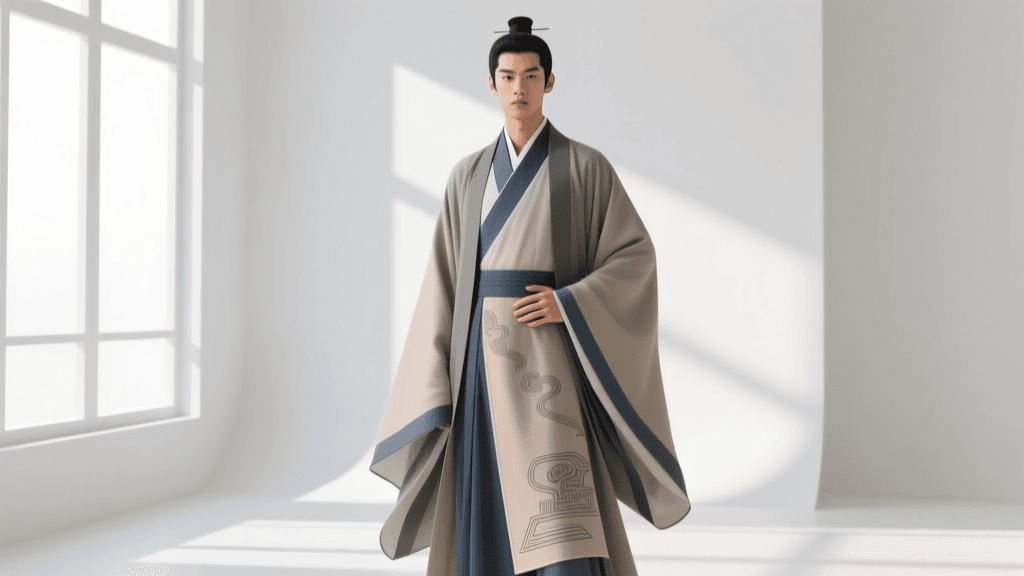
The contemporary Hanfu movement has experienced explosive growth over the last decade, evolving from a niche historical hobby into a mainstream fashion phenomenon. While early social media algorithms heavily favored elaborate, fairy-like womenswear, a robust renaissance of mens and gender-neutral Hanfu is now reshaping the landscape. Today, traditional Chinese garments are no longer confined to historical reenactments; they are dynamic, living fashion statements. For men and non-binary individuals, the intersection of historical accuracy and modern streetwear—often referred to as the New Chinese Style (Xin Zhongshi)—offers a sophisticated, structured, and deeply cultural wardrobe.
According to comprehensive cultural records on the evolution of Hanfu, traditional Chinese clothing has always featured distinct, structured silhouettes that convey dignity, scholarly pursuit, and martial prowess. Moving away from the misconception that traditional dress is exclusively feminine, this guide will walk you through the most versatile mens and unisex Hanfu styles, precise measurement techniques, and actionable styling tips for the modern era.
Core Silhouettes for Mens and Gender-Neutral Wardrobes
When building a masculine or gender-neutral Hanfu wardrobe, structure and historical context are key. The following three silhouettes offer the most versatility for modern wearers.
1. The Feiyu Fu (Flying Fish Robe)
Originally a prestigious uniform granted by the emperor to Ming dynasty imperial guards, the Feiyu Fu is the pinnacle of martial aesthetics in traditional Chinese clothing. As detailed in historical analyses of Feiyu garments, this robe features a structured cross-collar (jiaoling) or round collar (yuanling), often adorned with python-like flying fish motifs. It is typically paired with a Yao Sa, a wide leather sword belt that cinches the waist and broadens the shoulders. Cost: $120–$300 depending on embroidery density. Vibe: Bold, authoritative, and highly structured.
2. The Song Dynasty Beizi (褙子)
The Beizi is the ultimate gender-neutral layering piece. Characterized by its straight cut, open front, and side slits, the Beizi drapes elegantly without requiring complex wrapping or tying. It can be worn over a simple modern t-shirt or a traditional pleated skirt. Its minimalist lines make it incredibly forgiving for various body types, offering a sleek, elongated silhouette. Cost: $50–$150. Vibe: Relaxed, scholarly, and effortlessly unisex.
3. The Ming Dynasty Daopao (道袍)
Do not let the name fool you; while it translates to 'Daoist robe,' the Daopao was the standard daily wear for Ming dynasty scholars and officials. The defining feature of the Daopao is its hidden side panels (anbai), which provide modesty and a beautiful, flowing volume when walking. It features a cross-collar and wide sleeves, making it a spectacular statement piece for gender-neutral fashion. For a deeper dive into the structural tailoring of this era, explore the Ming Dynasty clothing archives. Cost: $80–$200. Vibe: Intellectual, elegant, and flowing.
Sizing and Measurement Guide
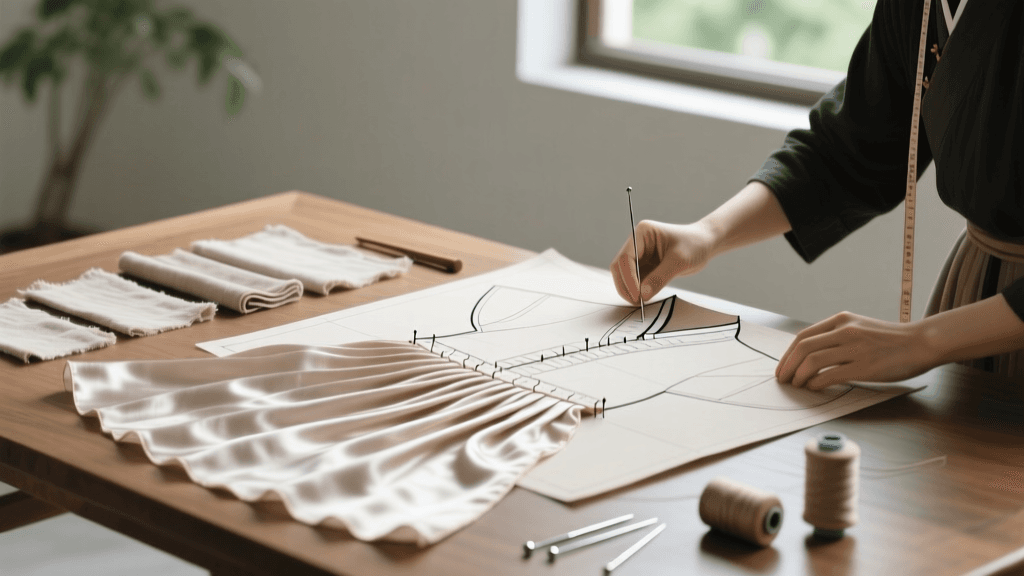
One of the most common pitfalls for international buyers is relying on Western S/M/L sizing. Hanfu is traditionally cut flat and relies on wrap-ties, meaning shoulder seams often drop, and chest measurements must accommodate the overlapping fabric layers. Always measure yourself and compare against the seller's specific size chart.
| Garment Type | Key Measurement | Ideal Fit Guideline | Common Sizing Mistake |
|---|---|---|---|
| Daopao / Scholar Robe | Chest Circumference | Add 10-15cm to your actual chest measurement to allow for the cross-collar overlap and inner layers. | Ordering exact chest size, resulting in a tight wrap that exposes the undergarments. |
| Feiyu Fu / Guard Robe | Shoulder Width | Look for dropped shoulders. The garment's shoulder seam should sit 3-5cm past your natural shoulder bone. | Assuming structured shoulders like a Western suit jacket. |
| Beizi / Open Jacket | Garment Length | For modern unisex styling, aim for a length that hits mid-calf (approx. 110-120cm for a 175cm tall wearer). | Choosing a floor-length Beizi which can easily trip the wearer when paired with modern sneakers. |
| Trousers (Song Ku) | Waist & Inseam | Ensure the waistband is wide and comes with ties. Inseam should be slightly longer to allow for ankle bunching. | Buying tailored lengths; traditional trousers are meant to pool slightly at the ankle. |
Fabric Selection, Costs, and Seasonal Wear
The drape and weight of your Hanfu will dictate how it moves and how it integrates with modern clothing. Selecting the right fabric for the season is crucial for comfort.
- Spring/Summer: Opt for Ramie, washed cotton, or lightweight linen. These fabrics are breathable and offer a slightly crinkled, organic texture that pairs beautifully with minimalist streetwear. Expect to pay $40–$90 for quality linen sets.
- Autumn: Mid-weight cotton-linen blends and raw silk provide excellent temperature regulation. Raw silk offers a subtle, matte sheen that elevates the garment without looking overly theatrical.
- Winter: Wool blends, heavy jacquard, and faux-fur lined collars are essential. A thick jacquard Daopao worn over a modern cashmere sweater provides incredible warmth and a striking textural contrast. Winter sets typically range from $150–$350 due to material costs.
Modern Streetwear Integration (Xin Zhongshi)
The New Chinese Style (Xin Zhongshi) is all about juxtaposition. You do not need to wear head-to-toe historical replicas to honor the culture. Here are three actionable styling formulas for masculine and gender-neutral wearers:
- The Dark Scholar: Pair a navy or charcoal Ming Daopao with a fitted black turtleneck, tailored black trousers, and polished Chelsea boots. The high neck of the turtleneck mirrors the modesty of traditional inner collars while grounding the outfit in modern menswear.
- The Urban Guard: Wear a Feiyu Fu top (tucked in or belted) with dark wash denim jeans and chunky combat boots. Replace the traditional sword belt with a high-quality modern leather belt featuring a minimalist brass buckle.
- The Minimalist Beizi: Layer a solid-colored, mid-length Beizi over a crisp white oversized t-shirt, wide-leg pleated trousers, and retro sneakers (like New Balance or Nike Killshots). This is the most accessible, everyday gender-neutral look.
Navigating the Market: Where to Buy
While international boutiques exist, the most authentic and affordable pieces are found on Taobao. When searching, use specific Mandarin keywords to filter out costume-grade items: 男汉服 (Men's Hanfu), 中性汉服 (Gender-neutral Hanfu), and 明制道袍 (Ming Daopao).
Reputable shops known for excellent tailoring, historical accuracy, and unisex/mens options include Ming Huatang (high-end, museum-quality reproduction), Zhongzheng Hanfu (accessible menswear), and Ting Yue Ge (great for Song dynasty unisex pieces). To purchase from these shops outside of China, utilize a shopping agent like Superbuy or CSSBuy. Factor in an additional $20–$40 for international consolidated shipping, and expect a delivery timeline of 2 to 4 weeks. By understanding the history, mastering the fit, and embracing modern styling, anyone can confidently integrate the profound elegance of traditional Chinese garments into their daily wardrobe.