Mastering Kimono Layering: Seasonal Wear and Kitsuke Guide
The Philosophy of Seasonal Kitsuke
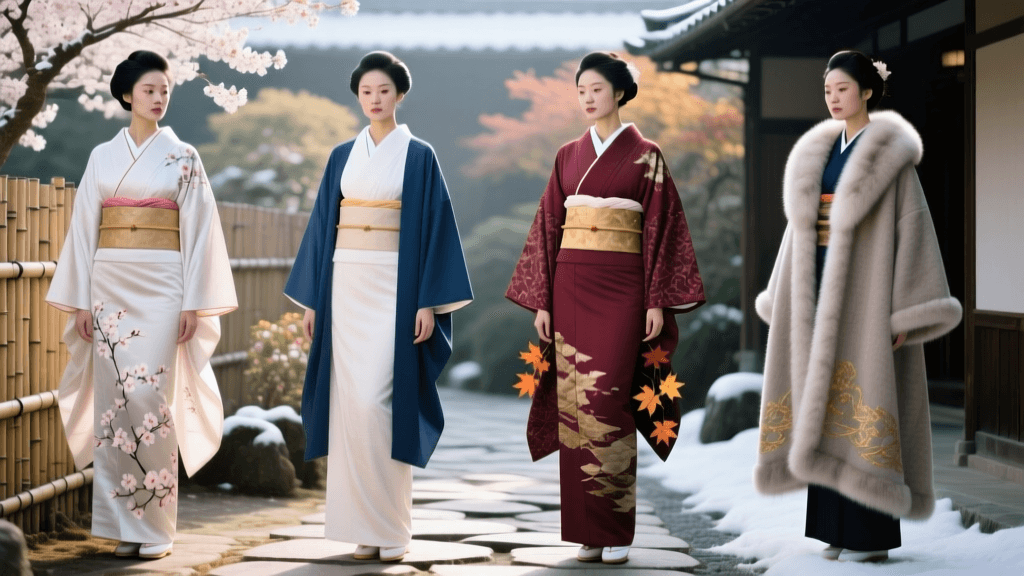
The art of wearing a kimono, known in Japanese as kitsuke, is a profound expression of cultural aesthetics, seasonal awareness, and meticulous craftsmanship. Unlike Western fashion, which often prioritizes rapid trend cycles, traditional Japanese dress is deeply tethered to the natural world and the passing of time. In Japan, the calendar is historically divided into 72 micro-seasons (shichijuni ko), and the kimono wardrobe reflects this granular observation of nature. From the weight of the silk to the motifs embroidered on the collar, every layer must harmonize with the current climate and the subtle shifts in the environment.
According to the Metropolitan Museum of Art, the modern kimono evolved from the kosode (small-sleeved garment) during the Edo period, transforming from a basic undergarment into the primary canvas for Japanese textile arts. As the garment evolved, so did the complex rules of layering, designed not only for visual beauty but for practical thermoregulation across Japan's distinct four seasons. Mastering these layers requires an understanding of both historical precedent and practical dressing techniques.
The Three Primary Kimono Seasons
While the Western calendar recognizes four seasons, the traditional kimono wardrobe operates on three primary wearing seasons, dictated by the presence or absence of lining and the transparency of the weave. Adhering to these seasonal shifts is a hallmark of a refined kimono wearer.
| Season | Months | Kimono Type | Primary Fabrics | Lining |
|---|---|---|---|---|
| Awase | October to May | Lined Kimono | Chirimen (silk crepe), Tsumugi (pongee) | Full silk or synthetic lining |
| Hitoe | June and September | Unlined Kimono | Lightweight silk, linen blends | None (single layer) |
| Usumono | July and August | Sheer Summer Kimono | Ro, Sha, Komon | None (worn with sheer nagajuban) |
The transition between these seasons traditionally occurs on fixed dates: June 1st for the switch to hitoe, July 1st for usumono, and September 1st to return to hitoe. However, modern practitioners often adapt these rules to accommodate actual weather conditions and regional climate variations, prioritizing the wearer's comfort while maintaining the visual illusion of seasonal appropriateness.
The Anatomy of Layering: Base to Outerwear
Proper kitsuke relies on a precise sequence of undergarments that protect the delicate outer silk, absorb moisture, and create the desired cylindrical silhouette.
1. The Base Layer: Hadajuban and Susoyoke
The foundation begins with the hadajuban (a lightweight, short-sleeved undershirt) and the susoyoke (a wrap skirt). These are typically made of breathable cotton or moisture-wicking synthetic blends. The susoyoke protects the kimono from the legs and provides a smooth surface for the outer layers to glide over. Standard measurements for a susoyoke are approximately 60cm in width and 90cm in length, wrapping securely around the hips.
2. The Under-Kimono: Nagajuban and Haneri
Over the base layer sits the nagajuban, an under-kimono that provides structure and prevents the outer silk from touching the skin. The most visible and expressive part of the nagajuban is the haneri (decorative collar). The haneri is a removable fabric piece that is pinned or basted to the nagajuban collar. It is the primary indicator of seasonal awareness at the neckline.
- Winter (Awase): Heavy silk crepe with dense embroidery, such as plum blossoms (ume) or pine needles. Cost: $80–$150 for artisan pieces.
- Spring/Autumn (Hitoe): Medium-weight silk with motifs like cherry blossoms (sakura) or maple leaves (momiji).
- Summer (Usumono): Sheer ro or sha woven silk, or collars adorned with glass beads and cooling blue dyes to evoke a sense of visual coolness. Cost: $40–$90.
The Victoria and Albert Museum notes that the intricate weaving techniques used in summer garments like ro and sha require immense skill, creating a breathable, gauze-like texture that allows air to circulate while maintaining the garment's structural integrity.
Essential Kitsuke Tools and Measurements
Dressing in a kimono requires a specific toolkit to secure the layers without the use of buttons, zippers, or pins. Acquiring a complete beginner's kitsuke kit typically costs between $40 and $80.
- Koshihimo (Waist Ties): Long, narrow cotton or silk cords used to tie the kimono and nagajuban in place. Measurements: 120cm long by 5cm wide. You will need 3 to 5 of these depending on the complexity of the outfit.
- Datejime (Wide Belt): A wide, elastic or silk belt wrapped over the koshihimo to flatten the layers and prepare the torso for the obi. Measurements: 10cm wide by 300cm long.
- Obi-ita (Obi Board): A stiff, rectangular board inserted into the front of the obi to prevent creasing. Measurements: 15cm by 30cm for standard width, or longer for formal wear.
- Obi-makura (Obi Pillow): A small polyurethane cushion used to give volume and shape to the obi knot (musubi) at the back.
- Obijime and Obidome: A decorative braided cord (obijime) tied over the center of the obi, often secured with a small ornamental clasp (obidome). Summer versions are often made of woven straw or glass beads.
Dressing Techniques: The Ohashori and Obi
One of the most critical techniques in kitsuke is the creation of the ohashori—the horizontal fold of fabric at the waist. Because standard kimonos are woven in long, continuous bolts (tanmono) and cut to a uniform length, they are rarely tailored to the exact height of the wearer. Instead, the excess length is folded up at the waist and hidden beneath the obi. A properly executed ohashori should be level, smooth, and approximately 5cm to 7cm thick, creating a flattering, elongated silhouette.
The obi itself is a masterpiece of seasonal adaptation. In the winter and spring, a heavy, brocade Fukuro obi or a patterned Nagoya obi is preferred. During the peak of summer, wearing a heavy brocade is not only physically unbearable but considered a sartorial faux pas. Summer requires a ra or sha woven obi, which features an open, basket-like weave that is semi-transparent and highly breathable.
Practical Guide: Sourcing, Costs, and Timing
For those looking to build a seasonal kimono wardrobe, understanding where and when to source garments is essential. The secondary vintage market is a treasure trove for high-quality silk at a fraction of the cost of new, artisan-made pieces.
Sourcing and Costs
- Vintage Kimono: Excellent condition vintage awase (lined) silk kimonos can be found on specialized online retailers (such as Yamatoku or Chicago Kimono) or auction sites for $50 to $250. Ensure the width from the center back seam to the sleeve edge is at least 64cm to accommodate modern body types.
- New Artisan Pieces: Commissioning a new, hand-dyed Hitoe or Usumono kimono from a traditional craftsperson in Kyoto or Kanazawa can cost anywhere from $2,000 to over $10,000, reflecting the months of labor required for techniques like yuzen dyeing.
- Accessories: Basic cotton koshihimo and datejime can be purchased in sets for under $20. Decorative haneri collars are an affordable way to expand your seasonal wardrobe without buying multiple nagajuban.
Timing Your Purchases
The best time to purchase seasonal garments is just before the season begins or during off-season sales. In Japan, department stores hold major kimono exhibitions in February (for spring/summer previews) and August (for autumn/winter previews). For international buyers, online vintage shops often discount summer ro and sha garments heavily in September, making it the ideal time to acquire high-end summer pieces for the following year.
Conclusion
Mastering the seasonal wear and dressing techniques of the kimono is a lifelong pursuit that bridges the gap between historical preservation and personal expression. As highlighted by the Japan National Tourism Organization, the modern revival of kimono wearing encourages both locals and international enthusiasts to engage with this living tradition. By understanding the intricate layers, respecting the seasonal calendar, and practicing the precise techniques of kitsuke, you do more than wear a garment; you participate in a centuries-old dialogue between humanity, art, and the natural world.