Styling Traditional Kimono and Hakama for Anime Cosplay
The Intersection of Anime and Traditional Japanese Fashion
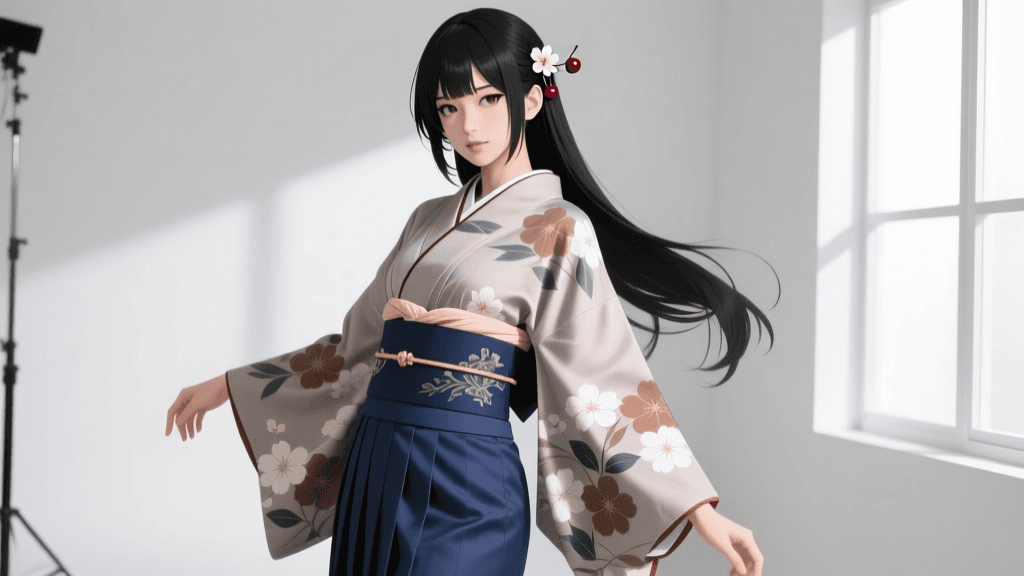
The intersection of traditional Japanese garments and modern anime culture has created one of the most vibrant and visually stunning subgenres in the global cosplay community. From the iconic checkered haori of Tanjiro Kamado in Demon Slayer (Kimetsu no Yaiba) to the intricate, battle-ready hakama worn by the Shinigami in Bleach, manga and anime creators frequently draw upon Japan's rich sartorial history to design memorable character silhouettes. However, translating these two-dimensional designs into three-dimensional, convention-ready outfits requires more than just buying a costume off the internet. It demands an understanding of authentic Japanese clothing structures, proper dressing techniques (kitsuke), and practical modifications for the grueling environment of anime conventions.
According to BBC Culture, the kimono has transcended its geographical borders to become a global fashion icon, heavily influencing modern streetwear, high fashion, and cosplay. For cosplayers aiming for screen-accurate and culturally respectful representations, blending authentic traditional wear with anime aesthetics is both a rewarding challenge and a tribute to Japanese craftsmanship. This guide will walk you through selecting the right base garments, mastering convention mobility, and surviving a ten-hour anime convention in full traditional Japanese attire.
Selecting the Right Base Garments: Silk vs. Synthetics
When sourcing a kimono or hakama for cosplay, the first major decision is fabric choice. Authentic vintage kimono are typically crafted from silk, featuring exquisite hand-painted or woven motifs. While silk offers an unparalleled drape and a luxurious sheen that elevates any cosplay, it is notoriously unforgiving in a convention center environment. Silk stains easily from sweat, requires expensive dry cleaning, and can be ruined by a single spill of ramen or energy drink.
For convention cosplay, high-quality polyester or poly-cotton blends are the superior choice. Modern synthetic kimono, often marketed as 'washable kimono' in Japan, mimic the drape of silk while offering sweat resistance, machine washability, and a fraction of the cost. When cosplaying characters from historical or fantasy anime like Rurouni Kenshin or Fate/Grand Order, a matte polyester crepe provides the perfect historical look without the anxiety of ruining a $500 antique garment.
Understanding Hakama Mechanics for Action Cosplay
The hakama, a pleated skirt-like trouser worn over a kimono, is a staple in action-oriented anime. To cosplay these characters accurately, you must understand the garment's anatomy. A traditional formal hakama features exactly seven deep pleats: five in the front and two in the back. These pleats are held in place by a stiff backboard called the koshiita, which rests just above the wearer's obi (sash).
Many mass-produced 'ninja' or 'samurai' cosplay costumes sold online feature elastic waistbands and shallow, poorly defined pleats. To achieve an authentic anime silhouette, seek out genuine martial arts hakama (such as those used in Aikido or Kendo) or formal menswear hakama. These garments utilize long, woven ties (himo) that must be tied in specific, secure knots around the waist. Learning to tie the front and back himo properly not only ensures your costume stays up during action poses and photoshoots but also honors the traditional martial arts roots of the garment.
Sizing, Measurements, and Convention Mobility
Traditional Japanese clothing is generally constructed from standard-width bolts of fabric (tanmono), meaning the width of a kimono is relatively fixed at around 60 to 65 centimeters per panel. While traditional tailoring adjusts the length to the wearer's exact height, cosplayers often have to buy off-the-rack vintage or synthetic garments. The most critical adjustment for a cosplayer is the ohashori—the fold of excess fabric tucked at the waist to adjust the hemline.
In traditional kitsuke, the hem of the kimono should graze the wearer's ankle bone. However, for an anime convention involving navigating crowded aisles, riding escalators, and climbing stairs, a traditional ankle-length hem is a tripping hazard. Cosplayers should aim for a slightly shorter ohashori, allowing the hem to sit just at the top of the foot, clearing the floor by an inch or two. This modification preserves the aesthetic while vastly improving mobility.
| Fabric Type | Breathability | Convention Suitability | Estimated Cost (USD) | Care Instructions |
|---|---|---|---|---|
| Authentic Silk | High | Low (Stains easily, fragile) | $150 - $800+ | Professional dry clean only |
| Polyester Crepe | Low to Medium | Excellent (Durable, sweat-proof) | $40 - $120 | Machine wash cold, hang dry |
| Cotton / Yukata | High | Great for summer cons | $30 - $90 | Machine wash warm |
| Heavy Canvas (Hakama) | Low | Good (Holds pleats perfectly) | $60 - $150 | Spot clean or gentle wash |
Iconic Anime Styling and Accessories
The true magic of an anime-inspired traditional outfit lies in the accessories and layering. The haori, a traditional hip- or thigh-length jacket worn over the kimono, is arguably the most recognizable garment in modern anime fashion. Whether it is the Demon Slayer Corps uniform or the intricate crests of a fantasy clan, the haori adds dynamic movement and a canvas for character-specific iconography. When sourcing a haori, ensure the sleeve openings (sodeguchi) are left open, as sewing them shut is a common mistake made by Western costume manufacturers that ruins the garment's authentic drape.
Footwear is another area where anime cosplayers must blend tradition with modern ergonomics. Traditional zori (sandals) and geta (wooden clogs) are worn with tabi (split-toe socks). Walking on concrete convention center floors in thin-soled zori for eight hours will lead to severe foot fatigue. The practical solution is to purchase modern tabi boots (such as those by Sou-Sou or Nike's ISPO adaptations) or insert gel cushions into the thong area of traditional zori. This maintains the visual accuracy of the split-toe aesthetic while providing the arch support necessary for a full day of cosplaying.
The Golden Rule of Kitsuke: Left Over Right
If there is one absolute, non-negotiable rule when dressing in a kimono for cosplay, it is the direction of the collar. According to The Metropolitan Museum of Art, the strict codification of kimono dressing dictates that the left side of the garment must always be wrapped over the right side. Wrapping the right side over the left is exclusively reserved for dressing the deceased for burial.
"Always remember: Left over Right. If you can shake hands with your right hand while holding your collar closed, you are wearing it correctly. Right over left is a cultural taboo that will immediately signal to knowledgeable observers that the garment is being worn incorrectly."
Anime character designers occasionally break this rule for stylistic reasons or to denote a character's rebellious, otherworldly, or demonic nature. However, unless you are specifically cosplaying a character whose lore explicitly relies on this funerary motif, it is highly recommended to adhere to the traditional left-over-right rule to show respect for the culture from which the garment originates.
The Cosplayer's Convention Survival Kit
Wearing traditional Japanese garments requires a network of hidden ties, clips, and padding that can easily come undone during the physical exertion of a convention. To prevent a wardrobe malfunction, every kimono cosplayer should carry a specialized survival kit:
- Kimono Tape (Double-Sided Fabric Tape): Essential for securing the eri (collar) flat against the chest and keeping the ohashori fold from slipping.
- Koshihimo (Tying Cords): Bring at least three extra long, soft cotton cords. These are the unseen workhorses that hold the kimono and hakama tightly to the body.
- Obiita (Obi Board): A stiff board inserted into the obi to prevent it from wrinkling when tied. If you are doing an anime-style corset obi, a flexible plastic obiita is crucial for maintaining the structural integrity of the sash.
- Cooling Wipes and Portable Fan: The multiple layers of kimono, juban (undergarment), and hakama trap body heat. Menthol cooling wipes applied to the back of the neck and wrists are a lifesaver in crowded artist alleys.
- Safety Pins (Matte Black): For emergency hakama pleat repairs or securing a slipping haori collar out of sight.
Cultural Appreciation in the Cosplay Community
Cosplaying in traditional garments requires a delicate balance between creative expression and cultural respect. The global popularity of anime has introduced millions to the beauty of Japanese textiles, but it is vital to approach these garments with an understanding of their historical weight. Taking the time to learn authentic knots, understanding the symbolism of seasonal motifs (like cherry blossoms for spring or maple leaves for autumn), and treating the garments with care transforms a simple costume into an act of cultural appreciation.
By investing in proper base garments, respecting the foundational rules of kitsuke, and adapting the attire thoughtfully for the modern convention environment, cosplayers can pay a beautiful, dynamic homage to both the legendary anime characters they love and the centuries-old Japanese textile traditions that inspired them.